Practicing Your Profession

For much of my life I was a practicing pharmacist. Each day I would draw on myMH900321056 professional experience and use every tidbit of education to make appropriate clinical decisions. Like so many other professionals, I was doing the work I was trained to do and loved every minute of it. I was also secure in the knowledge that I was very good at what I did and was making a difference in people’s lives.

So why did it rub me wrong when others would jokingly ask, “Practicing, huh? When do you think you’ll get it right?”

I laughed at the jokes but inwardly seethed. How could someone mock that by MH900150563which I defined myself? One day, though, I took a mental step back to analyze that old joke. Was I any different in how I managed my career than the physician to whom I trusted my health?  After all, he “practiced” medicine.  Absurdly, I wondered, “Does he practice on me, maybe to get it right later with another patient?”

One summer in my youth I practiced getting better at baseball. I was never very good, but that summer I managed to hit consistently two out of three pitches. Was my doctor getting it right two-thirds of the time? Was I one of the lucky two?

That kind of success rate in my pharmacy practice wouldn’t win me any fans. If I managed to get the right drug to the right person only two out of three times, all I’d gain would be stack of lawsuits.

Why are many health professions called a PRACTICE? If I went to my financial advisor and asked if he were practicing his profession, he’d probably say, “I do better than practice. I try to get it right every time.”

Is his profession any more exacting than pharmacy or medicine? He doesn’t always get my investments right. Sometimes we win and sometimes we lose, and then I take a tax loss. In pharmacy, however, when you lose, there’s no tax loss. The results are often life threatening.

Eventually, I decided that the beauty of PRACTICING your profession is to always get better at it. Most people are good at their jobs and mistakes happen only rarely. I might get upset if my financial advisor makes a less than perfect judgment about my investments, but at the end of the day life still goes on.

When I practiced pharmacy, it was intense stuff: clinical trials, intravenous therapies and life or death situations. If I had made less than perfect judgments regarding those therapies, there was the real possibility that someone would end up dead. There was no “Oops, I’ll do better next time.”

The wisdom in understanding why some professions are called PRACTICES and others are known as WORK or ART is this.

My work as a novelist is an expression of art; but if I don’t get the story right theMH900262322 first time, it’s not a problem. No one dies; no one has a funeral (except maybe for one of my characters). I always get a “do-over.” Writers are lucky that way, except when the rewrites and edits go on and on—but that’s another whole blog.

The point is that it takes practice to be good enough at something to make a decent living at it. I’ve read that it takes 10,000 hours to really be good at something. I had a friend guest blog about that once (see here). It seems that 10,000 hours of “practice”—about five years if that’s all you’re doing—is what it takes to be really good at something.

So I guess we all practice our professions when we continue to work to get better at our jobs. I practiced pharmacy for a great many years and was very good at it, but I also practice my writing everyday now to get better.

PrintLeathal Medicine CoverThe five-star reviews of my last two books tell me that I must be doing something right as an author.

In the end, as much as I liked pharmacy practice, I love writing even more. Whatever it is you want to accomplish, practice to be better than you were yesterday and you’ll wind up getting five-star reviews in whatever you do.

Thoughts? Comments? I’d love to hear them!

Posted in 000 Hour Rule, About James J. Murray, About Writing, Accuracy in Writing, Achieving Perfection, Achieving Writing Perfection, All About Writing, Almost Dead, Better Fiction Writing, Blog Writers, Blogging, Developing Writing Skills, James J. Murray Blog, Lethal Medicine-The Novel, Mastering Your Craft, Practice Makes Perfect, Practicing Your Profession, Prescription For Murder Blog, The Art of Storytelling, The Art of Writing | Tagged , , , , , , , , , , , , , , , , | 3 Comments

A Book Hangover!

 This past weekend I read a great book and I have a book hangover!

I’ve experienced such an event many times in the past, but I’ve never attempted to write about it. So . . . I googled the words “book hangover” to make sure I had accurate information before confessing to such emotions.

I soon realized that there are many types of hangovers that don’t involve alcoholIMG_0523 or any other substance abuse, but the effects can be just as unpleasant; and a book hangover is only one of many that can make a person feel as if they’re in a boat without a rudder in an ocean of waves.

A book hangover is defined as the condition one experiences when finishing a book causes a psychological effect—either good or bad—resulting in the person wanting to remain emotionally immersed in the story.

It usually lasts from a few hours up to a couple of weeks, depending on the severity of the emotional response, usually psychological distress, resulting from reading that last page. The cure is often one of two things: 1) replacing that loss with a book of higher quality to erase the distress, or 2) “time heals all.”

The usual symptoms can be quite severe—crying, irritability, anger, inability to express those feelings to loved ones or the opposite effect of an irrational elation c8be543a2ad84aa8ea0aac40c32f754ethat colors the world around you and everything you do. The primary result of a book hangover, however, is the inability to pick up another book. Starting to read another book can seem like a betrayal of either the author, the characters that you emotionally connected with so well, or both.

That’s where I am today! I liked how the author treated the subject matter so much that I want to savor that experience and carry it with me a little longer before washing it out of my brain.

I usually write during weekdays but read on the weekends, and I always have another offering in my “book pipeline” that’s next on my reading list. I must admit that I don’t want to read anything else at present! Maybe time will remove the feeling and, by the weekend, I’ll be ready to pick up that next book on my “to read” shelf and dig right in. Right now, however, I can’t commit to that.

I’m even having trouble getting back to my writing. I was supposed to continue the editing on my next novel that’s coming out this summer—the sequel to my Lethal Medicine thriller—but I simply had to finish reading this book first and now I can’t seem to extricate it from my mind.

So what was this book that intrigued me so much? The events leading up to reading this book actually started about a month ago when my wife finished Inside the O’Briens written by Lisa Genova. My wife praised the book and said that I might enjoy it. I read it and certainly did enjoy it . . . so much so that I ordered another one of Ms. Genova’s books, Still Alice.

Still Alice is the book that’s left me with such a hangover. Ms. Genova’s fictionalenhanced-12177-1397760504-26 treatment of a very real, extremely devastating disease that ruins not only the lives of patients but the family and friends around them. The plot involves a person navigating the progression of early onset Alzheimer’s disease and the emotional connection the author achieves with her readers is stunning. That’s not only my opinion but it stems from the many glowing reviews this book has received.
I must admit that I might have been a bit more invested in the characters since I have a friend who is a caregiver to both of her parents who have Alzheimer’s disease. This friend is writing a book that guides caregivers to a better understanding of how to deal with the extensive issues involved in managing loved ones who slowly become mental shells of what they once were. I’m offering some editorial and composition support to her book project and possibly that’s a major contributing factor why I can’t get this book “out of my head.”

At any rate, I loved the book and this author’s writings. I suppose the best thing I can do now is get right back on that proverbial horse and find another book that intrigues me—possibly an epic thriller may be just the hangover remedy I need at this point. Any suggestions?

Thoughts? Comments? I’d love to hear them!

*********************************************

~ ALMOST DEAD ~

Almost Dead_3d PhotoMy 2nd Novel is NOW AVAILABLE in PAPERBACK as well as eBook!

Order it here: http://www.amazon.com/dp/B01AEU2RAG

Posted in About James J. Murray, About Writing, Achieving Writing Perfection, All About Writing, Almost Dead, Better Fiction Writing, Blog Writers, Blogging, Book Hangover, Character Driven Writing, Connecting With Your Reader, Developing a Writing Career, Developing Better Writing Skills, Developing Writing Skills, Good Books Create Emotions, Growing As A Writer, James J. Murray Blog, New Book Release, Plot Development, Proper Use of the Written Word, The Art of Storytelling, The Art of Writing, The Writings of James J. Murray, Writing Skills, Your Favorite Book, Your Last Book Hangover? | Tagged , , , , , , , , , , , , , , , , , , , , , | 1 Comment

Mysteries vs Thrillers

A few years ago, mysteries were the hot genre. It seemed as if everyone was reading aMH900427785 mystery novel. The thrill of guessing “Who done it!” was the excitement that kept me, and many others, reading book after book.

More recently, however, thrillers make up a greater portion of the bestseller lists. The passion for solving the puzzle of a mystery, even a murder mystery, is taking second place to the thrill of the chase between the protagonist and the antagonist. It seems as if no one is immune to the adrenaline rush of an excellent thriller!

This evolution is subtle but the psychology behind the shift is not. In order to fully explain this, allow me to take a step back and explain the basic differences in these genres.

A Mystery Novel:  These stories involve a puzzle, a specific unknown that the reader MH900385446isn’t expected to know about until the end. Mysteries are often more cerebral and are considered works of revelation. There’s more mental action than physical in a mystery. The primary action (or crime) has already occurred, so the element of suspense is not necessarily the main focus of the novel. The focus is in solving the puzzle.

A Thriller Novel:  These stories involve intrigue and action. A catastrophic event may have happened, as in a mystery, but a thriller differs in that the event triggers the possibility of an even greater catastrophe. In a thriller, the protagonist’s job is to prevent further calamity.

If the above explanation is about as clear as mud, then let me dig a little deeper. Various charts have been developed that characterize these types of novels as follows:

Mysteries ═►Suspense Novels ═►Thrillers

The main difference is in the delivery of suspense. Mysteries let the reader know up front that something bad has happened, but the reader doesn’t know who the villain is. The reader must plow through to the end of the book, or be very clever at identifying the clues along the way, to find out who the antagonist is. The mystery of “Who done it!” is not revealed until the end.

In a thriller, however, the writer is appealing to the emotions of the reader who yearnsMH900443241 for excitement. Thriller plots create a desire to confront extreme danger and defeat nasty villains. This differs from a mystery in that the reader is informed at some point early on who the villains are.

The thrill does not revolve around solving the mystery because we already know who the bad guys are. The excitement is the heightened emotions brought on by the chase—the literary dance that happens between the hero and the villain when you’re not really certain who will win.

It’s been said that the threat from an unknown source is never as great as a known, villainous danger. There’s much more suspense when we know what our hero is up against but can’t quite figure out how the hero will either survive, eliminate a specific threat or save the world. The key word here is SUSPENSE. It’s both the link and the difference between mysteries and thrillers.

Signature-baed3687aecc9fc02b05e033f52ab04b5ac34144c6f0702c4e0cfe36f9d34041A mystery may have a degree of suspense, but the story progresses logically toward a resolution of the puzzle and this stimulates the mind. A thriller, on the other hand, stimulates the senses as well. The emotional rush of apprehension and exhilaration imbedded within the plot of a thriller drive the narrative at a constant, and at times a breakneck, pace. The SUSPENSE is heightened by the known threat of the villain and his/her unexpected actions.

Often the difference between a mystery novel and a thriller is in the presentation of the characters. In a thriller, the villain drives the story, whereas in a mystery, the protagonist drives the story. It’s an interesting explanation that brings me back to the idea that it’s the degree of SUSPENSE that distinguishes these genres.

SUSPENSE happens when the protagonist is in danger. In a pure suspense genre novel, the protagonist becomes aware of the danger only gradually and the suspense builds slowly as the story unfolds. Thus, the relationship among the mystery, suspense and thriller genres become somewhat blurred.

But the basic premise of protagonist danger and degree of suspense defines what genre a book falls into. In mysteries, the main character is occupied with tracking down the truth about an event, often a murder, but the protagonist is in relatively little danger. In thrillers, however, the protagonist is often in danger from the onset or is placed in jeopardy by his actions and/or that of the antagonist.

So, which are my favorites?

Thoughts? Comments? I’d love to hear them!

******************************************************

~ ALMOST DEAD ~Almost Dead_3d Photo
My Second Novel is NOW AVAILABLE in PAPERBACK!

Order it here: http://www.amazon.com/dp/B01AEU2RAG

Posted in A Mystery Novel, A Thriller Novel, About James J. Murray, About Writing, Accuracy in Writing, Achieving Writing Perfection, Adrenaline Rush, All About Writing, Better Fiction Writing, Blog Writers, Blogging, Character Driven Writing, Designing Murder Plots, Developing Better Writing Skills, Developing Story Arcs, Developing Story Plots, Developing Storyline Ideas, Developing Writing Skills, Difference Between Mysteries and Thrillers, Growing As A Writer, James J. Murray Blog, Mysteries and Thrillers Compared, Mysteries Vs Thrillers, New Blog, Plotting Murder Scenes, Prescription For Murder Blog, Proper Use of the Written Word, Role of Suspense in Mysteries, Role of Suspense in Thrillers, Story Development, The Art of Storytelling, The Art of Writing, The Writings of James J. Murray, Tools of Fiction Writing, Writing Skills, Writing Techniques | Tagged , , , , , , , , , , , , , , , , , , , , | 5 Comments

Super Bugs = Super Killers

We perceive bacterial infections to be little more than a nuisance—with the simple fix of taking an antibiotic for a few days and we’re back to feeling one hundred percent.MH900430501 Fortunately, that’s often the case.

Certain bacteria, however, are resistant to many commonly used antibiotics and that makes these little bugs much more ominous. When infectious bacteria become resistant to treatment, they’re labeled as SUPERBUGS.

The SUPERBUG phenomenon occurs with overuse or improper use of antibiotic MH900407492therapy. Simple infections of the skin, urinary tract, ear and lungs are becoming increasingly more stubborn to cure and often require stronger antibiotics than in the past. Sometimes, the infections require combinations of antibiotic drugs.

New strains of the best-known superbug, MRSA (Methicillin-Resistant Staph Aureus), are attacking people outside of health care facilities and causing very aggressive infections that are difficult to cure.

The U.S. Centers for Disease Control and Prevention (the CDC) estimates that MRSA cause serious infections in over 82,000 patients per year and kill over 11,000 of them. It has been noted that the elderly population are the most susceptible to contracting a superbug.

A recent study suggests that up to 25% of senior citizens discharged from a hospital or other institutional health care facility leave with more germs on them than they had before entering the facility. The study also identified that seniors who go into a nursing home or other post-acute care facility continue to acquire new superbugs during their stay.

So just how have we allowed these tiny organisms to get stronger and become so difficult to battle? The simple answer is that we’ve saturated our environment with antibiotics, the same amazing drugs that were created to fight bacterial infections. And it’s not just healthcare professionals who are to blame.

While over 7 million pounds of antibiotics are sold for human use each year, over 29MH900144424 million pounds are sold for use in food animals. Experts argue that animal injections or adding antibiotics to feed stock represent a gross overuse of antibiotic drugs and that this makes the drugs less likely to work when we need them to battle infections in the human population.

Bacteria exist in astronomical numbers in our environment. They reproduce rapidly and evolve readily to pass on genetic traits—including antibiotic resistance—to succeeding generations as well as to other bacteria. The more often bacteria encounter antibiotics, the more readily they cultivate hardier versions of themselves capable of overcoming a drug attack.

Researchers tell us that there are several actions that can be taken to minimize bacterial antibiotic resistance:

MH900401001Ask your doctor to prescribe an antibiotic only if it’s absolutely necessary. Inappropriate prescription use for simple coughs and colds are the number one problem area with antibiotic use. Medical professionals estimate that only one in five infections require antibiotics. The great majority of infections are due to viruses, not bacteria, and an antibiotic is ineffective against viruses.

When an antibiotic is appropriately prescribed, take all the medication—even if you feel better. In that way, the drug will completely eradicate the offending bacteria rather than merely weakening the organisms.

Consider buying meat raised without antibiotic use. Experts agree that fewer antibiotics in food animals will slow the development of resistant bacteria.

Use simple soap and water frequently to clean hands rather than an antibacterial soap or cleanser. Just as with animal feeds, the use of antibiotics in cleansers can foster the emergence of resistant bacteria.

Increased casual use of antibiotics is a global phenomenon, and it causes a greater degree of bacterial resistance to available antibiotic therapies.

SUPERBUGS are on the rise! The simple solution is to remove indiscriminate use of antibiotics from our environment. That’s a responsibility our government, agricultural and healthcare professionals must shoulder. But we, as individuals, must share some of that responsibility also.

Thoughts? Comments? I’d love to hear them!

Posted in About James J. Murray, About Medications/Pharmacy, Antibiotic Overuse, Antibiotic Resistance, Antibiotic Resistant Bacteria, Antibiotics in Agriculture, Blog Writers, Blogging, CDC Plan to Prevent Superbugs, Drug Resistant Bacteria, Lethal Bacteria, MRSA, MRSA Research, Multi-Drug Resistant Bacteria, Murder Mayhem and Medicine, New Blog, Over-Prescribing of Antibiotics, Patient Therapy Compliance Issues, Patient Therapy Outcomes, Pharmacy/Pharmaceuticals, Prescription For Murder Blog, Prescription Prescribing Practices, Superbug Epidemic, Superbugs, The Pharmacy Profession, The Practice of Pharmacy | Tagged , , , , , , , , , , , , , , , , , , , , , , , , , | 3 Comments

Mad As A Hatter!

More than 200 years ago, hat making was a profitable business, but it could skull-30511__180also be a deadly one!

The furs used to make felt hats were dipped in a preservative made with mercury nitrate solutions. The soaking also helped soften the animal hairs. Unfortunately, workers in the felt industry constantly absorbed mercury through their skin.

The resulting mercury poisoning exhibited as severe shaking and slurred speech, andhatter this became known as the “Hatter’s Disease.” This condition is believed to have inspired Lewis Carroll to introduce the Mad Hatter character in his work Alice in Wonderland.

Mercury exists in three chemical forms: elemental mercury, methylmercury and mercury compounds. Each has a specific effect on human health.

In the modern world, the methylmercury form is the one that we most fear, is the most toxic and which has been reported extensively as the toxin that is present in many fish.

Because of industrial pollution in our rivers, lake and oceans with mercury-containing fish-234677__180wastes from factories, fish absorb the elemental form and, through a biological process involving the bacteria present in fish, they transform elemental mercury into the more toxic compound known as methylmercury. It’s this toxic component that makes its way up the fish food chain and eventually to our dinner tables.

But there is an even more lethal form of mercury, dimethylmercury, a synthetic (man-made) compound. It’s used in the research industry as a reference material in certain chemical analysis procedures. Attaching an additional methyl group to methylmercury creates dimethylmercury, and this process transforms a toxic substance into a lethal one, making dimethylmercury an extremely potent neurotoxin.

So, it would seem that we’ve come full circle from the “Hatter’s Disease” of the past to another potentially lethal, present-day mercury toxin. Dimethymercury is part of the laboratory analysis process in some spectroscopy procedures and in 1996 a professor of chemistry at Dartmouth College, New Hampshire, was testing the effects of heavy metals on organisms.

She was using dimethylmercury as a reference material when she accidentally spilled a couple of drops of it onto the back of her gloved hand. Despite aggressive therapy, this laboratory worker exhibited severe neurological symptoms. Her condition deteriorated rapidly and she died less than eight months later.

Dimethylmercury is a colorless liquid at room temperature and has a faint sweet smell. Itlaboratory-313862__180 is rapidly absorbed through the skin and a lethal dose has been determined to be less than 0.1ml (about 1-2 drops). The chemical also is absorbed through most plastic and rubber glove materials, so extreme caution is required when handling dimethylmercury.

This chemical is also rapidly and completely absorbed through the GI and respiratory tracts. Since the chemical is highly vaporous (it begins to transform into a gas at warmer room temperatures), poisoning via inhalation or ingestion is especially lethal.

In the recent past, dimethylmercury has been used as the poison of choice in a couple of TV murder mysteries—and with good reason. It is stocked in several types of laboratories, is available for purchase on the Internet and is extremely lethal.

Dimethylmercury is said to be one of the most potent neurotoxins known to man because it readily crosses the blood-brain barrier by combining with the amino acid laboratory-313864__180cysteine. After exposure via the skin, inhalation or ingestion, minute amounts of the chemical begin its slow kill process by affecting the immune system, altering the body’s enzyme systems and irrevocably damaging the nervous system.

The initial symptoms of exposure to this toxic chemical include abdominal pain, progressive and significant weight loss, loss of balance and slurred speech. There is eventual progression, after several months, to a vegetative state and death.

A single exposure to a couple of drops of the pure chemical will cause a person’s mercury level to soar to 80 times the toxic threshold. And aggressive therapies, such as heavy metal chelation, appear to be ineffective in stopping the progression to death.

So if your murder plot allows for a slow but dramatic advancement to death, this toxic chemical might be the perfect murder weapon. But be warned! Have your villain handle the product with heavy-duty neoprene gloves to prevent his or her accidental poisoning in the process.

Thoughts? Comments? I’d love to hear them!

Posted in A How To Blog on Murder Plot Ideas, A How To Blog on Murder Weapons, About James J. Murray, About Murder, All About Murder, Blog Writers, Blogging, Bloodless Death Scene Writing, Bloodless Death Scenes, Chemical Poisons, Chemical Weapons Discussions, Chemicals Used For Murder, Contact Poisons, Designing Murder Plots, Dimethylmercury, Dimethylmercury as a Potent Neurotoxin, Dimethylmercury is Lethal, Dimethylmercury Poisoning, Dramatic Murder Weapons, Hatter's Disease, How To Write A BloodLess Murder Scene, Ideas for Murder Scenes, Interesting Murder Weapons, James J. Murray Blog, Killing a Villain in a Novel, Killing Off Characters in Writing, Killing Off Characters in Your Novel, Lethal Chemical Poisons, Lethal Chemicals in Murder Mysteries, Mercury Poisoning, Murder Weapons Discussed, Murder With Dimethylmercury, Murder with Neurotoxins, Neurotoxin Poisons, Neurotoxins, Neurotoxins and Murder, New Blog, New Methods To Kill Characters in Your Novel, Plotting Interesting Murder Scenes, Poisons and Murder, Poisons Used For Murder, Prescription For Murder Blog, The Science of Murder, Tools of Murder, Unique Murder Plots, Unique Murder Weapons, Ways To Kill, Ways to Murder, Writing Death Scenes | Tagged , , , , , , , , , , , , , , , , , , , , , , , , , , , | Leave a comment

LADY KILLERS’ PHARMACEUTICALS

 ~ Female Murderers are the Exception! ~

That’s what I found out when an author friend asked me to guest blog on her “Profiles of Murder” blog site this week.

Diane Kratz Bio PictureDiane Kratz is a crime fiction writer who holds three degrees in social work and writes fascinating blogs about murderers and their motivations. She became interested specifically in female murderers and the types of weapons they use to kill, and contacted me for further information.
It turned out to be an interview and some remarkable statistics about female killers turned up in my research as a result. Click here for Diane’s interview of me and what I discovered about more feminine methods of murder.

While you’re on Diane’s blog site reading my interview, please take advantage of a SPECIAL FREE OFFER that I’ve made available to you for the remainder of the week. 12799306_10207834735121923_9192255531011488125_nIt’s a great way to download my five-star debut novel.

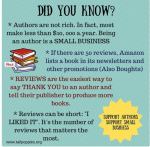
And remember to post a review if you like the books you read—whether it’s my novels or those of other authors. Authors thrive and survive on downloads, purchases and REVIEWS.

All the best to you for continuing to support my blogs and my novels, and a BIG THANK YOU to Diane Kratz for inviting me to share her blog site this week!

Posted in A Diane Kratz Interview, A Guest Blog, A How To Blog on Murder Plot Ideas, A Thriller Novel, About James J. Murray, About Medications/Pharmacy, About Murder, Acute Poisons, All About Murder, Blog Interviews, Blog Writers, Blogging, Bloodless Death Scene Writing, Bloodless Death Scenes, Chemical Poisons, Chemicals Used For Murder, Deadly Drugs in America, Designing Murder Plots, Developing Story Plots, Developing Storyline Ideas, Dramatic Murder Weapons, Drug Poisoning, Drugs For Murder Plots, Drugs Used For Murder, Free Book Downloads, Guest Blogging, Ideas for Murder Scenes, Instruments of Death, James J. Murray Blog, Killing a Villain in a Novel, Killing Off Characters in Writing, Killing Off Characters in Your Novel, Lethal Agents and Murder, Methods of Murder, Murder Mayhem and Medicine, Murder Weapons Discussed, Murder With Drugs, New Blog, Pharmacy/Pharmaceuticals, Plotting Interesting Murder Scenes, Prescription For Murder Blog, Profiles of Murder Blog, Published Novel by James J Murray, The Psychology of Murder, Tools of Murder, Unique Lethal Compounds, Unique Murder Plots, Unique Murder Weapons, Writing Death Scenes | Tagged , , , , , , , , , , , , , , , , , , , , , , , | 4 Comments

Hydrofluoric Acid – The Flesh Eater

Last week’s blog was about an interesting acid that’s corrosive enough to destroy DNA evidence. A whimsical Facebook post—as a joke—by one of my friends regarding “how to get rid of the body in the basement” made me think of another dangerous chemical—another acid—that I’d like to discuss today.

Hydrofluoric acid is a colorless liquid that mixes readily in other fluids. It’s highly Hydrofluoriccaustic and is classified as an acute poison that immediately begins to degrade tissue on contact. Although literature states that hydrofluoric acid probably isn’t strong enough to completely destroy DNA, it will eat away human flesh and most likely damage DNA beyond current identification standards.

If you were a fan of the Breaking Bad TV series, you might remember that this was the acid that Jesse Pinkman used to dissolve a body in his bathtub, the tub that eventually was dissolved by this acid and came crashing through the ceiling.

Ironically, when hydrofluoric acid comes into contact with skin, it initially causes painless burns. Several hours after exposure, however—even after washing the skin—deep, irreversible and painful damage can result and tissue death follows shortly after.

But the damage doesn’t stop at the skin’s surface. After contact, the acid interrupts the body’s calcium metabolism and causes systemic toxicity. As the body’s calcium balance is further disturbed, systemic calcium metabolism is halted. This can lead to cardiac arrest and death. And it doesn’t take much to create this cascading lethal effect. As little as 25 square inches (a 5”x5” area) of affected skin can lead to death.

For example, a drink laden with hydrofluoric acid spilled on someone’s clothing could beMH900425314 considered accidental and easily forgotten. But over a period of a few hours, the person’s skin would begin to dissolve, calcium metabolism would be disrupted and the person could die from a heart attack.

It’s easy to see how this acid could be an intriguing method of killing off a character in your novel and still not have it link back to the murderer since visible damage may not appear until hours after exposure.

As one might expect, the degree of tissue damage and the resulting lethal effects of this acid depend on the amount used, the route of administration, and the length of exposure time.

CB011723For instance, if this acid were added to someone’s eye drops or a nasal spray, the systemic damage would be accelerated due to the greater absorption rate of the acid into ocular tissue and mucous membranes.

If used as a nasal spray, lung tissue damage is assured. Lung tissue swelling and fluid accumulation could cause an irreversible pulmonary edema and the victim would essentially drown in his or her own fluids—thereby allowing a writer to create a rather dramatic murder scene.

Swallowing a small amount of highly concentrated hydrofluoric acid will cause major organ damage and, more often than not, result in a painful death.

Furthermore, if the person suspects that he or she has been poisoned and vomiting is induced, then tissue damage is enhanced throughout the upper GI tract. This results in even greater absorption of the chemical into mucosal tissue and a more effective shutdown of systemic calcium metabolism. In short, the end result of induced vomiting is a more rapid advancement to cardiac arrest.

One of the reasons this poison would make such a great murder weapon is12942198-auto-parts--automotive-engine-clutch-isolated-on-white-with-clipping-path that hydrofluoric acid is readily available in auto parts stores. It’s one of the main ingredients in aluminum wheel cleaners.

Hydrofluoric acid has been used for centuries to etch patterns into glass and ceramics as well as to extract chemicals from rocks. In more recent times, the acid is used to prepare wafers that become silicon chips in electronic devices.

I have not yet had the chance to use this interesting chemical as a murder weapon in one of my novels, but the possibilities are intriguing and as numerous as the routes of administration for this versatile poison.

Thoughts? Comments? I’d love to hear them

*************************************************************************

FIND MY BOOKS AT THE FOLLOWING SITES:

Amazon            iBooks/iTunesLeathal Medicine Cover

B&N/Nook            Kobo

Smashwords

Almost Dead – #7 on Amazon last week in Medical Mysteries

Posted in A How To Blog on Murder Plot Ideas, A How To Blog on Murder Weapons, About James J. Murray, About Murder, About Writing, All About Murder, Blog Writers, Blogging, Bloodless Death Scene Writing, Bloodless Death Scenes, Breaking Bad Acids, Breaking Bad Poisons, Chemical Poisons, Chemicals Used For Murder, Difficult to Solve Murders, Dramatic Murder Weapons, Flesh Eating Acids, How To Write A BloodLess Murder Scene, Hydrofluoric Acid, Hydrofluoric Acid and Murder, Ideas for Murder Scenes, Interesting Murder Weapons, James J. Murray Blog, Killing a Villain in a Novel, Killing Off Characters in Your Novel, Lethal Chemical Poisons, Murder Mayhem and Medicine, Murder Weapons, New Blog, New Methods of Murder, Plotting Interesting Murder Scenes, The Science of Murder, Tools of Murder, Unique Murder Weapons, Ways to Murder, Writing Dramatic Murder Scenes | Tagged , , , , , , , , , , , , , , , , , , , , , , , , , , | 4 Comments

Perchloric Acid – A Versatile Murder Weapon!

Unique lethal compounds fascinate me and, as a medical thriller writer, I’m constantly onkylsans-chemicals the search for new methods of murder. Today, I’d like to discuss a most interesting chemical—perchloric acid. It has deadly potential in a number of ways and should be of interest to a variety of writers because of its versatility.

Perchloric acid is usually found as a water-based solution. It is colorless and odorless, but extremely deadly. Because of its industrial use to etch chrome and crystal displays, it’s readily available on the Internet.

It is somewhat regulated, however, since it is also used to make rocket fuel; but someone rocket8with a little knowledge of chemistry can synthesize it by reacting sodium perchlorate with hydrochloric acid. Sodium perchlorate is used in standard laboratories to extract DNA; and hydrochloric acid, commonly known in the plumbing industry as muriatic acid, is used to clear clogged drains.

As a murder weapon, perchloric acid’s obvious potential is that it’s a strong acid. Actually, it’s classified as a superacid—that means perchloric acid is more acidic than 100% pure sulfuric acid. Upon contact with skin, eyes, or mucous membranes, this acid causes severe burns and tissue destruction. The villain in your murder plot will have to handle perchloric acid with neoprene gloves and use chemical goggles, a face shield and a rubber apron for protection from accidental spills. And the chemical should be stored in either glass or porcelain containers.

What is most fascinating about perchloric acid is that it’s a powerful oxidizer. This substance, while not necessarily combustible in itself, yields enough oxygenformualtion molecules when heated to cause fires and even explosions. When heated rapidly, such as with an incendiary device, perchloric acid reacts violently (often explosively) to oxidize paper, wood, metals such as copper and brass, and clothing. Clothing materials include nylon, polyester, cotton and wool.

Thus, perchloric acid could be the basis for a rather dramatic scene of personal or large-scale explosive destruction with residual intense fire. It would be like having several open oxygen canisters near an open flame.

dna_crimeAnother interesting advantage of using perchloric acid as a weapon is its potential to destroy DNA evidence. Because of its strong acid capacity and its explosive oxidizing ability, this chemical will destroy any DNA evidence inadvertently left behind by the perpetrator.

Although my job as a writer is to think like a villain, I also believe that most should get caught at some point. Perchloric acid will make that process much more difficult and possibly create some rather interesting plot twists.

Thoughts? Comments? I’d love to hear them!

*******************************************************************************

ALMOST DEAD is FREE on all eBook Formats ONLY UNTIL Feb 20th ~Leathal Medicine Cover

╚═CLICK ON THE LINKS BELOW TO DOWNLOAD NOW═►

Amazon               B&N Nook                        

iBooks               Kobo               Smashwords

A Short, Snappy, Entertaining Murder Mystery. Think “Murder She Wrote” Meets “CSI”

Posted in A How To Blog on Murder Plot Ideas, A How To Blog on Murder Weapons, About James J. Murray, About Murder, Acids and Tissue Damage, Acids and Tissue Death, Acids Used to Murder People, Acute Poisons, All About Murder, Almost Dead, Bioterrorism, Blog Writers, Blogging, Chemical Poisons, Chemical Weapons Discussions, Chemicals Used For Murder, Dramatic Murder Weapons, Flesh Eating Acids, Ideas for Murder Scenes, Interesting Murder Weapons, James J. Murray Blog, Killing a Villain in a Novel, Killing Off Characters in Your Novel, Lethal Chemical Poisons, Lethal Substances Used For Murder, Murder Weapons Discussed, New Free E-Book, New Methods of Murder, New Methods To Kill Characters in Your Novel, New Murder Mystery Novel, PCA and Murder, PCA as a Superacid and Oxidizer, Perchloric Acid, Perchloric Acid and Murder, Perchloric Acids as a Superacid and Oxidizer, Plotting Murder Scenes, Prescription For Murder Blog, Strong Acids Used For Murder, The Science of Murder, Tools for Murder, Unique Lethal Compounds, Unique Murder Plots, Unique Murder Weapons, Ways To Kill, Ways to Murder, Writing Death Scenes | Tagged , , , , , , , , , , , , , , , , , , , , , | 6 Comments

IBOGAINE – A Miracle or a Curse?

imagesIsolated as a psychoactive alkaloid that originates from the bark of a West African shrub called Tabernanthe iboga, ibogaine is a drug that’s been the center of controversy for decades.

With a rich history of use in ancient African spiritual rituals and the Bwiti rite of passage into adulthood—a tradition derived from the Pygmy people—this drug achieved fascinating infamy in modern history as well.

The drug was re-discovered in 1962 by Howard Lotsof and studied for several years as and_209 effective treatment for heroin, cocaine and other opiate addictions. The drug is reported to alleviate the physical symptoms of withdrawal (detoxification) from opiates by resetting the opiate receptor sites in the brain. Ibogaine blocks the receptors that trigger cravings for these and other addictive drugs.

The rate of relapse from opiate addition treatments after one year is rather high—ranging from 70% to 90%, depending on the study. Reports indicate that ibogaine will effectively remove the addiction once and for all with just one or two treatments. Once the therapy process is complete, no further ibogaine treatment is necessary.

Ibogaine is non-addictive and there is no need to continue taking ibogaine after the treatment process of cleansing the body of the addictive drugs and resetting the brain’s neuro-chemistry to remove mind and body drug dependency for whatever drug the individual was addicted to.

Does this sound too good to be true? Maybe, but research studies throughout the 1960s and up into the 1990s showed the drug to be reasonably safe and effective. However, since 1967 the United States government has banned the use of ibogaine and labeled it as a Schedule 1 narcotic (a DEA category reserved for drugs illegal for use in the US because of their psychoactive qualities and their potential for abuse).

Ibogaine is a psychedelic agent with dissociative properties. But because of its dramatic benefits to shutting down one’s craving for harmful and addictive drugs, other countries around the world have approved ibogaine for use as an effective drug withdrawal option.

illicit_drugs-300x200Most notably, drug withdrawal treatment clinics in Mexico abound. Additionally, such ibogaine treatment clinics are located in Canada, South Africa, the Netherlands, Norway, the United Kingdom as well as a handful of other countries.

In the United States, the issue of FDA approval for commercial use of this drug seems to center mainly on research funding obstacles. Most drug funding involves money from Big Pharma and, since ibogaine is a one- or two-dose therapy regimen, continuing therapy is not necessary and therefore the return on investment is not there.

Congressional lobbying efforts have not been effective to date, quite possibly because the US Congress does not respond well to pleas from heroin (and other addictive drug) addicts for government funding of drug research.

It’s important to note that Ibogaine drug treatments are not without risks. These include seizures associated with abrupt withdrawal of certain addictive drugs. Additionally, since ibogaine appears to inhibit cardiac ion transport in the usual dosage concentrations, administering this drug can initiate cardiac arrhythmias.

And, of course, the recovered addict must adjust his/her lifestyle away from the source of c4191bb7ae39e5a215368e889ffd2f62the addiction to prevent treatment failure.

As a mystery writer, this drug intrigues me, not only for use as a possible murder weapon, but also as part of an intricate “when-it-all-goes-wrong” plot that involves drug manipulation with an international flair.

I might just have to pull out my storyboard and start plotting out scenes!

Thoughts? Comments? I’d love to hear them!

*********************************************************************************

FOR A LIMITED TIME:Leathal Medicine Cover

5-Star Reviewed ALMOST DEAD is FREE on all eBook Formats

╚═CLICK ON THE LINKS BELOW TO DOWNLOAD NOW═►

Amazon              B&N Nook                        

iBooks               Kobo               Smashwords

A short, snappy, unique, entertaining murder mystery. Think “Murder She Wrote” meets “CSI”

Posted in A Free Short Story Offering, A How To Blog on Murder Plot Ideas, About James J. Murray, About Murder, Blog Writers, Blogging, Bloodless Death Scene Writing, Botanical Murder Weapons, Botanicals That Kill, Designing Murder Plots, Drug Abuse, Drugs For Murder Plots, Drugs Used For Murder, Heroin Addiction and Ibogaine Therapy, Ibogaine and Drug Addiction, Ibogaine Clinics, Ibogaine Therapy, Ideas for Murder Scenes, James J. Murray Blog, Murder Mayhem and Medicine, Murder Weapons Discussed, New Blog, New Book Release, New Free E-Book, New Methods of Murder, New Murder Mystery Novel, Plotting Interesting Murder Scenes, Prescription For Murder Blog, Successful Drug Addiction Treatment, The Science of Murder, Tools of Murder, Ways to Murder, Why Not Use Ibogaine Treatments for Drug Addiction?, Writing Dramatic Murder Scenes | Tagged , , , , , , , , , , , , , , , , , , , | Leave a comment

Race To Death With Racing Fuel

There was an intriguing, and yet startling, report in the news recently about two teenagers who died when they decided that drinking a mixture of racing fuel and Mountain Dew wasdFhYlrf a great way to get high. The notion that all racing fuels contained only pure ethanol was a lethal mistake and became their death sentence.

While it’s true that many racing fuels on the market today are made with ethanol (the kind of alcohol that we drink), it’s also true that many racing fuels still use methanol as the combustion source—as well as other additives that may make them unsafe to consume.

Methanol—alternately called methyl alcohol, wood alcohol and wood spirits—is not safe for human consumption and can be lethal in sufficient quantities. Methanol is the kind of alcohol used in anti-freeze products and to denature ethanol that is used commercially (the “denature” term meaning to make it unpleasant and dangerous to consume, and thus bypassing the excise taxes placed on the ethanol used for consumption as well as the abuse potential).

When methanol is consumed, it rapidly metabolizes via the liver into first formaldehyde and then into formic acid. Formic acid is a lethal chemical that causes permanent optic nerve damage and blindness, as well as kidney damage. Literature states that as little as 10ml (2 teaspoonfuls) of methanol can cause blindness.

clear-liquid-pouring-beaker-slow-motion-43369446The lethal dose of methanol is reported to vary from as little as 30mls (one ounce) to up to certain death if 100mls are consumed. With the consumption of a reasonably large quantity of methanol, a human being will rapidly progress to unconsciousness and death.

The symptoms of methanol poisoning include headache, dizziness, nausea and the usual symptoms of alcohol poisoning—extreme sleepiness, confusion and lack of muscle coordination. The degrees to which these symptoms exhibit are directly related to the dose and over what period of time the chemical was administered.

Fortunately, there are treatment options for methanol poisoning. The drug fomepizole is an antidote and its method of action is to inhibit the enzyme that transforms methanol into first formaldehyde and then into lethal formic acid.

Administering ethanol (the regular drinking alcohol) is also effective to some extent since ethanol reduces the rate by which methanol is transformed into lethal formic acid, thus allowing much of the methanol to be excreted from the body before it’s metabolized into formic acid.

Hearing this news report reminded me that so many readily available commercial items could be used as murder weapons. Certainly in the case of these teens, it’s thought that the poisoning was accidental and unintentional. However, methanol poisoning would be85 an effective method of murder since it is virtually colorless, and the look and odor is very faint and almost identical to ethanol. The dose is within the range that one might consume in a night of socializing and the initial symptoms are very similar to those experienced by someone who “has had a few too many” alcoholic beverages.

Thoughts? Comments? I’d love to hear them!

********************************************************************

And Don’t Forget – FOR A LIMITED TIME:Leathal Medicine Cover

ALMOST DEAD is FREE on all eBook Formats

╚═CLICK ON THE LINKS BELOW TO DOWNLOAD NOW═►

Amazon               B&N Nook

iBooks              Kobo               Smashwords

Posted in A New Street Drug, About James J. Murray, About Murder, Acute Poisons, All About Murder, Blog About Poisons in Fiction Writing, Blog Writers, Blogging, Bloodless Death Scenes, Chemical Poisons, Chemicals Used For Murder, Designing Murder Plots, Dramatic Murder Weapons, Drug Abuse, Formic Acid is Lethal, Ideas for Murder Scenes, Instruments of Death, James J. Murray Blog, Killing a Villain in a Novel, Lethal Agents and Murder, Lethal Chemicals in Murder Mysteries, Methanol and Murder, Methanol Poisoning, Murder Weapons Discussed, New Blog, New Methods of Murder, Poisons and Murder, Poisons Used For Murder, Prescription For Murder Blog, Racing Fuel and Mountain Dew, Racing Fuel Is Lethal, The Science of Murder, Tools of Murder, Unique Murder Plots, Unique Murder Weapons | Tagged , , , , , , , , , , , , , , , , , , , , , , , , | 2 Comments