Red Wine and Dark Chocolate are the Best Drugs!

Two of my favorite food groups: red wine and dark chocolate—and now I discover thatMH900448355 both are among the healthiest foods one can eat. But hold on a minute. There’s a catch.

Scientists have found that it’s not the wine or the chocolate MH900314312themselves that are beneficial. It’s a chemical within them called resveratrol. That’s the healthy part.

In animal studies, resveratrol has been shown to prevent both disease and aging. It’s been discussed as a fountain of youth. The problem is that you’d have to drink a river of red wine (about 100 bottles per day) or eat a football field of dark chocolate to experience life-changing health benefits.

As a clinical pharmacist, I’ve often said that we can live better through chemistry. And that mantra could be true in this case. Although we can’t drink enough red wine or eatMH900405288 enough dark chocolate to prevent disease or reverse the aging process, we can isolate the chemical, duplicate it in a lab and develop drugs that act like concentrated resveratrol. When scientists accomplish that, we could truly have a pharmaceutical fountain of youth!

The basis for that bold statement is that resveratrol stimulates specific proteins in our bodies. These proteins are called sirtuin proteins (or SIRT1 for short). They break down certain types of damaging proteins and instruct other proteins to repair and regenerate cells.

Over a decade ago, MIT biology professor Leonard Guarente conducted animal studies to understand the function of sirtuin proteins. He discovered that when mice were genetically altered to remove SIRT1 from their bodies, the mice developed metabolic diseases—like diabetes—and were more likely to develop inflammatory diseases and become obese. Conversely, when SIRT1 was present and SIRT1 was stimulated, older mice appeared to be much younger and healthier.

Additional studies conducted at MIT have determined that the SIRT1 present in the brain protects against the neurodegeneration that happens with Alzheimer’s, Huntington’s and Parkinson’s diseases.

Since stimulation of sirtiun proteins appear to reduce disease and the effects of aging MH900400870(both mentally and physically) in mice, researchers are studying ways to produce a drug that acts like concentrated resveratrol. By stimulating sirtuin proteins with a pharmaceutical equivalent of pure resveratrol, scientists potentially could extend life spans by countering the effects of obesity, certain diseases and the onset of aging.

But are we ready to live better through chemistry with a pharmaceutical fountain of youth? Only time will tell as further studies are completed and the results unfold.

Thoughts? Comments? I’d love to hear them!
Posted in About James J. Murray, About Medications/Pharmacy, Dark Chocolate for Health, Drugs That Prevent Aging, Foods For Health, Foods to Prevent Aging, Fountain of Youth, Pharmaceutical Fountain of Youth, Pharmacy/Pharmaceuticals, Red Wine for Health, Resveratrol for Health, Resveratrol Research | Tagged , , , , , , , , , , , , , , , , , , , , , , , , , , , , , , | 3 Comments

Radioactive Bacteria On The Attack!

Tif Image manuscript2012-11287RRR.tiffIn previous blogs (here, here and here), I’ve written about the horrors of bacterial attacks. I’ve discussed the concept of drug resistant bacteria up to and including bacteria used in biological warfare. Today I’d like to highlight an organism that I’m labeling “the friendly kind of bacteria”.

Scientists have found a way to combine the power of radiation with the assault potential of bacteria to attack cancer cells. Such a marriage of radiation and deadly bacteria might seem to be the plot of a bad apocalyptic movie, but it’s actually an impressive and significant leap for medical science.

Researchers at the Albert Einstein College of Medicine in New York have been able to alter bacteria in such a way that the bacteria deliver deadly radiation to cancerous tumors.

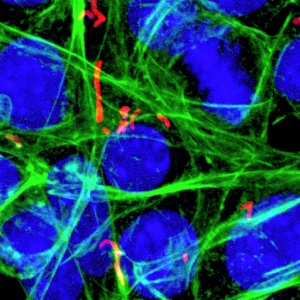
Ekaterina Dadachova and her colleague Claudia Gravekamp coated the bacterium Listeria monocytogenes with radioactive antibodies and injected the radioactive Listeria into mice with pancreatic cancer that had spread to multiple sites.

This particular type of cancer was used because less than one in 25 patients diagnosedMH900044950 with pancreatic cancer survive to the five-year mark. Chemotherapy, surgery and radiotherapy are sometimes ineffective because the disease often has spread to other organs before the cancer is detected.

The results of the study showed that, after only several doses of the radioactive Listeria, the mice had 90% fewer metastases than mice treated with either saline or radiation alone. A review of the studies indicates that a combination of events must happen to accomplish these staggering results.

Listeria, a bacterium sometimes found in food and which can cause serious infections, is MH900407492usually destroyed by our body’s immune system. By exploiting the fact that cancer cells can suppress an attack by the immune system, the Listeria bacteria avoid being wiped out and remain in the body, allowing the tumor cells to receive continuous radiation exposure.

As positive as the study results may be, researchers worry that healthy organs may receive excessive amounts of radiation. Although the study found no signs of tissue damage in the mice one week after a high-dose treatment of radioactive Listeria, radiation oncologist Joseph Herman believes that the effects of radiation might take longer to show up.

While estimating dose changes between animals and humans are not alwaysMH900390520 straightforward calculations, the researchers coordinating this study suggest that the radiation levels used would translate to a dose below the safety threshold for humans. Additionally, patients with pancreatic cancer tend to be less prone to radiation sickness because they’ve usually not received chemotherapy beforehand.

While this research is still in its infancy in phase I/II trials, radiation oncologists agree that this approach might present a new option for killing cancer in organs that resist other therapies.

As a clinical pharmacist, I’ve never thought of Listeria as a friendly organism. I’ve decided to rescind that opinion in view of the fact that this deadly bug can be altered to potentially cure deadly cancers. On the other hand, the murder mystery writer in me can visualize exciting sinister plots in which this new technology turns deadly.

Thoughts? Comments? I’d love to hear them!

Posted in About James J. Murray, About Medications/Pharmacy, Attack of Bacteria, Bacteria and Radiation, Bacteria Attacks Cancer, Blog Writers, Blogging, Curing Pancreatic Cancer, Friendly Bacteria, Killing Cancer With Bacteria, Lethal Bacteria, Listeria Attacks Cancer, Listeria Bacteria, Pancreatic Tumors, Pharmacy/Pharmaceuticals, Radioactive Bacteria, Radioactive Bacteria Attacks Cancer, Radioactive Listeria, The Pharmacy Profession | Tagged , , , , , , , , , , , , , , , , , , , , , , , , | 2 Comments

One Potato, Two Potato, Three Potato, Die!

The potato plant, a member of the perennial nightshade family, has an interesting secretsproutingpotatoes450 locked up in its leaves, stems and in those funny looking green spuds. The potato, a starchy tuber from the Solanum tuberosum plant and a dietary staple originating from the Incas of Peru 10,000 years ago, can be deadly if certain parts of the plant are consumed.

This trustworthy food that so often makes it to our tables and restaurant menus has a dark side. The green parts of the plant contain a substance called solanine, a glycoalkaloid poison that is a nerve toxin.

Solanine is a bitter crystalline poison that is part of the potato plant’s natural defense against insects and predators. Any green parts of the plant (its leaves and stem) are naturally high in glycoalkaloids and should not be consumed.

Potato poisoning is rare, but it does happen when people think the plant is as safe as the potato itself and attempt to make a tasty tea from potato leaves. Death normally comes from a lethal coma after a period of weakness and confusion.

The initial symptoms include abdominal pain, diarrhea and vomiting, dilated pupils and vision changes, delirium and hallucinations, and finally loss of feeling leading to paralysis and death. The solanine toxin interferes with the body’s ability to use a particular chemical that facilitates impulse transmissions between cells.

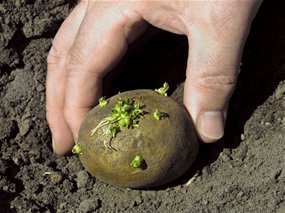
Even the potato itself can be deadly if allowed to turn green. The green hue on r556527_3331984such spuds is actually chlorophyll, but evidence of chlorophyll also indicates the presence of high concentrations of solanine toxin. The majority of deaths by potato in the US in the last fifty years have been from drinking potato leaf tea or eating green potatoes.

Although all potatoes contain a small amount of solanine, it’s estimated that a normal-sized person would have to eat about five pounds of potatoes at one sitting to experience any neurological symptoms. A much lesser amount of green potatoes consumed at one time would produce extreme neurological symptoms and possibly death.

Green potatoes occur as a result of exposure of the tuber to light (especially fluorescent lights) and warm temperatures. The best storage conditions for the potato include placing them in a dark place with a temperature between 50 to 65 degrees F. A root cellar is a perfect storage place for the potato but a cool, dark pantry and storing them in a brown paper bag works well also.

Having an occasional green potato chip is not harmful, but it’s best to discard potatoes145b96fb42975b0aa202ddbff9edf478339231c8 that have green eyes, sprouts or greenish skins rather than attempting to cut around the greenish parts. The neurotoxin in the green areas may transfer to cooking utensils and the final food product may be contaminated.

So if someone suggests green French fries on St. Patrick’s Day, think twice before deciding that the green hue is merely from food coloring and go for the French fried onion rings instead.

Thoughts? Comments? I’d love to hear them!

Posted in A How To Blog on Murder Plot Ideas, About James J. Murray, About Murder, Acute Poisons, All About Murder, Blog Writers, Blogging, Bloodless Death Scene Writing, Botanical Murder Weapons, Deadly Plant Poisons, Deadly Potatoes, Death By Potato, Dramatic Murder Weapons, Food Source Poisons, Foods That Kill, Foods Used For Murder, Green Potatoes, Interesting Murder Weapons, Lethal Botanicals, Murder With Food, Neurotoxin Poisons, Neurotoxins, Paralytic Nerve Toxins, Plants That Kill, Poison Potatoes, Potatoes and Neurotoxin, Solanine Poison, The Science of Murder, Tools of Murder, Unique Murder Weapons | Tagged , , , , , , , , , , , , , , , , , , | 5 Comments

Happy Fourth of July!

This coming weekend Citizens of the United States (including me) celebrate theMH900177764 anniversary of their independence on July Fourth.

This year is the 239th anniversary of the development of our free nation, and it reminds me of the great sacrifices our forefathers made so that we could have the freedom to choose how we want to live.

These same freedoms allow me to have this blog site to expound on various thoughts and subjects without fear of persecution. As I see news reports of demonstrations and tyranny around the world, I feel privileged to live in a nation that protects individual rights and freedoms and which encourages exploration of new ideas and alternate lifestyles.

But that right and those freedoms come with a responsibility to do all that we can to further the philosophy of our forefathers so that our children and future generations will continue to have the same freedoms and rights that we now enjoy.

Particularly on this momentous holiday, we have the responsibility to do something very important and timely. We can protect and maintain our environment as we celebrate.

MH900156721The multitude of tiny actions that people do each day to conserve natural resources and their environment may seem small and insignificant if only that one action is considered. But that one thing we do in the interest of conservation, multiplied millions of times by others around the world, can make a substantial difference.

These include recycling and reusing plastic cups and utensils, or by buying 100% biodegradable products. We can also be mindful of littering. Plastic bags and six-pack holders can injure animals that ingest them. And I want to offer a special reminder that illegal or improperly used fireworks are the leading cause of wildfires that can easily destroy fragile ecosystems and end lives.capitol-fireworks01

My wish is for you and your family to enjoy this wonderful summer holiday and to have a safe celebration experience.

I’ll be celebrating the holiday with a special 4-Mile Freedom Run on Saturday and a longer, more challenging run on Sunday.

Next week I’ll return to discuss sinister subjects, but until then:

HAPPY FOURTH OF JULY!!

Posted in A Holiday Wish, About James J. Murray, Blog Writers, Blogging, Celebrating The Fourth of July, Environmental Responsibility, Fourth of July, Fourth of July Celebrating, Freedom in the United States, Happy Fourth of July, US Independence Day, US Independence Day Celebration | Tagged , , , , , , , , , , , , , , , , , , | 3 Comments

Clean Your Windows – Clear Out Your Enemies!

Earlier this year there was considerable news coverage of an unusual attempted murder case. A South Carolina college student allegedly tried to kill her roommates by spraying their food with a window-cleaning product.

The student was caught on videotape and arrested for unlawful and malicious tampering with a drug product or human food, a class C felony that can carry up to a 20-year prison sentence if convicted.

IMG_1385-e1335410135484Even though I have some knowledge about lethal chemicals and an active imagination regarding how to use them for murder, news broadcasts constantly amaze me by reporting even more imaginative kill methods.

Although window-cleaning fluids can be quite lethal, it turns out that a considerable amount must be ingested or inhaled within a short period of time for them to be deadly. Certainly a person would become sick and possibly need medical care with lesser amounts, but literature indicates that about 14 ounces ingested or inhaled in a short period could be fatal.

Window cleaners often contain ammonia, ethanol, isopropyl alcohol and/orimages methanol, and these toxic substances produce a variety of symptoms. When the product is inhaled, the most common and expected symptom is mucous membrane irritation (specifically noted as a burning sensation in the nose, throat and airways). When ingested, the symptoms include burning of the lips, tongue and throat. The gastrointestinal symptoms from oral intake include severe abdominal pain, vomiting and blood in the stool. The skin and underlying tissue die and simply disintegrate.

With either a lethal oral or inhaled dose, additional symptoms of low blood pressure develop and the central nervous system begins to shut down. This is exhibited by insomnia, irritability, an inability to think and focus, as well as dizziness and walking difficulties. Eventually, the victim collapses and becomes comatose.

Medical support for an accidental overdose of window cleaner includes immediate medical care. It’s important NOT to make the person throw up if the chemical is swallowed. A better recommendation is to give the victim water or milk to dilute and neutralize the chemical, but do not give these supportive fluids if the person is vomiting or not completely alert.

With inhalation of large amounts of window cleaner, it’s important to move the victim to fresh air after calling for emergency help.

In researching the lethal effects of window cleaners, I discovered that there are also many beneficial uses for this household cleaner aside from cleaning windows. The red-wine-stain-in-carpetmost significant include using it for pest control—one spray on ants is lethal. Another useful suggestion is to use window-cleaning products to eradicate ketchup, red wine and tomato sauce stains from clothes. The recommendation is to spray the spot, let it set for 15 minutes and then wash the clothing.

As a murder mystery writer, I’m constantly looking for exotic, lethal chemicals to use incleaningcaddies my next storyline. Maybe I simply need to venture out to the garage and scan the cleaning product shelves for my next plot ideas.

Thoughts? Comments? I’d love to hear them!

Posted in A How To Blog on Murder Plot Ideas, About James J. Murray, About Murder, Acute Poisons, All About Murder, Blog Writers, Blogging, Bloodless Death Scene Writing, Chemical Poisons, Chemicals Used For Murder, Deciding How to Kill Off a Character in a Novel, Household Chemicals Used For Murder, Ideas for Murder Scenes, Interesting Murder Weapons, Lethal Substances Used For Murder, Murder Weapons Discussed, Murder With Chemical Cleaners, New Methods of Murder, New Methods To Kill Characters in Your Novel, Plotting Interesting Murder Scenes, Poisoning With Household Cleaning Products, The Science of Murder, Tools of Murder, Unique Murder Weapons, Ways to Murder, Windex and Murder, Window Cleaner Poisoning, Window Cleaning Murder, Writing Death Scenes | Tagged , , , , , , , , , , , , , , , | Leave a comment

DIELDRIN – An Old Remedy For A New Kill

In the past I’ve blogged about many compounds that have been used for murder or been formualtionused as wartime bio-weapons. One of the common denominators of these lethal compounds is that many were first developed as pesticides and used for that purpose until the lethal effects to humans were realized.

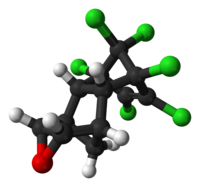
One such chemical is dieldrin, an organochloride compound originally produced by ashowThumb.aspx Denver, Colorado company in 1948. The product was marketed as an alternative to DDT and was widely used during the 1950s and into the 1970s as an insecticide on corn and cotton plants.

It was banned for that specific use in 1974 (and for all pesticide use by the mid-1980s) due to its harmful environmental impact and human health concerns. In the United States, dieldrin was the second most common pesticide detected in US pasteurized milk.

Chronic exposure to low and moderate levels of dieldrin can cause headaches, dizziness, vomiting, irritability and eventually can lead to spastic muscle movements. Health problems linked to this chemical include Parkinson’s disease, breast cancer as well as damage to the immune, reproductive and nervous systems.

Presently, many countries across the world have banned dieldrin’s use. However, the lethal effects of this substance have been linked to murders in and around the 21st century. An upstate New York gardener who strangled and raped a fourteen-year-old girl was convicted and sent to prison for his crimes, but in repeated appeals he continues to blame exposure to dieldrin as the cause of his episodes of mania and his depraved acts on the young girl.

An episode of Law and Order: SVU, which originally aired in November 2006, contained an interesting plot of adultery to murder in which the killer used dieldrin as the poison.

Dieldrin is a white powder with a mild odor and technical grade dieldrin is a tan powder, neither of which is soluble in water. But the chemical is readily absorbed by white_powderinhalation, ingestion or via contact with skin. Much of the chemical is metabolized and eliminated by the human body. A clinically significant portion is stored in fat cells, however, and accumulation in the body creates the toxic effects.

The substance is an extremely stable organic compound and does not breakDieldrin-3D-balls-1 down easily and kills via bioaccumulation—the progressive increase in the amount of toxic substance in an organism that occurs because the rate of intake exceeds the organism’s ability to remove the chemical from the body.

Since dieldrin strongly adheres to soil and resists breakdown, it continues to be an environmental contaminant and enters many lakes, ponds and streams due to soil runoff.

Dieldrin presents an interesting opportunity for fiction writers: from environmental contaminant plots with conflicts against the mega chemical industry to murder mystery plots using old dieldrin found in the storage shed of vintage houses. Research dieldrin, my writer friends, and let your imagination run wild!

Thoughts? Comments? I’d love to hear them!

Posted in A How To Blog on Murder Plot Ideas, A How To Blog on Murder Weapons, About James J. Murray, About Murder, Blog Writers, Blogging, Bloodless Death Scene Writing, Bloodless Death Scenes, Chemical Poisons, Chemicals Used For Murder, Chronic Poisons, Contact Poisons, Dieldrin and Its Lethal Effects, Dieldrin Discussed, Dieldrin Used For Murder, DMT, Dramatic Murder Weapons, Ideas for Murder Scenes, Instruments of Death, Interesting Murder Weapons, Killing Off Characters in Your Novel, Lethal Chemical Poisons, Lethal Insecticides, Lethal Pesticides, Murder Weapons, New Methods To Kill Characters in Your Novel, Poisons and Murder, The Science of Murder, Tools of Murder, Unique Murder Weapons | Tagged , , , , , , , , , , , , , , , , , , , , , , , , , , | 7 Comments

When Soft Drinks Were Not So Soft

MH900400989Medical experts argue about the health benefits of soft drinks. Sodas have been linked to our country’s growing obesity problem as well as to a lengthening list of other diseases. But a review of the history of two popular soft drinks indicates that the argument is not a new one.

Created by Charles Griggs in 1929, Seven-Up® was originallyMH900425314 named “Bib-Label Lithiated Lemon-Lime Soda” and was used as “a pick me up” drink. It contained seven ingredients and that long mouthful of a name was eventually shortened to 7-UP® as the product became more popular.

Seven-Up® was originally marketed as an over-the-counter remedy to cure hangovers. Early advertising stated that “7-Up takes the ouch out of the grouch!” It was the ultimate mood elevator. That’s because until 1948, the product contained lithium citrate, a mood-stabilizing drug.

Lithium citrate, a popular patent medicine in the late 19th and early 20th centuries, “evened MB900226428out” a person’s psyche and brightened the outlook of depressed patients. In later years, lithium became an early treatment for bipolar disease. It was particularly beneficial in softening the manic phase of manic-depression.

By the 1950’s, 7-Up (stripped of its lithium citrate additive) became a popular mixer in alcoholic beverages—again being used to soften one’s mood.

Another popular remedy was Coca-Cola®. Conceived in 1886, first bottled in 1899 and originally called “Pemberton’s French Wine Cocoa”, the product was initially a version of the European French Wine Cocoa. It was formulated at the Eagle Drug and Chemical Company, a drug store in Columbus, GA owned by pharmacist John Pemberton.

The European version contained both cocaine and alcohol. I should mention thatMH900399919 when cocaine and alcohol are ingested together, they form a chemical called cocaethylene. Cocaethylene works like cocaine in the body, only it produces more euphoria than cocaine alone. Needless to say, the product was very popular in Europe.

The American version contained no alcohol because the Georgia county where Pemberton had his drug store passed prohibition legislation in 1886, making the original French formula illegal. But Pemberton’s product did contain cocaine.

It was recommended as an aid to cure many diseases, including headaches, MH900178793hysteria and melancholy, and morphine addition. Pemberton himself was a morphine addict because of chronic pain that resulted from a Civil War injury. Pemberton eventually increased the popularly of his product by adding sugar syrup to the formula and calling it “Coca-Cola: The Temperance Drink.”

Coca-Cola® quickly became a popular cocktail among wealthy society people as an “intellectual beverage” and was marketed as a valuable “brain tonic” and “nerve stimulant.” Early advertising stated that the product was a delicious, exhilarating, refreshing and invigorating beverage.

Until 1905, Coca-Cola® still contained cocaine, and it took until 1929 to perfect the extraction process to finally remove trace amounts of coca’s psychoactive elements from the Coca-Cola product marketed at the time. The Coca-Cola Company finally trademarked the name “Coke” in 1944.

The Coca-Cola® that’s sold today still contains coca, but the psychotropicMH900430472 alkaloid is completely removed from it. A New Jersey chemical processing facility has that unique job. It’s been reported that the chemical company imports almost 200,000 kilograms of coca each year for Coca-Cola®, or enough to make more than $200 million worth of cocaine.

So in view of the fact that until the early 20th century, two of our most popular soft drinks were actually carefully disguised psychotropic street drugs, the current argument against consumption of these products because of potential obesity and deteriorating health doesn’t seem so immediate as it once did. At least now you can swear off sodas without having to go to rehab.

Thoughts? Comments? I’d love to hear them!
Posted in About James J. Murray, About Medications/Pharmacy, Blog Writers, Blogging, Compounding Pharmacy, Designer Drugs of The Past, Drugs and Soft Drinks of The Past, History of 7-Up, History of Coca Cola, History of Coke, History of Seven Up, History of Soft Drinks, Pharmacy/Pharmaceuticals, Prescription For Murder Blog, Soft Drinks and Drugs, Soft Drinks and Health Risks, Soft Drinks and Psychotropic Drugs, Street Drugs From History, Street Drugs of The Past, The Pharmacy Profession | Tagged , , , , , , , , , , , , , , , , , , , , , , , , , , , , , , , , , , , , , , | 4 Comments

Speeding to Liver Disease

The dietary supplement market for weight loss products and those for performance enhancement is a $33custom_metal_and_strong_style_color_b82220_wood_strong_drugstore_strong_style_color_b82220_rack_strong_and_display_drug_store_stro billion per year industry.

Some of the rising stars in this supplement category include products formulated with Acacia rigidula, the extract from a shrub that is native to the areas between South Texas and Central Mexico. The extract from the leaves of this plant reportedly increases energy, suppresses one’s appetite and burns fat.

Dsc00206Recent studies, however, indicate that almost half of the products with Acacia rigidula listed as an ingredient actually didn’t contain any of this botanical extract. The intriguing mystery is that these weight loss and performance enhancement products performed as intended!

Herbal remedies and supplements are not well regulated by the FDA and, because of that, some less reputable manufacturers may distribute products with formulas that are not consistent with the labeled ingredients. I’m definitely a believer in certain herbal remedies and use a couple of them to great benefit, but I caution you to research the manufacturer’s history and reputation before consuming their products.

So why did these supplement products perform as expected? What made themconfused-man work? Scientific testing indicated that in many cases Acacia rigidula was substituted with beta-methylphenethylamine (BMPEA for short).

A recent study published in the Journal of Pharmaceutical and Biomedical Analysis discussed this fact. Although FDA scientists conducted the study, it’s interesting to note that, at the time of this writing, no consumer alerts have been issued. The researchers felt certain, however, that the presence of BMPEA was probably NOT an accidental contaminant since chemical analyses of Acacia rigidula plants indicate that there is very low natural abundance of any phenethylamine compounds within them.

BMPEA is a synthetic substance (formulated in a lab) and it is chemically Amphetamine-BMPEA-comparison-655x360similar to amphetamine, a powerful stimulant and a highly controlled prescription drug. Twenty-one products that claimed to be manufactured with Acacia rigidula were sampled. Ten showed to contain BMPEA instead.

The potential for injury with indiscriminate use of BMPEA is great. In one physician’s experience while studying 85 patients with liver disease, two-thirds were middle-aged women using supplements to lose weight or to increase energy. Nearly a dozen of those patients required a liver transplant and three of them died.

Statistics coming out of Spain indicate that indiscriminate use of amphetamine-like stimulant compounds is the second most common cause of acute hepatitis in those under the age of 25.

As a murder mystery writer, the erroneous labeling of the above-mentioned products provides a great opportunity for development of sinister story arcs. As I often state in my blogs, substances that have expected benefits can also have detrimental effects if used or formulated improperly. The villains in your stories could familiarize themselves with the injurious and lethal effects of these substances and look for opportunities to do harm.

Imagine the resulting symptoms of spiking a victim’s food or drink withbad-day-pic-200x300 adulterated weight loss products to the point of overdose. There would certainly be unexplained increases in body temperature and blood pressure, agitation, and mood or behavioral changes to the point of being overly aggressive and possibly obsessive. Stimulant product abuse has lethal potential and liver failure is often the cause of death.

As I’ve said before: Imagination + A Little Truth + Opportunity + A Substance with Both Beneficial and Adverse Effects = Murder!

Thoughts? Comments? I’d love to hear them!

Posted in A How To Blog on Murder Plot Ideas, A New Drug Abuse Threat, A New Street Drug, About James J. Murray, About Medications/Pharmacy, About Murder, All About Murder, Beta-methylphenethylamine in Supplements, Blog Trends, Blog Writers, Blogging, Bloodless Death Scene Writing, Bloodless Death Scenes, BMPEA in Supplements, Characteristics of Murder, Chemicals Used For Murder, Designing Murder Plots, Drugs For Murder Plots, Drugs Used For Murder, Herbal Diet Remedies, Herbal Performance Enhancement Supplements, How To Write A BloodLess Murder Scene, Ideas for Murder Scenes, Interesting Murder Weapons, Murder With Drugs, New Methods of Murder, Performance Enhancement Products and Acacia Rigidula, Plotting Interesting Murder Scenes, Prescription For Murder Blog, Products Made With Acacia Rigidula, Products Made With Beta-methylphenethylamine, Products Made with BMPEA, Substituting Acacia Rigidula with Beta-methylphenethylamine, The Science of Murder, Unique Murder Weapons, Weight Loss Products and Acacia Rigidula, Yuletide Anthology | Tagged , , , , , , , , , , , , , , , , , , , , , , , , | 1 Comment

CYBER ATTACKS and MURDER

When I develop a new murder mystery idea, one of the primary issues that must be7bd5f5d8-dc13-48e6-bd65-e45ed27b534c-2 solved is determining how the murderer gains access to his victim, preferably without leaving evidence that can lead back to the villain. In this age of advanced forensics, “leaving no trace evidence” is becoming more difficult to work out in a fiction story.

However, a good friend of mine, Walt Lapinsky—who happens to be an expert in cyber security—has provided some interesting information in his latest blog about cyber attacks on our personal and professional data to gain access to our lives.

The comments in Walt’s “The last word” section of his blog made me realize how easy it would be to use everyday digital data to gain access to our homes, no matter how secure we may think they may be.

2073317_cyber-attack_7hqdjmj4am3d2cszxsyeykq4xpncurxrbvj6lwuht2ya6mzmafma_610x457When I thought about all the possible murder plots using such technology to gain access to our most secure personal spaces, I knew I had to reach out to Walt to ask permission to re-post his blog.

Walt graciously agreed and the following is his take on how a villain can gain access to his or her next victim. Click here for the link to his actual blog. Thanks for the suggestions, Walt!

*********************************************

Advanced Cyber Attacks (by WR Lapinsky)1dc9472

Last time I wrote about The Websense 2015 Treat Report and my key takeaways. One of those takeaways was that cyber attacks are more focused. Attackers are moving from being focused on an industry, like health care, to focus on a specific company, like Anthem. We are starting to see attacks that are aimed specifically at one organization within a company, targeting the people in that organization who are likely to have access to something the cybercriminals want.

Here is one interesting example from last year involving hacktivists. Hacktivists are cyber-criminals who attack a company not to gain monetary value but to impair the operation of the company. In this case, their targets were the few people in the company that managed the building security and environmental controls. From far away, these hacktivists locked the doors to the main server room and disabled the emergency override controls, then turned off the air conditioning and turned up the heat. The end result was a room full of physically destroyed computers.

How is this kind of specific attack done? Websense describes the seven stages of advanced threats.

  • Stage 1: Recon
  • The first step is to determine at least one individual who has the access to the information you want. They start by using professional websites (like LinkedIn) to determine who works at the company and might be in the area in which they are interested. Then, through the use of personal and social media sites, determine others who might have the information they seek. They are also looking for the kinds of lures that might work with these selected individuals.
  • Stage 2: Lure
  • Using the recon information, the cybercriminals create lures that can fool users into clicking on a link. These lures are dangled in emails and social media posts that appear to be from trustworthy sources.
  • Stage 3: Redirect
  • When the lure works and the user clicks on the link, they are redirected to sites with malicious content such as exploit kits.
  • Stage 4: Exploit Kit
  • An Exploit Kit will scan the user’s workstation looking for vulnerabilities which allow the delivery of malware including key loggers or other tools to enable further infiltration of the network.
  • Stage 5: Dropper File
  • Once the Exploit Kit has discovered a path to deliver malware, the cybercriminal delivers a “dropper file.” The dropper file contains software to start finding and extracting data, and often includes additional capabilities to deliver other malware in the future, even after the existing vulnerabilities have been fixed. The dropper file may remain dormant for a period of time to avoid detection.
  • Stage 6: Call Home
  • Once the Dropper File has infected the target system, it “calls home” to the hacker’s command-and-control system. Now the dropper file can download additional programs and tools, and get instructions. Now there is a direct connection between the cybercriminal and the infected system.
  • Stage 7: Data Theft
  • At this point, the cybercriminal begins to collect the data. The data could be anything: intellectual property, financial, health or other personally identifiable data, or data that will enable additional attacks.

Not every advanced threat uses all seven stages. These same stages are also used in more general, less focused attacks.

Each of these stages provides a place to stop the attack. A prepared company has a kill chain against these advanced attacks that monitor and defend at every stage.

These attacks may be directed at the victim’s personal accounts, accounts with less protection and where the victim tends to be less careful. Also a victim’s personal computer may be more vulnerable to attack than the IT-controlled office workstation, but that personal computer may be used by the victim for work-related activities and thus may contain information useful to breaking-in to the office network.

The last word:

Today, you have the ability to use your smart phone to control your home thermostat and lock or unlock your doors. Just like the hacktivist example above, somewhere there is a group of hackers attacking you and the company that manages the communications with these devices. That company might be your Internet Service Provider (Comcast or Verizon, for example), or your home alarm company. If not already available, it will soon be possible to buy the access codes to a house or company or more likely subscribe to a BIaaS (Break-in as a service). For $1,000 the hackers will turn off the alarm, disable the video cameras, and unlock the back door at 2AM, then relock the doors, enable the video cameras and turn on the alarm at 5AM. They will know that you are away that night because they hacked into your newspaper’s database and noted your stop delivery request on your daily newspaper.

Welcome to our brave new world.

Comments solicited.

Keep your sense of humor.

Walt.

Posted in A How To Blog on Murder Plot Ideas, All About Murder, Blog Trends, Blog Writers, Blogging, Culture Shock, Cyber Security Issues, Cybercriminals, Cyberterrorism, Cyberwar, Developing Storyline Ideas, Fiction Based on Facts, Future Shock, Guest Blogging, Internet Security, James J. Murray Blog, Lapinsky, Using Cyber Security To Murder, Using Malware For Murder, Walt Lapinsky Blog, Websense, wrLapinsky | Tagged , , , , , , , , , , , , , , , , , , , , , , , , , , , , , , , , | 2 Comments

A Memorial Day Reflection

american-half-staffThis coming Friday initiates the Memorial Day holiday weekend in the United States. It’s actually celebrated on the last Monday in May. By the end of the week, people will be wishing everyone “Happy Memorial Day” or “Have a great Memorial Day weekend.”

While I certainly appreciate the good wishes and hope that the three-day holiday IS a good one, it gives me pause that we can be so upbeat about the observance. After all, Memorial Day is a day of remembrance of those who died while serving our nation.

On the one hand, it saddens me that we party in remembrance of those who gave their lives protecting our nation and its interests. On the other hand, it certainly is worth celebrating that our fallen soldiers did not die in vain. Our nation and its citizensMemorial-Day-Pictures-Freew remain free and the opportunities to be an individual and to achieve a successful and meaningful life are as viable today as during those first days after our nation came into being—all because of the sacrifices of those who gave their lives protecting our freedoms.

I can’t help wondering, however, if the true meaning of Memorial Day isn’t lost on our everyday citizens. I also wonder how many school children can even articulate why we celebrate Memorial Day (or Labor Day or Veterans Day for that matter).

To clarify, Memorial Day is a day of reflection of those who sacrificed their lives and died while serving in the US military. Veterans Day, however, is truly a day of celebration honoring all US armed service veterans. Maybe a bit of history will help us understand the difference.

Memorial Day, which was originally called Decoration Day, was officially proclaimed on May 5th, 1868 and first observed on May 30th of that year when flowers were placed on the graves of both Union and Confederate soldiers at Arlington National Cemetery. This day of remembrance was set aside to commemorate those soldiers who gave their lives in the American Civil War.

Happy-Memorial-Day-Wallpapers-Free-DownloadThere is rich history on record regarding how the fallen were remembered in the Union territories as compared to Confederate territories. But the common thread was that the graves of the fallen soldiers were decorated on a certain date each May and a “dinner on the ground” often followed the decoration ceremony.

By the early 20th century, Memorial Day evolved into a more general expression of remembrance of all the deceased who had served in the military, and in 1971 Memorial Day became an official federal holiday.

In the late 20th century, however, Memorial Day evolved into a day of picnics and mass market bargain shopping. Don’t get me wrong, I’m all for that. But a little reminder that Memorial Day is both a time to reflect and to celebrate is in order.

We reflect on the sacrifices of military personnel and the loss to their families even as we celebrate that the price of those losses results in continued freedom and a stronger nation.

Lastly, I want to share an interesting bit of information regarding how to flyHalfMastFlag our flag on this special day. Tradition states that on Memorial Day the flag is raised briskly to the top of the flagpole and then slowly and solemnly lowered to half-staff. It should remain at half-staff until noon. At that time, it should again be taken to full-staff for the remainder of the day.

The reason for this ritual is that the half-staff position remembers those men and women who gave their lives in the service of their country. At noon, their memory is celebrated by the living who resolve not to let their sacrifices be in vain and to continue the fight for liberty and justice for all.

Enjoy your holiday weekend! Those who are no longer with us made that possible!

Thoughts? Comments? I’d love to hear them!

Posted in A Memorial Day Reflection, How to Fly the US Flag on Memorial Day, Memorial Day and It's Meaning, Memorial Day Flag Ceremony, The Reason For Memorial Day, What is Memorial Day in the US, When and How is Memorial Day Celebrated in the US | Tagged , , , , , , , , , , , , , , , , , , , , | 1 Comment