Scorpion Venom – A Lethal Opportunity!

deathstalker_240Scorpions are predatory arthropods—exoskeleton or shell-like creatures. They originated in England in the High Middle Ages (around 1200 AD).

Although scorpion venom has a fearsome reputation, there are only about 25 varieties (out of the over 1,700 species) that have venom capable of killing a human being.

Using the venom of one of these deadly varieties as a murder weapon could create an interesting plot twist and help craft a rather exotic murder mystery.

But to do so, we should focus only on the deadly varieties of scorpions and, in particular, on one of the deadliest species. The Deathstalker scorpion is just such a killer. It’s also known as the Israeli Yellow Scorpion and its tail is full of powerful, lethal venom.

A sting from a Deathstalker is extremely painful and will cause localized muscle paralysis. As the venom spreads throughout the body, the paralytic effects become systemic and a person will eventually die.

The venom contains a small protein called chlorotoxin, a chemical that blocks chlorideMH900438738 ions from entering muscle cells. Without chloride ions present, the body’s muscles can’t relax. They remain rigid and are unable to function.

The symptoms of progressive systemic paralysis begin with fine motor skill impairment—such as the inability to move a hand properly or to walk without a limp.

Eventually, the muscles of the diaphragm are affected and breathing becomes difficult. The person will drool when the esophageal muscles tighten, thus preventing proper swallowing. Speech will be difficult as the tongue muscle ceases to function.

MH900332900Death usually results from suffocation since the muscles that control breathing become totally paralyzed, although at times the heart muscle ceases to function first and cardiac arrest is the cause of death.

As is sometimes the case with natural poisons, the venom of the Deathstalker has been shown to have medical benefits also. The special proteins in the Deathstalker scorpion’s venom are used as imaging agents.

When dilute versions of the venom are injected into a person, they seek out brain tumors and other cancerous tumors. When stimulated by a laser in the near-infrared part of the spectrum, the venom proteins emit a glow that, although invisible to the eye, can be captured by a camera.

Special laboratories (there are only two in the world) “milk” the Deathstalker and otherMH900289343 venomous creatures to extract their venom for drug research and medical purposes.

When developing murder mystery plots using exotic murder weapons—such as scorpion venom—one of the prime considerations is a reliable source of your lethal agent.

In this case, one of those special laboratories or a specialty hospital using the venom extract for imaging would make excellent, believable sources for your murder weapon.

Thoughts? Comments? I’d love to hear them!

Posted in About Writing, Acute Poisons, All About Murder, Blog Writers, Blogging, Bloodless Death Scene Writing, Bloodless Death Scenes, Chemical Poisons, Deadly Scorpion Venom, Deathstalker Scorpion Venom, Deathstalker Scorprion, Designer Drug Deaths, Drugs For Murder Plots, Drugs Used For Murder, Ideas for Murder Scenes, Instruments of Death, Interesting Murder Weapons, Israeli Yellow Scorpion, Israeli Yellow Scorpion Venom, Killing Off Characters in Writing, Lethal Scorpion Venom, Murder Weapons Discussed, Murder With Drugs, New Drug Discoveries, New Drug Research, Plotting Interesting Murder Scenes, Plotting Murder Scenes, Poisonous Scorpion Venom, Poisons Used For Murder, Scorpion Stings, Scorpion Venom, The Deadliest Scorprion, The Science of Murder, Tools for Murder, Tools of Murder, Types of Deadly Scorpions, Uncategorized, Writing Death Scenes | Tagged , , , , , , , , , , , , , , , , , , , , , , , , , , | 5 Comments

Synthetic Marijuana – Fact or Fiction?

Often I write about interesting designer drugs that can be used as murder weapons (like “Molly” in a previous blog). Today, I’d like to discuss another popular designer drug that’s been in the news recently.

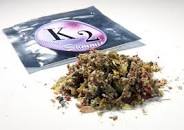
Synthetic marijuana first appeared in the United States around 2009. It’s aimages-1 psychoactive designer drug created by spraying natural herbs with legal chemicals that imitate the effects of cannabis.

The chemicals used in the spray are called cannabinoids because they mimic the effects of real cannabis. They’re used to avoid the laws that make cannabis illegal and, although these chemicals do create a psychotropic effect, they don’t produce positive drug test results.

The detrimental effects of using synthetic marijuana, however, include severe agitation and delirium, confusion and extreme sleepiness, kidney damage and seizures.

imagesThe drug is becoming increasingly popular among the teen crowd, with the biggest users in the 12-17 year-old age category. That’s because the product often is sold in stores as a household item and is sometimes labeled as herbal incense. In other retail establishments, like head shops and convenience stores, the product is marketed as “K2” or “Spice”.

The hidden dangers of synthetic psychoactive drugs, like synthetic cannabis, areMH900427604 that the legal chemicals used to mimic the psychotropic effects of the real drug often create a psychosis; that is, they facilitate the onset or worsening of existing psychiatric disorders and therefore can produce enhanced hallucinations, delusions, violence and impaired insight. So anyone with a predisposition to a psychotic episode could be pushed over the edge by using these legal alternatives.

When a product is designed to mimic the effects of an illegal drug but is made with legal ingredients, the DEA must create a specific law to make that product illegal. Until that happens, the drug is considered “unofficial but legal” in many jurisdictions. But, as soon as the DEA outlaws a specific drug, a new variation is often designed and marketed as the next big thrill.

Statistics show that there’s a growing parallel market, called the grey market, for these alternatives to illegal drugs, and as soon as their use is made illegal new ones become available. The DEA has identified over 200 such new substances in the last five years alone.

MH900439326It would seem possible to stem their growth by heightened laws and enforcement, but I continue to wonder if a more prudent approach would be public education starting at an early age regarding the dangers of using these “pop up drugs” ~

Thoughts? Comments? I’d love to hear them!

Posted in A New Drug Abuse Threat, A New Street Drug, About James J. Murray, Blog Writers, Blogging, Chemicals Used For Murder, Deadly Drugs in America, Designer Drug Deaths, Designer Poisons Used For Murder, Dramatic Murder Weapons, Drug Abuse, Drug Misadventures, Drugs For Murder Plots, Drugs Used For Murder, Euphoric Party Drugs, Interesting Murder Weapons, K2 Use, Marijuana and Colorado, Marijuana Deaths, Murder With Party Drugs, Party Drugs, Psychoactive Designer Drugs, Spice and Recreational Drugs, Synthetic Cannabis, Synthetic Marijuana, Synthetic Marijuana and Colorado, Synthetic Marijuana and Teenagers, Synthetic Marijuana and Teens, The Science of Murder, Tools of Murder, Unique Murder Weapons, Ways To Kill, Ways to Murder | Tagged , , , , , , , , , , , , , , , , , , , , , , , , , , , , , , , , , , , , | Leave a comment

Foods Can Kill

I often write about poisons and toxins that kill. After all, I write about murder and what better way to kill someone than with a substance that’s lethal but not so easy to detect.

mh900406537Such scenes make for good fiction reading, but a devastating reality is the fact that normal foods can kill also.

Reports of contaminated foods being recalled because they contain lethal bacteria are in the news often when people become ill after consuming them. However, there’s another side to the story of lethal foods.

Food allergies cause minor, and sometimes severe, allergic reactions. A recent visit to my allergist convinced me that the problem is much more prevalent than I ever realized. In fact, the statistics are staggering. Food allergies affect over 15 million Americans, and every three minutes a food allergy sends an American to the emergency room.

One in 13 children are included in this category—roughly two in an average American classroom—and nearly 40% of these children have already experienced a life-threatening food reaction, called anaphylaxis.

That means the reaction to the offending food caused a rapidly progressing allergic reaction that, if left untreated, would likely lead to death. The symptoms include rash development, a weak and rapid heartbeat, plummeting blood pressure, swelling in the oral mucosa and a lethal closure of the airways.

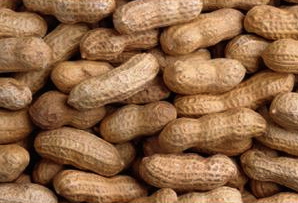
MH900177951Researchers tell us that the numbers of people with food allergies are increasing at a significant rate—an 18% jump in the decade between 1997 and 2007—and that peanut allergies have tripled.

Besides peanuts, some of the more common causes of severe food allergies include shellfish, wheat, soy, milk and eggs.

Scientists don’t have definitive answers for why this spike is happening, but there are some viable theories. As America continues to become a “cleaner society”, our children are not exposed to the irritants that older generations encountered and adapted to as they progressed through childhood.

Regarding the rapid increase in peanut allergies, scientists theorize that roasted peanuts may be part of the problem. In other countries with lower rates of peanut allergies, peanuts are often boiled and children in those countries begin consuming the ground-up food at an early age—at a few months old rather than at three or four years old, like in America.

So what do we do with this new information? There are injections that can be given toMH900308894 desensitize a person to many environmental allergies—like cedar, oak, dog, cat, etc. But, like many insect allergies, there are no desensitizing injections that are available for food allergies.

Presently, studies are being conducted with children who are highly allergic to specific foods. Small quantities of the offending food are introduced, with progressively larger portions, under controlled conditions in an attempt to desensitize the child to the severe allergy. But these treatments are still in the experimental stages and inconclusive at this point.

In 2012 a new organization was established to address the need for a cure of lethal food allergies. The organization is called Food Allergy Research and Education (FARE) and it was created from a merger between the Food Allergy and Anaphylaxis Network (FAAN) and the Food Allergy Initiative (FAI). FARE combines the expertise of FAAN’s food allergy information resources and programs with FAI’s large private source of funding for food allergy research.

The focus of FARE is increased awareness of this growing problem and the need for better education regarding the impact of food allergies. But, by combining advocacy at all levels of government with world-class research to advance treatment options, the evolution into finding cure options can begin.

Having lived through a severe, almost lethal allergic medication reaction when I was a child, I have personal knowledge that anaphylaxis is a frightening experience, one that will stay with you the rest of your life.

MH900448407When a severe food allergy leads to anaphylaxis in a child, the entire family is impacted. The best prevention is knowledge and preparation. To that end, every parent should go to Anaphylaxis 101 for a short education in food allergies, what symptoms to look for and what to do if a severe reaction should occur.

Thoughts? Comments? I’d love to hear them!

Posted in About James J. Murray, About Medications/Pharmacy, Anaphylaxis, Blog Trends, Blog Writers, Blogging, Children and Food Allergies, Common Food Allergies, Food Allergies on the Rise, Foods and Lethal Allergic Responses, Foods That Kill, Lethal Agents and Murder, Lethal Food Allergies, Lethal Substances Used For Murder, Murder With Food, New Methods of Murder, Peanut Allergies, Peanut Oil as a Poison, Pharmacy/Pharmaceuticals, Plotting Murder Scenes, Severe Allergies Used For Murder, Severe Food Allergies | Tagged , , , , , , , , , , , , , , , , , , , , , , , , , | 1 Comment

MADE IN AMERICA: What About Our Prescription Drugs?

From time to time, news features on TV report a trend to “buy American”. The reportsMH900177764 suggest that Americans are choosing items made in America over similar items made overseas. That’s admirable—right up there with the “buy local” slogans. But sometimes doing that to support our fellow citizens and to keep jobs within our borders may be easier said than done.

MH900321090These news features made me think about our nation’s drug supply. What about those prescription products that we have in our medicine cabinets? Those pills, capsules and liquids we slosh down our gullets each morning, noon or night—where are they made? Certainly, they’re not made local, but are they even made on the North American continent?

We trust that any meds we consume are pure and safe, and as All-American as our favorite quarterback. But are they? As I pondered that question and the importance of prescription drugs in our modern world, I wondered if that trust was warranted or misplaced.

If the drug products are made on American soil, then we could assume that governmentalMH900400871 oversight of the manufacturing facilities are in place. But what happens if the products are not made here? And how can we be sure that a drug product is safe to consume if it’s been made overseas? Who assures us of the quality of those drugs made offshore? Is it our government, the prescribing physician, the local pharmacy, or the distribution network that links the drug manufacturing houses to that pill bottle we pick up at the corner drugstore?

Statistics indicate that approximately 40% of all prescription drugs dispensed in the United States are made TOTALLY outside of the country, and 80% of all drugs dispensed in the U.S. have active ingredients (the main drug ingredient in the product) that ORIGINATE from sources OUTSIDE THE COUNTRY. Those are staggering statistics!

Why is there so much foreign drug manufacturing? American medical know-how and our scientists are surely the best in the world. But am I just lumping our trusted drug supply in with apple pie, ball games and hot dogs?

A reputable domestic drug manufacturer recently estimated that it costs about 25 percent more to manufacture generic drugs in the U.S. than overseas. As with most other things, it comes down to dollars and cents! That’s a sobering statistic, but it’s about much more than just the pay differential or raw material costs.

MH900321072With my past experience in pharmaceutical/herbal manufacturing, I know something about Good Manufacturing Practices. That’s the set of rules and procedures that manufacturing houses follow to assure the FDA and the public that the products made are of expected quality and potency, and that tests are made of the finished goods to confirm that. The FDA regulates that in several ways but conducting regular, periodic inspections tops the list for keeping everyone honest.

Reality begins to rear its ugly head when we link those percentages of drugs and active ingredients that are NOT made in the U.S. to the statistics of FDA oversight of foreign manufacturing houses. There are more than 3,700 foreign facilities that make finished drugs and/or active ingredients for the U.S. market, and the FDA admits to inspecting only about 11% of those facilities. By contrast, a U.S. drug manufacturing plant would be inspected about once every two years.

Such statistics could be a deadly combination moving toward a perfect storm of pharmaceutical disaster.

BUT there is good news! The FDA has been allocated additional funding for unannounced foreign inspections, and “surprise inspections” are a great way to keep everyone honest.

The even better news is how the FDA controls the distribution of our nation’s drugs. Independent sources estimate that the U.S. drug supply is the safest in the world, with only about 1% of the drug supply not being consistent with what’s on the label. That means the drugs in your medicine cabinet have a 99% chance of being what you expect them to be.

The FDA, the DEA and other drug enforcement agencies at the state level monitor andMH900431268 regulate legitimate drug distribution throughout the process—from the wholesalers to local pharmacy inspections. And great care is taken by legitimate wholesale and retail operations to know the source of the medications flowing through their distribution pipeline. It’s good for their business reputation and great for our peace of mind. That’s why it’s so important to buy from reputable pharmacy establishments.

Thoughts? Comments? I’d love to hear them!

Posted in About James J. Murray, About Medications/Pharmacy, Are Generic Drugs Safe, Blog Writers, Blogging, FDA and On-Line Pharmacies, Generic Drug Manufacturing, Generic Drug Safety, Generic Drug Use, Generic Drugs, Generic Drugs in the US, Made In America, Medication Safety Issues, Offshore Manufacture of American Drugs, Our nation's drug supply, Pharmacy/Pharmaceuticals, Prescription Drug Safety, Prescription Fill Practices in the US and Canada, Prescription Trends, The American Drug Supply, The Pharmacy Profession, Where Are America's Prescription Drugs Made? | Tagged , , , , , , , , , , , , , , , , , , , , | 8 Comments

Powdered Glass – An Instrument of Death?

Let’s say that you have a particularly nasty villain in your novel and want to kill him or herimages off in some unique way. You have a brilliant idea! Crush glass into fine shards and mix them into the villain’s food. Your character will certainly die an agonizingly painful and slow death. I’ve seen it written that a teaspoonful of crushed glass will puree anyone’s intestines.

Well . . . maybe that could be true. But the science really doesn’t back up that statement, even though the use of finely ground glass covertly mixed in food has been used in murder mystery plots in the past.

We’ve seen it before, both in books and on film: Crush glass into a fine powder and add the pulverized fragments to whatever your victim is about to ingest. Shortly, your victim falls to the floor, writhing in agony and eventually dying a painful death. Supposedly, the victim’s intestinal tract would shred and the person would bleed out internally, eluding all but the most experienced medical examiners.

Unfortunately, the science behind this intriguing method of murder simply doesn’t pan out. In order for the glass to be undetected in food, it would have to be ground so fine that when mixed in food it couldn’t be detected. The problem is that finely powdered glass wouldn’t pose much of a threat to the GI tract. There simply would not be enough rough edges left to “chew up” GI tissue.

On the other hand, if the glass particles were crushed into fine pebbles, then the Plate-of-broken-glassresulting shards would have enough spikes and splintery angles to cause micro-tears to the GI tract and possibly cause enough internal bleeding that the victim would die. However, such gritty nuggets would not be palatable and would be detected when the victim chewed the food.

Hmm! Too finely ground and the glass doesn’t damage enough to kill, and crushing the glass into larger nuggets would kill but could be detected and likely be spit out by the victim before the glass had a chance to do irrevocable damage.

Now that’s a dilemma! This is beginning to seem like a Goldilocks Problem: thisMH900116044 one’s too finely ground, and that one’s too course and would be detected. So could there be a situation where the glass is ground just right to cause lethal damage but yet not be detected? Probably not, but glass splinters would be a good alternative if used in the proper setting.

Fine glass splinters in food or drink that’s quickly ingested could prove to be lethal and yet not be detected, at least not until it’s too late to spit out.

Think about dropping glass splinters into a shot glass, for instance. A shot of tequila, with some glass splinters discreetly dropped in, would go down in one big gulp—down the gullet and on their way to chewing up GI tissue along the way. How about a second shot? Add more splinters and down the gullet again—lethal glass splinters chasing more lethal glass.

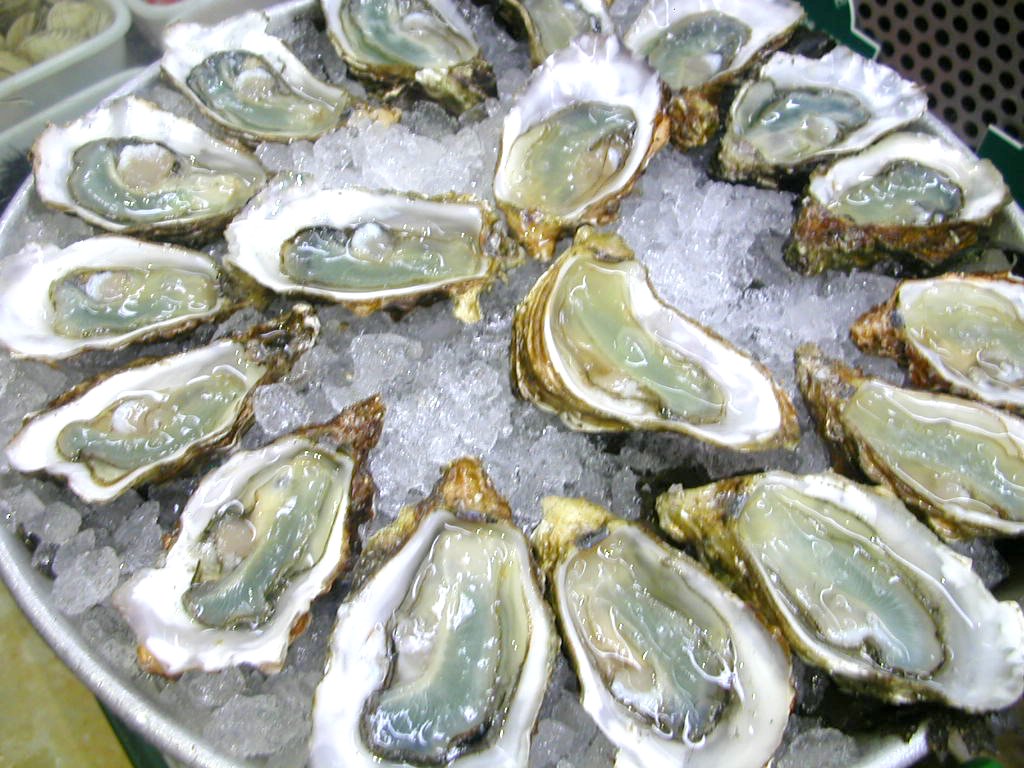
dollar-oystersI remember my father loved to eat raw oysters in hot sauce. He’d pry open the shell, add some hot sauce and let the oyster slide down his throat. Sprinkle glass splinters into that hot sauce or over the top of those oysters and you’d have a lethal dose of glass sliding down the throat along with that oyster.

So powdered glass as a lethal weapon might not work so well, but break the glass into slivers and fine splinters and that might prove to be lethal and as painful a death as expected—a perfect combination for writing an exciting murder scene.

Thoughts? Comments? I’d love to hear them!

Posted in A How To Blog on Murder Plot Ideas, A How To Blog on Murder Weapons, About James J. Murray, About Murder, About Writing, Blog Writers, Blogging, Broken Glass and Murder, Characteristics of Murder, Choosing How a Character Should Die in a Story, Crushed Glass and Murder, Deciding How to Kill Off a Character in a Novel, Designing Murder Plots, Dramatic Murder Weapons, Glass Shards and Murder, Ideas for Murder Scenes, Instruments of Death, Interesting Murder Weapons, Killing a Villain in a Novel, Killing Off Characters in Writing, Killing Off Characters in Your Novel, New Methods of Murder, New Methods To Kill Characters in Your Novel, Powdered Glass and Murder, Prescription For Murder Blog, The Science of Murder, Tools of Murder, Unique Murder Plots | Tagged , , , , , , , , , , , , , , , , , | 8 Comments

Ancient Remedies Resurrected!

Let’s start today’s blog with a riddle of sorts. What do the vegetables leek and garlicbouillabaisse-recipe-9216-1 have in common with wine and cow bile? The obvious answer is “nothing” but a more subtle answer is “apparently everything” when the question is properly framed as, “What does a medieval recipe of botanicals made into a slimy medicinal concoction cure?”

For centuries, scientists have turned to botanical sources to find cures for human ailments: foxglove (Digitalis purpurea) for heart disease, Ipecac (Carapichea ipecacuanha) to suppress coughs and induce vomiting, artemisinin (Artemisia annua) as an antimalarial, as well as a long list of others.

One of the more challenging problems facing medical science today is the cdc_rf_photo_of_mrsaincreased resistance of certain bacteria to antibiotics, particularly the troubling Methicillin-resistant Staphylococcus aureus (MRSA), which I have written about in previous blogs (here, here and here).

Recent articles suggest that scientists are reaching out again to botanicals for answers and have stumbled across a medieval potion that appears to be effective against these stubborn bacteria.

The ancient concoction is described as follows for treating styes (eyelash follicle infections):

Take cropleek and garlic, of both equal quantities, pound them well together, take wine432px-balds_leechbook_page and bullocks’ gall, of both equal quantities, mix with the leek (and garlic mixture), put this then into a brazen vessel, let it stand nine days in the brass vessel, wring out through a cloth and clear it well, put into a horn, and about night time apply it with a feather to the eye.

Styes are difficult-to-treat Staph aureus infections and modern researchers, after discovering the formula for this potent remedy, decided to test it on lab-generated MRSA infections.

The research program is called The AncientBiotics Project and the process involved growing contaminated biofilm that mimics soft tissue MRSA infections and culturing the bacteria. Additional tests were conducted on rats infected with MRSA. The hyperlink to the project’s name in this paragraph contains an interesting seven-minute video of the research work.

It was confirmed that no individual ingredient in the potion had a beneficial effect on the MRSA, but the COMBINED liquid potion—when properly prepared—killed almost all the bacteria, achieving a kill rate of approximately 90%. By comparison, the kill rate for Vancomycin, the antibiotic generally used for MRSA infections, eliminated about the SAME proportion of bacteria when added to the contaminated biofilm.

pestle-and-mortar-6Although amazed at the initial results, scientists were skeptical until the results could be duplicated time and again. After preparing four batches of the ancient remedy, each test of the different batches produced similar stunning kill rates.

As astounded as these researchers were at such positive test results, they began to question the “Why” of their success. Could similar effects be achieved with a more dilute mixture? The answer was “No” but they discovered that more dilute concentrations of the potion still interrupted bacterial communications and this prevented the bacteria from acting on and damaging tissue.

The next questions addressed were: 1) could a specific ingredient work as well as the concoction, 2) was it the synergy of the ingredients that produced the phenomenal results, or 3) did the recipe preparation actually form a new molecule or compound that became the killing machine?

Regarding the one ingredient theory, only copper from the brass mixing vessel is known to kill lab-grown bacteria, but copper can be toxic to the body.

As to the theories whether the synergy of ingredients produces the beneficial effects or if a new antibiotic compound is formed in the preparation process, these questions are likely the next steps to be addressed in the research process.

The research continues on this interesting ancient remedy, but scientists are so encouraged by their test results that the research has been presented at this year’s Annual Conference of The Society for General Microbiology held this month in Birmingham, UK.

As modern medical science moves forward in search of new, innovative treatments for diseases, we might be reminded that some cures are already discovered. They’ve merely been forgotten or tossed aside as out-of-date.

Thoughts? Comments? I’d love to hear them!

Posted in About Ancient Forgotten Cures, About James J. Murray, Ancient Curing Potions, Antibiotic Discovery Void, Antibiotic Resistance, Antibiotic Resistant Bacteria, Blog Writers, Blogging, Botanicals That Cure MRSA, Compounding Pharmacy, Drug Resistant Bacteria, Forgotten Cures, Medieval Cures, Medieval Remedies For Modern Ailments, MRSA, MRSA Research, Multi-Drug Resistant Bacteria, Superbugs | Tagged , , , , , , , , , , , , , , , , , , , , , , | 4 Comments

Dialogue: The Good and The Bad!

Last week’s blog was all about character development and using the 3P model to consider physical, psychological and philosophical qualities to flesh out characters.

MH900441734Getting to know a character deep down is necessary before you can turn that character loose in a scene. When we let those characters roam around our pages, they usually speak and interact with others, and that’s when writers often get into trouble.

I won’t bore you with basic rules. There’s an overabundance of articles and books devoted to such. We all know the rule that only one character should speak per paragraph and the dozens of other accepted rules we follow in fiction. But let’s dig deeper for the finer points of good dialogue.

Authors often say that dialogue is the most difficult part of writing a novel. That’s because dialogue should convey the attitude, mood, temperament and general psyche of the character—a tall order to say the least! When characters speak, the words should convey what those characters are thinking and feeling.

Good dialogue takes practice, trial and error, and surely several edits. I don’tMH900402268 often think about editing the dialogue during my first draft. The nuances to consider are too subtle and it takes my mind away from writing the story. But with the first edit, I start adding the psychological and philosophical layers that make the character real and believable.

Dialogue helps the reader get into the character’s mind and the following are some rookie mistakes that should be avoided:

Using dialogue for what’s already been described in narrative: In storytelling, you provide information either through dialogue or narration. Use one or the other. Don’t duplicate. For instance, don’t have your character talk excitedly about the flavor of some MH900431824food and then narrate how much the character is enjoying the meal. We get the point! Gestures also go a long way to suggest enjoyment and it uses a minimum of words. A short description of body gestures often expresses emotion or communicates thoughts better than a couple of sentences of narrative or dialogue, and it helps readers relate better to our characters.

Superlatives in dialogue: Adverbs like “very” and “extremely” don’t come across as meaning much. Use an action verb to convey feelings behind the words. For instance, “She was not very satisfied with my plan” sounds flat. A better phrasing would be, “Her furrowed brow told me the plan troubled her.” That gives a better visual of the character’s thoughts.

Literal Dialogue: One of the best examples of this is the one word answer “yes” or “no”. Staccato answers may create dramatic tension (think an interrogation) and that’s fine, but not in normal conversation. Answers should convey the “yes” or “no” intent but be stated in words that propel the story forward. Each word of written dialogue should move the reader toward the next sentence. Otherwise, the emotional connection between reader and character is lost.

Characters that state the obvious: This goes along with being too literal. We want toMH900212073 make sure the reader gets what we’re writing, so we belabor the point. Readers are smart. They connect the dots and usually follow the intent of specific dialogue. We don’t have to spell it out unless, of course, the intent would not be noticed otherwise.

Overuse of names in dialogue: Names of characters should be used sparingly. The usual rules are to use a character’s name ONLY during an introduction, for dramatic emphasis, when several people are in a room and a character is addressing a specific person, or during long speaking interactions between two people so that the reader doesn’t get lost with who’s saying what.

Too many tags: Tags are the “he said” “she said” descriptors that tell us who is talking. Tags should be used sparingly and only to keep the reader focused on who’s speaking. Studies show that readers often skip over the tags as they read dialogue.

Using tags to convey emotion: Tags tell us which character said the words. The emotional content of speech should be conveyed by the speech itself or by a gesture. To state, “he said, angrily” lacks imagination and conveys little. A better way to communicate a character’s anger is with a gesture (“He clenched his fist and pounded the desk”) or with expressive dialogue (“Impossible!”)

Formal dialogue: Dialogue should sound like people do in real life. Overly formal dialogue may have its place with a specific character, but everyday people don’t usually say, “That is an interesting and unusual red door.” They’d say, “Cool red door, never seen one like that before.” When editing dialogue, read it out loud. If it doesn’t sound natural, MH900309139then IT ISN’T! Change it to normal speak. Otherwise, you cause the reader to pause because it doesn’t feel right in the reader’s mind. And when a reader pauses, you break the reader’s concentration and lose the dramatic tension of the story.

Using only complete sentences in dialogue: Yes, we’re told to use complete sentences in writing, but modern fiction is written for belief. It is the ultimate believable lie! That means we can use contractions and incomplete sentences when necessary to help the reader connect with our characters.

Too much dialogue at once: Long bouts of dialogue bore readers, and they begin to skip past it (and maybe miss important information). Break up dialogue with some narration and some back and forth dialogue between your characters. And be succinct! Make each word and each sentence count toward moving the reader forward into the next sentence.

Exposition in dialogue: Giving background information to the reader can be tricky.MH900278964 Background is a necessary part of the storytelling process. But what is too much or too little, and when do you give this information? Too much at once is called “info dumping” and it overwhelms the reader. Background information should be doled out slowly, some in narrative and some in dialogue, and only enough to continue the story without confusion.

The problem with dialogue exposition is that the character already knows this information, so why would he or she mention it? There has to be a good reason for characters to state what is already known; if not, it comes off as false and awkward. The same rules apply to flashbacks. They can be effective tools for background exposition. Without a specific and immediate purpose, however, they simply confuse the reader.

Good dialogue is a great tool for moving a story forward and having the reader connect emotionally with your characters. Bad dialogue, on the other hand, is a great reason for a reader to move on to another book.

Thoughts? Comments? I’d love to hear them!

Posted in About James J. Murray, About Writing, Accuracy in Editing, Accuracy in Writing, All About Writing, Authors' Social Media Support Group, Better Fictional Character Development, Blog Writers, Blogging, Characteristics of a Fictional Character, Creating Interesting Fiction Characters, Developing a Writing Career, Developing Better Writing Skills, Dialogue Techniques, Good and Bad Dialogue Techniques, Good Dialogue Development, Growing As A Writer, How Fictional Characters Should Speak, How to Write Dialogue in Fiction, Learning the Art of Writing, Proper Use of the Written Word, Protagonist Development, The Art and Craft of Dialogue Writing, The Art of Writing, Tools of Fiction Writing, Writing Better Dialogue, Writing Dialogue, Writing Skills, Writing Techniques | Tagged , , , , , , , , , , , , , , , , , , , , , , , , , , , , , , | 4 Comments

Fictional Character Development Techniques

When people learn that I write fiction, they often ask how I develop the concepts for myMH900422224 main characters. The answer is simple: from observing people in their everyday lives. The long answer, however, is much more complex.

While it’s true that I often base a character on real people, transforming a mental image of someone into a fictional character is an intricate process. It’s comparable to applying multiple layers of varnish onto raw wood. You apply, buff, reapply, rebuff and continue the process until the wood develops depth and beauty.

Character development, in similar ways, layers all the components of a person (or those of several people) in order to build a multi-dimensional being that the reader can connect with in the two-dimensional world of literature.

MH900432847In the process of developing a character, I follow something called a 3P Model. I structure a character physiologically, psychologically and philosophically.

The Physical Aspects of a Character: You should have a good idea what your character looks like before conveying that to a reader. Physical appearance should first be locked down in your own mind. Even if you never specifically describe that character’s anatomical features in your writing, you should visualize a definite image.

Appearances often influence how others act. Hints of physical attributes give the reader much needed information to arrive at an accurate mental image. These images allow your readers to feel comfortable about how your character acts and how they interact with others in your story.

But a seasoned writer rarely goes into detail describing a character. Instead of saying,MH900443125 “She’s five foot eleven, has red hair and weighs 110-lbs”, you might say, “Her legs went on forever, her waistline the envy of most women, her flaming hair a perfect complement to her peaches and cream complexion,” or some other subtle, more pictorial description. Be creative, not biological, when describing characters.

The Psychology of the Character: A character’s mental state—their feelings and their perceptions of the world around them—drive their actions. This is where background development becomes so important. Create a virtual life for your main characters, a pedigree that makes them who they are and which determines their actions. For example, a person raised in a loving family with close siblings would react differently in a given situation than a person who grew up in foster care or reform school.

It’s said that we are the product of our life experiences. For readers to be able to connect with the characters we create, we have to construct full lives for our characters. That MH900448407means we should know where and how they were raised, educated and what sacrifices they endured to reach their present state in life. Most of what you envision (preferably in a brief outline) will never actually be stated in your book unless it’s important for the story’s progress, but it provides valuable information for you to direct your character and further the story.

Knowing how a character would feel in a scene provides important visual clues that you can use to indicate what a character is thinking and feeling without wasting dialogue. For instance, a character fidgeting indicates nervousness and putting a hand over the mouth could express disbelief.

The reader should be satisfied that a character is acting appropriately in any given scene. Your job as a writer is not only to write the scene but also to direct your characters to act accordingly. A reader should never say, “Hmm, he would never have done that!” It takes the reader out of the story and you lose the reader’s emotional connection to the character.

The Character’s Philosophy: Each of us has opinions and beliefs about most any given subject. Our characters should also be definitive, and those distinct beliefs and philosophies are what drive the story one way or the other. An indifferent character doesn’t make for good storytelling.

A character can be indecisive initially and that can create important dramatic tension, butMH900442299 at some point their inner principles must take over. Without a character with strong viewpoints, there’s no reason for the character to take action—and that translates to NO STORY! Action moves a story forward and motivates our protagonists and antagonists to do what they should do to entertain the reader.

Characters can be good or bad, but rarely should they be neutral. Definitive characters create and drive your story. A villain’s selfishness and greed make good fiction as well as the altruistic concerns of a hero, but neutral characters lose the reader’s interest.

Finally, success is in the details. A well-conceived character has likes, dislikes, and specific needs—just as real people do. Everyone has merits, flaws and quirks. Your dialogue and narrative should be peppered with those of your main characters. The more these individual traits are exposed, the more emotional connection the reader has with a character. Make your characters real and believable by first making them real to you.

Thoughts? Comments? I’d love to hear them!

Posted in About James J. Murray, About Writing, Accuracy in Editing, Accuracy in Writing, All About Writing, Better Fictional Character Development, Blog Writers, Blogging, Character development, Character Development Techniques, Characteristics of a Fictional Character, Counterfeit Drugs and the Internet, Creating Interesting Fiction Characters, Developing Better Writing Skills, Developing Effective and Compelling Fictional Heroes, Developing Writing Skills, Fictional Character Development, Growing As A Writer, Learning the Art of Writing, Pharmacists as Protagonists, Protagonist Development, Steps to Developing Great Fictional Characters, The Art of Storytelling, The Art of Writing, Writing Skills | Tagged , , , , , , , , , , , , , , , , , , , , , , , , , , , , , | Leave a comment

The Makings of a Hero

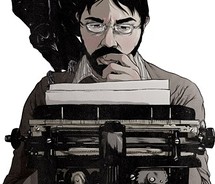
draw,glasses,hand,in,mouth,illustration,thinking,type,machine,writer-bc5f6977780ab1c98071f6be04bfc0c9_mThere’s nothing better than a memorable protagonist in any story, and the good guy in a murder mystery saves the day by solving the crime and bringing the perpetrator to justice. So for the next couple of weeks, I’d like to share a few character development tips that I use.

To develop storylines for thrillers and murder mysteries, character development is paramount. As dramatic as it is for someone to die on paper or an e-screen, it’s the actions of the protagonist that make the story come alive. So after deciding what should happen to begin the story’s journey, I think of how that will affect the protagonist.

Our character’s reactions to scene situations are what drive the story forward. If someone gets murdered and a police detective says, “Oh well, another day, another murder,” the readers’ reactions will be mundane as well and they’ll move on to another book. We have to give our readers a sense of urgency, a reason to turn the pages and to care about what’s taking place. And that only occurs when the protagonist cares to the point of obsession.

We, as writers, must perceive our protagonists as complex psychological beings driven byMH900431819 various combinations of past experiences, emotional baggage, current likes/dislikes/frustrations and future expectations. We are driven by our past experiences and future possibilities, and so are our characters—none more so than our main character, the one driving the storyline.

When we tap into the raw emotions of our protagonists—the hurts, the joys, the anger and disappointment, their driving forces—that’s when we begin to reveal a deeper story. Whether you consider a novel plot driven or not, the characters actually propel the action forward.

The trigger may be a murder, a series of them or some other great evil, but the real story is how the protagonist will arrive at a solution to the presented problem. Without tapping into the back-story of the main characters, there can be no story in the present. There must be motivations directing our characters to do what they do to restore equilibrium to the world as it’s presented.

Primarily, those motivations come from a mix of external and internal changes that office-superhero_650happen as the story progresses. Externally, the character must achieve something and be better off at the end of the story than at the beginning. It may be a newfound romance or a job change, but there must be some character transformation to entice readers to push forward to the last page.

Even more importantly, we must draw in the readers’ emotions and cause them to become invested in the character’s world. That happens when the protagonist undergoes an internal change: a shift of viewpoint, a realization of a source of fear or achieves some significant resolution.

But that change, that paradigm shift, should not happen easily. It should affect the character to his or her very core. That internal struggle gives depth to the story, and the eventual acceptance of the change makes the believable lie that fiction is . . .well, believable.

And there are no rules that require those changes to be for the better. Tragedy happens allWhy-Superhero-Movies-Need-Tragedy the time in real life and it’s especially dramatic when it happens in a well-written novel. The protagonist MUST undergo an internal and external change for the reasons stated above, but those changes may well end in tragedy.

A protagonist may deal with a life-long struggle of achievement and acceptance, only to lose a prized possession in the end. This character is forever changed because of the loss, but that may be necessary for the character’s life to progress in a certain way. So even in adversity, there is an evolution in the character.

When I develop a storyline for a murder mystery or thriller, the evil lurking beyond reach becomes the supporting pillar for the real story of the protagonist’s reactions to the events and what those actions eventually cost the character.

Thoughts? Comments? I’d love to hear them!

Posted in About James J. Murray, About Writing, Accuracy in Writing, All About Writing, Better Fictional Character Development, Blog Writers, Blogging, Character Development Techniques, Characteristics of a Fictional Character, Creating Unique and Interesting Character Flaws, Developing Better Writing Skills, Developing Effective and Compelling Fictional Heroes, Developing Writing Skills, Fictional Character Development, Growing As A Writer, Learning the Art of Writing, Protagonist Development, Protagonists, Steps to Developing Great Fictional Characters, Story Development, The Art of Storytelling, The Art of Writing, Writing Skills, Writing Techniques | Tagged , , , , , , , , , , , , , , , , , , , , , , , | 5 Comments

Ketamine – A Bad Trip or a New Therapy Option

Home_AnestheticPeriodically, ketamine abuse is reported in news broadcasts or is the subject of TV dramas. Most of us have heard of the street name or slang terms for ketamine: Cat Valium, Jet K, Kit Kat, Special K, Super K, Vitamin K and a few others.

Although the drug is manufactured as the injectable liquid ketamine hydrochloride, the liquid is usually evaporated into a white powder for illicit use. Illegally, the drug is either snorted or swallowed.

Ketamine is tasteless and, although the drug is described as odorless, various reports indicate the drug has a mild dish detergent smell. At any rate, ketamine can easily be added to flavored drinks without detection. Ketamine is versatile. It is absorbed either via the intravenous, intramuscular, oral or topical routes and it easily dissolves in water, alcohol or lipid solutions.

Because the drug mixes well into liquids and induces amnesia, ketamine is listed as one ofClub-Disco-Party-PPT-Backgrounds-1000x750 the “date rape” drugs. It is categorized as “a club drug” since ketamine often is used recreationally in nightclubs, discos and raves. Club drugs typically include stimulants, hallucinogenics and psychedelic drugs.

First developed in 1962, the medical uses of ketamine include starting and maintaining anesthesia and for post-operative pain management for both human and veterinary use. At sub-anesthetic doses, however, ketamine produces a dissociative state.

The dissociation can be mild with a dream-like state and hallucinations that include a pleasant feeling of floating above one’s immediate environment. Or the dissociative state can be more pronounced with a complete sense of detachment from one’s physical body and the immediate environment—this is called de-personalization and de-realization, respectively. Ketamine has been associated with intentional use to experience near-death sensations.

At sufficiently high doses, abusers of ketamine may experience the “K-hole”, a state of extreme dissociation with agitation along with visual and auditory hallucinations within 10 minutes of injected or oral use and which lasts for one to two hours.

Overdoses without medical management can produce symptoms that progress to delirium, blood pressure spikes, heart arrhythmias, loss of muscle control, increased intracranial pressure and fatal respiratory issues.

Ketamine flashbacks have been reported for up to several weeks after dosing and prolonged use may cause sustained agitation, depression, impaired attention and learning abilities, as well as memory loss and periodic amnesia.

640px-R-ketamine-2D-skeletalLethal overdoses of ketamine are rare, but several high-profile deaths have been reported. Death from Ketamine usually involves single doses of over 150mg or when ketamine is mixed with a cocktail of alcohol and/or other club drugs. The mystery writer might invent an interesting murder scenario using this effective and potentially deadly drug.

There is no known antidote for a ketamine overdose. Medical management primarily includes ventilating the patient to support respiratory and circulatory function. Treatment of the associated agitation with depressant therapies are not advised since these drugs further depress respiratory function and lengthen the effects of, and recovery from, a ketamine overdose.

Recently, several studies indicate that IV ketamine treatments may become a 21st centuryketamine_10ml_bottle11 breakthrough in antidepressant therapy, particularly for major depressive disorder and bipolar depression. Intravenous dosing of IV ketamine has been demonstrated to produce similar anti-depressive results in six hours as compared to six weeks of therapy with standard oral antidepressant medications, and there appears to be a profound reduction in suicidal thoughts.

Although it’s too early to confirm this attribute of ketamine, future medicinal psychiatric practice may well include ketamine as a standard anti-suicidal medication.

Thoughts? Comments? I’d love to hear them!

Posted in About James J. Murray, About Medications/Pharmacy, About Murder, Acute Poisons, All About Murder, Blog Writers, Blogging, Bloodless Death Scenes, Chemical Poisons, Designing Murder Plots, Dramatic Murder Weapons, Drug Poisoning, Drugs Used to Murder, Future of Ketamine, Ideas for Murder Scenes, Illegal Ketamine Use, Illicit Use Of Ketamine, Interesting Murder Weapons, Ketamine As A Party Drug, Ketamine Hydrochloride, Ketamine Overdose, Ketamine Poisoning, Ketamine Treatments, Ketamine Use in Psychiatry, Ketamine Uses and Abuses, Lethal Chemical Poisons, Misuse of Drugs, Murder With Drugs, Murder With Party Drugs, Plotting Interesting Murder Scenes, Street Drug Abuse Substances, The Science of Murder, Thrill-Seeker Drugs, Ways to Murder | Tagged , , , , , , , , , , , , , , , , , , , , , , , , , , | Leave a comment