Warm Wishes and Holiday Cheer

Last year around this time, I wrote a couple of short stories with Christmas themes. I wasphoto-3 pleased that both got published in seasonal anthologies.

One of those stories, Santa’s Secret Helper, was . . . well, it was sort of a “twisted Christmas theme” about a guy who’s wife accidentally poisoned her husband with yerba maté tea laced with cocaine. The plot evolved from sinister to hilarious when the man played Santa Claus at a Christmas party and wrecked havoc on the world around him.

In my story, yerba maté tea gets a bad reputation, and today I’m determined to right that wrong. When my wife and I were traveling in Argentina several years ago, we experienced the wonders of this stimulating tea and had occasion to sip it along with our fellow travelers.
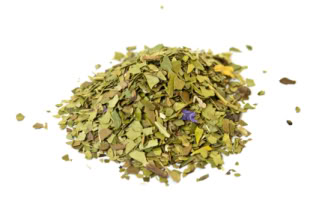
yerbamateYerba maté is made from the dried leaves and twigs of a specific holly tree (Ilex paraguariensis) that grows in the rainforests of South America.

The tree originated in Paraguay, but it now grows in Brazil and Argentina. For centuries, the Aché Guayaki tribe supplied much of the tea to the surrounding area; but since the 1930s, Argentina has been the largest producer and consumer of this tea.

A special container (known as a “gourd” or “Maté Urn”) is used to make a daily mixture forIMG_0971 consumption. The dried holly leaf/twig blend is placed in the gourd and only enough cold water is added to moisten the mix. The container is next filled with hot water (no hotter than 150 degrees F) to just below the top and steeped.

The brew is sipped through a special spoon-straw apparatus (called a “bombilla”). The spoon helps keep the tea in solution and is bulbous with small holes to strain the leaves out of the liquid as you drink. The handle of the bombilla is actually the straw used to sip the tea.

There is a long-standing ritual attached to sipping yerba maté in that one person does the preparation and sips the first mixture. That same person refills the same holly leaf blend with more hot water and passes it around for friends to partake. This ritual can be repeated in a pour-pass-sip fashion several times before a new dry mixture is needed.

My wife and I experienced this wonderful ceremonial custom while traveling in the countryside of Argentina, although the whole time I was wondering what microorganisms were being passed along in the sipping process. Fortunately, neither of us experienced any ill effects.

Of the six most commonly used stimulants in the world (coffee, tea, kola nut, cocoa, guarana and yerba maté), yerba maté wins out as the one that provides the most energy and nutrition. It’s been reported that yerba maté contains an abundance of vitamins, minerals, amino acids and antioxidants.

Deemed “The Drink of the Gods” by many indigenous groups in South America, the tea iStock_yerbamatehas gained popularity in North America in recent years and is found in many health food stores. Advertisements state that yerba maté has the strength of coffee, the health benefits of tea and the euphoria of chocolate. The slightly bitter taste may take a little getting used to, but after that it can be a bundle of joy in a cup!

In 1964, the Pasteur Institute and the Paris Scientific Society stated, “It is difficult to find a plant in any area of the world equal to maté in nutritional value.” Yerba maté is reported to stimulate the brain, the heart and blood vessels without the nervousness and jitters associated with coffee. It might just be the thing to help get you through the hectic holiday season.

But, if this fun tea seems too good to be true, it may be. The Mayo Clinic has done studies on yerba maté and determined that occasional drinking poses no health risk but that drinking large quantities over prolonged periods of time may increase the risk of certain cancers.

As my Santa Claus character in last year’s short story can attest to, yerba maté can be a wonderful mood lifting and very stimulating drink. BUT, a little too much . . .

Thoughts? Comments? I’d love to hear them!IMG_0007

May You Have

       A Joyous Winter

              Holiday Season!
Posted in A Christmas Greeting, A Holiday Wish, A Twisted Christmas Short Story, A Twisted Holiday Short Story, About James J. Murray, Accuracy in Editing, Argentinian Yerba Mate Tea, Benefits of Yerba Mate Tea, Blog Writers, Blogging, Christmas Anthology, Christmas Short Stories, Christmas Themed Blog, Happy Holidays, Holiday Cheer, Holiday Fiction, Holiday Short Stories, Popular Stimulant Drinks, Prescription For Murder Blog, Seasons' Greetings, Yerba Mate Tea, Yerba Mate Tea Drinking Practices, Yerba Mate Tea Drinking Rituals | Tagged , , , , , , , , , , , , , , , , | 2 Comments

Perchloric Acid – A Versatile Murder Weapon!

Unique lethal compounds fascinate me and, as a medical thriller writer, I’m constantly on dreamstime_xs_2932007the search for new methods of murder. Today, I’d like to discuss a most interesting chemical—perchloric acid. It has deadly potential in a number of ways and should be of interest to a variety of writers because of its versatility.

Perchloric acid is usually found as a water-based solution. It is colorless and odorless, but extremely deadly. Interestingly, because of its industrial use to etch chrome and crystal displays, it’s readily available on the Internet.

It is somewhat regulated, however, since it is also used to make rocket fuel; but someonerocket8 with a little knowledge of chemistry can synthesize it by reacting sodium perchlorate with hydrochloric acid. Sodium perchlorate is used in standard laboratories to extract DNA; and hydrochloric acid, commonly known in the plumbing industry as muriatic acid, is used to clear clogged drains.

As a murder weapon, perchloric acid’s obvious potential is that it’s a strong acid. Actually, it’s classified as “a super acid—that means perchloric acid is more acidic than 100% pure sulfuric acid. Upon contact with skin, eyes, or mucous membranes, this acid causes severe burns and tissue formualtiondestruction. The villain in your murder plot will have to handle perchloric acid with neoprene gloves and use chemical goggles, a face shield and a rubber apron for protection from accidental spills. And the chemical should be stored in either glass or porcelain containers.

What is most fascinating about perchloric acid is that it’s a powerful oxidizer. This substance, while not necessarily combustible in itself, yields enough oxygen molecules when heated to cause fires and even explosions. When heated rapidly, such as with an incendiary device, perchloric acid reacts violently (often explosively) to oxidize paper, wood, metals such as copper and brass, and clothing. Clothing materials include nylon, polyester, cotton and wool.

Thus, perchloric acid could be the basis for a rather dramatic scene of personal or large-scale explosive destruction with residual intense fire. It would be like having several open oxygen canisters near a flame.

Another interesting advantage of using perchloric acid as a weapon is itsdna_crime potential to destroy DNA evidence. Because of its strong acid capacity and its explosive oxidizing capability, this chemical will destroy any DNA evidence inadvertently left behind by the perpetrator.

Although my job as a writer is to think like a villain, I also believe that most should get caught at some point. Perchloric acid will make that process much more difficult and possibly create some rather interesting plot twists.

Thoughts? Comments? I’d love to hear them!

Posted in A How To Blog on Murder Plot Ideas, A How To Blog on Murder Weapons, About James J. Murray, About Murder, Acids and Tissue Damage, Acids and Tissue Death, Acids Used to Murder People, Acute Poisons, All About Murder, Blog Trends, Blog Writers, Blogging, Chemicals Used For Murder, Dramatic Murder Weapons, Flesh Eating Acids, Ideas for Murder Scenes, Interesting Murder Weapons, Lethal Agents and Murder, Lethal Substances Used For Murder, Murder Weapons, Murder Weapons Discussed, New Methods of Murder, New Methods To Kill Characters in Your Novel, PCA and Murder, PCA as a Superacid and Oxidizer, Perchloric Acid, Perchloric Acids as a Superacid and Oxidizer, Strong Acids Used For Murder, Tools for Murder, Unique Lethal Compounds, Unique Murder Plots, Ways To Kill, Ways to Murder, Writing Murder Scenes Using Perchloric Acid | Tagged , , , , , , , , , , , , , , , , , , , , , , , , , , , | 2 Comments

TABUN – A Dramatic Murder Weapon!

Although first developed as a possible pesticide in Germany in 1936, tabun quickly became imagesknown as an excellent chemical warfare agent and was made on an industrial scale by Germany during World War II. It was the first of the so-called G-Series nerve agents developed during that time.

Tabun is among the most toxic and rapidly acting of the known chemical warfare agents. Since tabun is much easier to make than other nerve agents, countries that develop nerve agent capability but lack advanced industrial facilities often start with tabun.

During the Iran-Iraq War, Iraq used nerve agents against Iranian ground forces and tabun was among the agents used. Today, international production is highly controlled, and the Chemical Weapons Convention of 1993 has outlawed the stockpiling of this chemical.

Tabun, by appearance, can be deceiving. Although an extremely lethal chemical, it42-15570013 presents as a clear, colorless, and tasteless liquid with a faint fruity odor. Tabun readily mixes with water, so it could be used to poison water and water-based liquids. Since tabun contamination is possible on a small or a grand scale, it could be utilized for an intimate murder scene or be used by a thriller writer to create scenes of catastrophic destruction.

The toxic effects of tabun occur even if the contaminated liquid is not consumed. Merely having the chemical come into contract with skin can be deadly. Even with its distinctive faint fruity odor, that may not be noticeable enough to warm victims that tabun is present.

smoke-vapor_645x400Tabun transforms into a vapor when heated, and the vapor can easily be absorbed into clothing materials. When fabrics have been exposed to the vapor, the clothing releases the toxic vapors for hours after and can be deadly to anyone wearing the clothing.

If tabun is released into the air (either as a liquid spray or a vapor), exposure can be through skin contact, eye contact or by inhalation. An interesting fact is that tabun vapor is heavier than air, so it will create a greater hazard in low-lying areas by replacing the air.

The extent of poisoning caused by tabun depends on the amount and form of tabun to which the person was exposed. Symptoms can appear within a few seconds after exposure to tabun vapors and within a few minutes after exposure to the liquid form.

The symptoms of tabun exposure include nervousness/restlessness, pupil contraction, a runny nose, excessive salivation, and difficulty in breathing. The chemical’s toxic effects interfere with the normal operation of an enzyme that acts as the body’s “off switch” for glands and muscles. In effect, the body’s glands and muscles are constantly being stimulated after exposure to tabun. After a time, they tire and can no longer function.

Initial symptoms include a slow heartbeat, drooling, chest tightness and sweating withimages-1 rapid progression to convulsions, total lung function shutdown, and loss of bladder and bowel control. Even a small drop of tabun on the skin can cause sweating and muscle twitching where the chemical touched the skin.

Recovery from tabun exposure is possible with treatment and life support measures. There are a couple of antidotes available (pralidoxime and deazapralidoxime), but they must be used quickly to be effective.

Tabun is an intriguing chemical, somewhat easy to make for a seasoned chemist, and can be a dramatic addition to a thriller or murder mystery plot.

Thoughts? Comments? I’d love to hear them!

Posted in A How To Blog on Murder Plot Ideas, A How To Blog on Murder Weapons, About James J. Murray, About Murder, All About Murder, Blog Trends, Blog Writers, Blogging, Bloodless Death Scene Writing, Chemical Poisons, Death By Tabun, Designer Poisons Used For Murder, Dramatic Murder Weapons, How To Write A BloodLess Murder Scene, Ideas for Murder Scenes, Murder Weapons Discussed, Plotting Murder Scenes, Poisoning With Tabun, Poisons Used For Murder, Tabun, Tabun as a Murder Weapon, Toxic Chemical Warfare Agents, Writing Death Scenes | Tagged , , , , , , , , , , , , , , , , , , , , , , , , , , , , , | 4 Comments

DEADLY FUNGAL INFECTIONS!

I’ve written blogs about deadly bacteria and viruses in the past, and those are the MH900427618organisms most often responsible for deadly outbreaks. BUT, there are equally lethal fungal infections that spread among the North American population.

Such a fungal infection, from the Cryptococcus family, is an example. It usually affects the lungs because the fungal spores are airborne and inhaled. But the infection can spread to other organs of the body if not treated appropriately.

These deadly cryptococcal infections are caused by either of two types of Cryptococcus fungi: Cryptococcus neoformans and Cryptococcus gattii.

In the absence of therapy, the infection quickly spreads to the brain and other organs, often with fatal results. Even with therapy, the infection is sometimes deadly. About a third of those infected die from the disease.MH900321126

The treatment is antifungal drug therapy, a painful infusion that is given daily over a period of months. At times, the therapy fails and patients may be forced to undergo corrective surgery to rid the body of the infected tissue.

The disease was first detected in 1999 when hospitals in Vancouver Island, Canada saw a sudden spike in cryptococcal cases. By the next year, veterinary hospitals were seeing a similar spike in animal cases.

It was not until 2002 that the increased incidence of the fungal disease was seen in individuals outside of Vancouver Island and in people who had never visited there. By 2007, more than 200 cases were identified across Canada and the infection spread south across the US border.

A 2010 report by the US Centers for Disease Control and Prevention (CDC) reported cases not only in humans, but also in domesticated pets and other animals in the states of Washington, Oregon, California, Idaho and Hawaii. The death rate in the Canadian cases has been reported to be about 10%, but there is a dramatic 33% mortality rate for the cases reported in the US. Researchers are still puzzled by the increased fatality rate of the US cases.

Cryptococcus fungal infections are usually found in warmer climates and C. gattii, the more prevalent of the cryptococcal infections, often exists in tropical and sub-tropical regions of the world.

Researchers are concerned that this fungal infection has been found so far north. The cool, Autumn Foliage Along a Calm Lake Watersmeet, Michigan, USAdry weather of North America should not be favorable for such an outbreak, and they wonder if global warming is contributing to the disease migration.

Of particular concern is that, in contrast to bacterial and viral infections, a fungal infection usually develops over an extended period of time and sometimes reappear even after successful treatment is completed, making it a perfect biological agent to transform into epidemic proportions. This fact makes a particularly aggressive fungal organism a prime subject for a potential thriller plot.

Healthcare agencies historically don’t focus on potential epidemics from fungal infections, MH900448633and that may be the most deadly aspect of this outbreak. Clinicians often look first to bacterial and viral assaults before diagnosing disease as fungal attacks, and that mistake increases the likelihood of a fatal outcome from exposure.

Fortunately, increased awareness at the local and regional levels in the US has produced changes in policies to include the possibility of fungal infections as pandemics, and early diagnostic considerations are being implemented.

Much work, however, still needs to be done to develop better, safer and more effective drug treatments and preventive vaccines for the increased incidence of these fungal infections.

Thoughts? Comments? I’d love to hear them!

Posted in About James J. Murray, About Medications/Pharmacy, Blog Trends, Blog Writers, Blogging, CDC Plan to Prevent Superbugs, Cryptococcosis, Cryptococcus Infection Outbreak, Curing Viral Infections, Deadly Cryptococcus Infections, Deadly Fungal Attacks, Deadly Fungal Infections, Fatal Brain Infections, Fungal Attacks, Fungal Infection Epidemic, Fungal Infection Outbreak, Fungal Infection Pandemic, Killing With Lethal Microbes, Prescription For Murder Blog, Superbug Epidemic, Superbugs, Unique Murder Plots, Ways To Kill, Ways to Murder | Tagged , , , , , , , , , , , , , , , , , , , , | 3 Comments

Why A Writer Should Be Thankful!

Here in the United States it’s Thanksgiving time—Thursday, November 27th to be exactthanksgiving-dinner—and it’s a day of fantastic food feasts, with the bonus of a long holiday weekend ahead.

But more importantly, it’s a time to reflect on what makes our lives so special and rewarding and what makes us thankful when we think back on the current year and the events that have shaped our lives in the recent past.

As my life has evolved from a clinical pharmacist into the world of writing fiction, I’ve come to realize how special and rewarding it is to be a writer.

Although there are challenges in each and every endeavor we attempt and with each life thank-you-quotesdecision we make, writing has been most rewarding for me in many ways. A few of the “special perks” of being a writer, and the ones for which I am most thankful for, include:

(1) My Life Experiences: We all have life experiences from which we draw on in our daily lives, but a writer has the special privilege of being able to share some of those experiences with readers and, especially as a fiction writer, I get to shape those experiences in a special, entertaining way. It’s those life experiences that help develop my story ideas, shape my character development and influence the dialogue I write. I’m thankful every day for new experiences that help me become a more creative writer.

(2) I Get To Fantasize As Much As I Want: Writing is one of the few professions where it’s totally acceptable to live in a fantasy world and still not be considered mentallyJohnny-Depp-Crazy-Head unstable. I love that I can have imaginary friends (my characters) and I can communicate with them anytime I want. I’m thankful that I can escape reality on a regular basis and still have those around me think that’s perfectly normal.

(3) I Can Be As Manipulative As I Want: The reality of the modern, civilized world involves consensus and compromise on a daily basis to achieve one’s personal goals. A writer doesn’t have to worry about that. If you write non-fiction, you’re considered the expert. As a fiction writer, I’m allowed to write believable lies and dictate what happens in every scene I create. I tell my characters what to say, how say it, how to think and how to act. I’m thankful for the opportunity to function as an all-powerful deity and have my characters cooperate in that effort.

(4) I Get People to Think, Smile and Frown: Writers, through their words, reach out and touch their readers’ hearts and minds in special and meaningful ways. Whether the writer’s work is fanciful fiction, serious drama, or non-fiction, the reader’s world is forever changed by the written word. I’m thankful that I can entertain my readers, and possibly educate them in the process, while giving them the opportunity to experience a world different from their own.

(5) Time To Write: It’s often a struggle to find the time to back away from reality, sit at unnamedmy computer and immerse myself into the imaginary worlds in which my characters live. Often, the real world continues to figuratively knock at my office door. I’m thankful for those times when I’m able to be absorbed into the worlds I’m creating for my characters. That time is very special and extremely personal to me until the manuscript is complete and ready to be shared with others.

(6) Time To Read: No writer, and no writing talent, is ever complete. Having the time to read stimulates my mind to be more creative and teaches me to be a better writer. Writing is a time-consuming profession and I’m very thankful for those occasions when I get to enjoy the talents of other writers.

(7) My Mentors and Contemporaries: There are many writers, essayists, poets, editors and bloggers among my list of friends. I value their talents and especially their opinions about my work. I particularly value the suggestions from my wife, my first editor. She’s the one person who has the opportunity to see my work before anyone else. I’m thankful for her patience and also for my writer friends who take the time to read whatever I’ve written and for their help to mold me into a better writer. It’s a generous gift they share with me and I’m very grateful for that.

Happy Thanksgiving! And I wish you success at being thankful on a daily basis.

Thoughts? Comments? I’d love to hear them!

Posted in A Holiday Wish, A Writer's Thanksgiving Blog, About James J. Murray, About Writing, All About Writing, Being Thankful Every Day, Being Thankful For Your Life, Blog Trends, Blog Writers, Blogging, Developing Writing Skills, Fiction Based on Facts, Fiction Based on Real Life, Happy Thanksgiving Blog, Special Perks of Being A Writer, Thankful For Being A Writer, Why A Writer Should Be Thankful!, Writing As A Special and Rewarding Career | Tagged , , , , , , , , , , , , , , , , , | 4 Comments

Chemical Weapons At A Glance!

writerAlthough my blogs are eclectic in that I sometimes write about pharmacy issues, at other times I blog about interesting methods to kill off characters in novels and sometimes I write about…well, about writing.

Since many of my blogs involve some method of killing with a chemical or a drug, I thought I’d take a moment to categorize some of these. Why is that important? Because I want to emphasize that, before a writer can choose what agent to use to injure or kill someone in a story, that writer must first decide the manner in which the character should die.

The decision process should proceed as follows: 1) decide that a specific characterdecision-making-processes1 should die, 2) determine the specific manner of death that would fit within a specific scene and/or with the greater story arc, and 3) once these initial decisions have been made, identify the specific lethal substance that fits the situation.

And it’s important to point out that death may not be the writer’s ultimate goal for a character. It could be that the writer simply wants to use a chemical or drug to render a character temporarily harmless or to create a discomfort level sufficient to alter a character’s actions.

So it doesn’t matter if the substance is considered a weapon of mass destruction, an herbal remedy or a manufactured drug. All substances harmful to human life can be grouped into three major categories that correspond to the degree of physiological manner in which they effect the human body—from simple discomfort to deadly consequences—and can be used to suit a writer’s needs.

These major groupings are Harassing Agents, Incapacitating Agents and (finally) Lethal Agents.

Harassing Agents:

These agents are not used to injure or kill. Their purpose is to force a change in the action of an individual. In this category, one would see riot control agents (such as pepper spray or tear gas).

Harassing agents have tactical capability and can be used to force undesirables out of concealment. A considerable number of chemicals are included in this category and they are divided into sub-categories that prioritize the specific physiological effect that the agent produces on the human body.

There are tearing agents (like tear gas); agents that irritate the mucous membranes (like imagescapsaicin and syrup of ipecac) to cause extreme respiratory congestion, sneezing, or nausea and vomiting; and malodorant compounds that produce strong and unpleasant smells (such as skunk extract).

Incapacitating Agents:

Like harassing agents, incapacitating chemicals are not intended for serious injury or death. These substances usually produce temporary actions that cause an individual to be submissive, and these (more often than not) are drugs or herbal concoctions. These substances are usually divided into two sub-categories: 1) sedating agents, and 2) psychological agents.

Sedating agents (these include a variety of tranquilizers and painkillers) incapacitate bypharmaceutical-drugs-pills-injure-kill-humans causing numbness, loss of muscle control and unconsciousness. These differ from the truly lethal agents I’ll discuss next because their effects are dose related. Certainly a high concentration of a sedating agent (such as a morphine overdose) may be lethal, but the agent’s usual intended purpose is to make a human easier to control (either through relaxation or a drug-induced sleep).

Psychological agents produce their desired effects through mental disturbances, such as delirium or hallucinations. Again, these drugs may be deadly in large doses; but the intended purpose is not to kill as much as to interrupt a person’s mental function, thereby making that person easier to manage.

Lethal Agents:

These agents are the ones that are the most deadly. These agents are specifically intended to cause injury or death. They produce human casualties without regard to the long-term or fatal consequences.

Lethal agents can be ingested, inhaled, absorbed through mucous membranes or the skin, or they may simply cause severe external destruction (for example, Heroin powder drugthose that burn or blister skin, destroy eyes, mucosal or other sensitive tissue). Such agents that destroy bodily functions by attacking from the skin inward include strong acids (such as hydrofluoric acid, sulfuric acid and hydrochloric acid) and alkaline substances (lye, for instance).

Other deadly agents include mustard gases, radioactive substances and metallic poisons that cause cell destruction from within the body, or choking agents that cause lethal disruption of the pulmonary system (chlorine and phosgene gas are examples) or other agents that disrupt bodily functions from within. These include nerve agents (like tabun and sarin) and paralyzing toxins (such as puffer fish tetrodotoxin, saxitoxin and ciguatera).

No matter who you intend to harass, control or kill off in your story, you must first decide how you want to present that action—that is, how to introduce a specific chemical to produce the desired effect (the set-up plan), how to describe the action of dosing the person (the attack) and the corresponding physiological effect you wish to achieve (the emotional drama of the scene that I call the “killing effect”), and finally the way in which you want the antagonist or killer to get caught…or not!

This subject is very broad and there are so many chemicals, poisons, toxins and drugs which can be used that this blog actually could be the beginning of a how to book (now that’s an idea, and one which my editor has already suggested).

But I hope I’ve not frustrated you by listing so few specific substances. I have included some hyperlinks, however, that should prove to be good resources to use in your research.

Thought? Comments? I’d love to hear them!

Posted in A How To Blog on Murder Plot Ideas, A How To Blog on Murder Weapons, About James J. Murray, About Medications/Pharmacy, About Murder, About Writing, Blog Trends, Blog Writers, Blogging, Bloodless Death Scene Writing, Categories of Harmful Substances for Humans, Characteristics of Killing, Characteristics of Murder, Chemical Weapons Discussions, Chemicals Used For Murder, Choosing How a Character Should Die in a Story, Creating Emotional Drama in a Murder Scene, Deciding How to Kill Off a Character in a Novel, Developing Better Writing Skills, Drugs For Murder Plots, Drugs Used For Murder, Harassing Agents and Murder, How to Choose a Murder Weapon for a Plot Idea, How To Write A BloodLess Murder Scene, Ideas for Murder Scenes, Incapacitating Agents and Murder, Interesting Murder Weapons, Killing a Villain in a Novel, Killing Off Characters in Writing, Lethal Agents and Murder, Murder Weapon Groupings and Categories, Murder Weapons, Murder Weapons Discussed, Murder With Drugs, New Methods To Kill Characters in Your Novel, Plot Development, Plot Ideas and Where They Come From, Plotting Murder Scenes, Poisons Used For Murder, Prescription For Murder Blog, Tools of Murder, Unique Murder Plots, Ways To Kill, Ways to Murder, Why Women Own Guns, Writing Death Scenes | Tagged , , , , , , , , , , , , , , , , , , , , , , , , , , , | 6 Comments

Sarin Gas: A Deadly Agent – A Wonderful Plot Twist!

First developed by Germany in 1938, sarin was used as a pesticide before its full lethal capabilities were understood. Eventually, its use as a chemical weapon began to evolve.

MH900432133Sarin has been used as an agent of terror in the past and more recently a weapon of war. Although the chemical is highly controlled, nothing is absolute, and governments have studied the deadly effects of sarin gas in relation to terrorism prevention.

In its purest form, sarin is a clear, colorless, tasteless42-15570013 liquid. Exposure to as little as one to 10 mls of liquid sarin on the skin can be fatal—that’s the equivalent of several drops to two teaspoonfuls. The liquid form, however, is highly volatile and easily turns into a gas at room temperature. Concentrated vapors readily penetrate skin.

Sarin, like other chemical agents of war, attacks the nervous system and prevents the peripheral nerve endings from switching off. The agent causes overstimulation of the nerves that control muscle and glandular functions. Sarin is 26 times more deadly than cyanide.

Although sarin has a shelf life of only weeks to months, its storage time can be extended with chemical stabilizers.

This lethal agent can be absorbed into the body by inhalation, ingestion, skin contact or eye contact. Interestingly, clothing exposed to concentrated sarin vapors can absorb the gas and then release it for up to 30 minutes following contact. This exposes not only the person wearing the clothing but also those in the immediate vicinity of the victim.

The initial symptoms of sarin exposure are a runny nose, tightness in the chest and CB011723constriction of the pupils of the eye. These early symptoms progress to nausea and some drooling as muscle control in the mouth and throat area is lost. Without treatment, the symptoms progress to vomiting, loss of bodily functions, twitching and jerking.

Eventually, the person chokes and goes into convulsive spasms. Death usually results from asphyxia (an inability to breathe properly) due to loss of control over the muscles of the diaphragm.

It has been documented that death from sarin exposure is due to the “Killer B’s” bronchorrhea (excessive watery sputum) and bronchospasm (a sudden constriction of the airways, making breathing impossible).

The lethal effects exhibit within seconds to minutes of exposure and death can occur within one to 10 minutes. Even at low concentrations, death occurs within one minute after direct ingestion and within a few hours after an indirect exposure.

Medical literature on sarin states that diagnosis of exposure to sarin is best detected by remembering the acronym “SLUDGE”: salivation, lacrimation (excessive tear production), urination, defecation, GI distress and emesis.

People can also absorb a non-lethal dose of sarin. But without immediate medical treatment with antidotes (pralidoxime, biperiden or atropine), permanent neurological damage may result.

The proper treatment for sarin exposure includes immediately removing the source of exposure, flushing the eyes with water for five to 10 minutes, quickly isolating any vomited fluids as contaminants, administering one of the antidotes, removing and isolating exposed clothing, and washing the skin with generous amounts of soap and water.

Sarin is an intriguing weapon and continues to have the potential to be centerMH900442496 stage in thriller and international conspiracy plots as well as a dramatic murder weapon.

I can envision exciting murder scenes in which a victim is exposed to, and painfully dies from, sarin gas. The quick actions of either the protagonist or the antagonist would determine the path of the story arc.

Thoughts? Comments? I’d love to hear them!

Posted in About James J. Murray, About Murder, All About Murder, Bio-Defense, Biological Warfare, Biological Warfare Treatments, Biological Weapons, Bioterrorism, Blog Trends, Blog Writers, Blogging, Bloodless Death Scene Writing, Developing Story Arcs, Developing Story Plots, Developing Storyline Ideas, Drugs and Bioterrorism, Drugs and Terrorism, Drugs For Murder Plots, Drugs Used For Murder, Food-Drug Interactions, Ideas for Murder Scenes, Poisons Used For Murder, Sarin and Murder, Sarin as a Weapon, Sarin Exposure Symptoms, Sarin Gas, Sarin Gas and Syria, Terrorism, The Science of Murder, Tools for Murder, Ways to Murder, Writing Murder Scenes Using Sarin | Tagged , , , , , , , , , , , , , , , , , , , , , , , , | Leave a comment

MOLLY – It’s Not Just a Girl You Used to Know!

The experience starts with a slightly bitter taste as it passes over the tongue. In a matter of MH900431163minutes, a feeling of euphoria washes over you like waves. Soon a prolonged high kicks in (like an extended adrenaline rush) and you feel tranquil and completely comfortable with those around you—like you were meant to be exactly wherever you are at the moment.

In a few hours, however, that extreme happiness gradually diminishes and you return to normal with no withdrawal or depressed feeling. This is what a “MOLLY TRIP” experience is said to be like.

It sounds pretty great to say the least, but that feeling of ultimate belonging comes with a price. “Molly” is the term used for the pure chemical in Ecstasy that’s responsible for Ecstasy’s euphoric high.

This chemical has become a popular recreational drug and, in the party drug culture, is considered a safer alternative to Ecstasy since Ecstasy pills are often being laced with everything from caffeine to pure methamphetamine. These, and other more dangerous contaminants, are giving Ecstasy a bad reputation and causing thrill-seekers to look elsewhere.

That’s where MOLLY comes in as a safer replacement. “Molly” (a name shortened MH900422879from “molecule) is actually 3, 4-methylenedioxy-N-methylamphetamine (commonly known as MDMA) and it’s the colloquial name for the psychoactive chemical in Ecstasy that produces those distinctive emotional and social effects without the addictive properties that come from the usual additives laced into Ecstasy pills.

According to statistics published by the United Nations, an estimated 10-25 million people globally used MDMA at least once in the previous year (2008 data). And its use is about the same as that of cocaine and methamphetamine compounds, but far less than cannabis use.

Although MDMA is considered a safer choice than other psychoactive drugs, it does have its drawbacks and lethal potential. While the drug generates its signature euphoria, diminished anxiety, and its unique feeling of mental and psychological intimacy with others, the drug also produces a distorted view of reality. This distortion is central to creating a strong potential for abuse (and lethal overdosing).

With an overdose of MDMA, or Molly as it’s called on the dance floor, the user MH900431161experiences a lethal increase in body temperature (partially from hyperactivity) and the hyperthermia could result in seizures, brain damage, cardiac arrest, and possibly a temporary coma as the brain is flooded with serotonin (the feel-good neurotransmitter), norepinephrine and dopamine.

For my writer friends, this drug would make an excellent chemical murder weapon and a marvelous new twist for a murder mystery plot. The drug is usually found in powder or crystalline form and is either inhaled or consumed.

Since the drug is bitter and can leave a nasty aftertaste, the drug is often “parachuted”—that is, it’s folded into a tissue and swallowed. Once the euphoric effects kick in, real time becomes distorted for the user and repeated doses can be suggested or given to overdose.

Interestingly, MDMA has therapeutic benefits as well, particularly in cognitive MH900431111and psychiatric treatment settings. Studies have shown that MDMA can relieve PTSD (post-traumatic stress disorder), relieve the anxiety associated with terminal cancer and can be used to treat certain addictions. There again, I see additional potential for murder plots to be developed by a writer’s fertile mind.

MDMA (Molly) is criminalized in most countries and is found only as a street drug, except in highly controlled drug studies. In the United States, it’s classified as a Schedule 1 drug by the DEA (like heroin) because of its high abuse potential and limited medical use.

It should be noted that the Global Commission on Drug Policy has considered a recommendation that educating the public about this drug might be more important than curtailing its supply. Now that’s an interesting thought for an international conspiracy plot if I ever saw one!

Thoughts? Comments? I’d love to hear them!

Posted in A New Drug Abuse Threat, A New Street Drug, A Non-Murder Plot, About James J. Murray, About Medications/Pharmacy, About Murder, Blog Trends, Blog Writers, Blogging, Bloodless Death Scenes, Designer Drug Deaths, Drug Abuse, Drugs For Murder Plots, Drugs Used For Murder, Ecstasy Replacement, Euphoric Party Drugs, Ideas for Murder Scenes, Instruments of Death, MDMA Use, Molly, Molly Drug Use, Molly Trip, Murder With Drugs, Murder With Party Drugs, Party Drugs, Sources of Story and Plot Ideas, The Science of Murder, Thrill-Seeker Drugs, Tools of Murder, Ways To Kill, Ways to Murder, Writing Death Scenes | Tagged , , , , , , , , , , , , , , , , , , , , , , , , , , , , , , , , , | 4 Comments

Flesh-Eating Horror

Since Friday October 31st is All Hallows’ Eve, commonly call Halloween, I thought someMH900309567 extra horror was in order today. I won’t bore you with what you already know about Halloween: that it’s the eve of All Saints’ Day in many Christian religions and historically is the Festival of the Dead with deep pagan roots.

In modern times, however, Halloween has evolved into a MH900078788day and night of fun and festivities in which the more outrageous and ridiculous wins over anything normal and real. Most popular in recent years are zombie festivals to celebrate Halloween with a healthy dose of flesh-eating creatures, and the costumes are enough to scare the most jaded.

But with a clinical pharmacy background and having dealt with many unusual bacterial infections in my career, I know that there are real flesh-eating creatures outMH900442485 there that can put a zombie wannabe to shame.

The real horror story is that flesh-eating bacteria exist and cases are definitely on the rise. Medical professionals attribute the increase to two important issues: better diagnostic tools that more accurately identify the culprits and the failure of standard antibiotic therapies due to resistant strains.

About 750 people each year suffer from such infectious attacks and one in five die as a result. That’s a 20% death rate! The odds that you could outrun a zombie would be better than escaping these deadly bacteria once they get under your skin.

So what are flesh-eating bacteria and how do they attack? Medically, the disease is known as necrotizing fasciitis, a relatively rare infection of the deeper layers of skin and the tissue that lies underneath (the subcutaneous tissue).

Once the offending bacteria invade subcutaneous tissue, they spread easily throughout the layers and cause irreversible tissue damage.

But the term “flesh-eating” is a misnomer because bacteria don’t actually eat flesh. Instead, they cause destruction by releasing toxins that destroy skin and muscle tissue. The bacteria attack by entering through a scratch or cut. Without that entry spot, these bacteria usually remain harmless. But give them an opening to underlying tissue and they can be deadly.

Patients often experience flu-like symptoms initially, and this can delay proper diagnosis. Progression to localized pain, swelling, a purplish discoloration, scaling and peeling of the skin usually signal the patient and caregiver that something more serious is going on—and that’s when it’s almost too late.

MH900403705Early initiation of potent antibiotic therapy is crucial to prevent the spread of infection to surrounding tissue, but it can take less than 24 hours for these bacteria to invade and produce deadly toxins. So vital muscle tissue is often destroyed well before the disease is even identified.

When the infectious process gets to that point, the only sure treatment is removal of the infected area to prevent toxin migration into surrounding skin and muscle. When the infection spreads to large muscle areas, amputation is sometimes the only option remaining to prevent further spreading into healthy tissue.

Several types of bacteria are considered flesh-eating entities. Surprisingly, the most common are those that ARE the most common, and that’s where the real horror lies.

Staphylococcus aureus—the simple bacterium that causes pimples, boils and abscesses—can be quite aggressive and deadly. The medical community is becoming more and more concerned about these bacteria because a certain type, the Methicillin-resistant Staph A (MRSA), is resistant to most antibiotics and few new antibiotics are effective against this strain.

Group A Streptococcus, the bacteria that cause strep throat are the next most commonMH900444666 flesh-eating bacteria and they can be as deadly as Staph aureus.

So when we’re thinking of all the ghouls and goblins that show up on Halloween, you might think about taking a closer look at your skin to see the real ghouls of nature and, like a vampire, don’t invite them in.

Thoughts? Comments? I’d love to hear them!

Posted in About James J. Murray, About Medications/Pharmacy, Antibiotic Resistant Bacteria, Blog Trends, Blog Writers, Blogging, CRE, Drug Resistant Bacteria, Flesh Eating Bacteria, Halloween Blog, Lethal Bacteria, MRSA, Multi-Drug Resistant Bacteria, Necrotizing Fasciitis, Pharmacy/Pharmaceuticals, The Practice of Pharmacy, Zombie Wannabe | Tagged , , , , , , , , , , , , , , , , , , , , , , , , , , , | 2 Comments

Pharmaceuticals and Gambling Addictions

One of the more important lessons writers learn as they define and refine the art of writingwriters-block is that the flaws in the characters they create are what make those characters more interesting to the reader. And those particular character flaws contribute significantly to the conflict that arises when characters act as they do in perilous situations.

I often use pharmaceuticals as lethal weapons in my writing. What if those Prescription-Drugspharmaceutical substances, instead, created a specific character flaw that caused the character to act in a lethal manner? Would the drug be considered a weapon of murder or simply an instrument that creates the murderer?

The other day I came across an interesting medical report called “Medication Lotto: Can a Drug Cause a Gambling Addiction?” That article made me think about behavior-altering drugs and, more specifically, the behavior-altering SIDE EFFECTS of drugs.

The article reported that an elderly man was brought in for evaluation after familyth members were concerned when the man suddenly developed a new passion in his life. He was spending much of his time in a nearby gambling casino and had lost much of his retirement savings as a result of his gambling addiction.

Upon evaluation of the man’s medical history, it was discovered that he suffered from depression and Parkinson’s disease. An astute doctor focused on the dopamine agonist medications that were being used to treat these conditions.

Dopamine agonists stimulate dopamine receptors in the brain. The end result includes mood shifts and decreases in the abnormal reflex action associated with diseases like Parkinsonism and Restless Leg Syndrome (RLS).

In controlled studies, it was found that almost 20% of patients with Parkinson’s disease who were treated with a dopamine agonist drug developed compulsive behavior side effects, such as gambling addiction and hypersexuality.

Similar compulsive disorder side effects were seen in studies of drugs used to treat MH900337301depression and bipolar disorder. Because Restless Leg Syndrome is a neurological disease, the drugs used to treat this condition are similar to Parkinson’s drugs (dopamine agonists). A Mayo Clinic study discovered that a relatively large number of patients with RLS developed compulsive gambling habits and other compulsive disorders, such as shopping addictions or compulsive eating, when taking drugs for RLS.

These reports got my creative juices flowing and almost put my brain on overload as I thought about what interesting plot twists I could create using a similar drug to spice up a storyline with a character who develops a compulsive gambling, shopping or binge-eating habit as a result of being treated with a dopamine agonist drug for depression, Parkinson’s disease or RLS.

There also have been some dramatic and expensive lawsuits filed against drugmock-trial-2-4-24 manufacturers from patients who have lost their life savings because of the gambling addiction side effects of these drugs. One such lawsuit resulted in an $8.2 million judgment against the drug developer for failing to provide adequate warnings of the potential risks in taking a particular drug.

Although a number of patient lawsuits have been filed against drug manufacturers and not against the prescribing physicians for these financially devastating side effects, future lawsuits will likely include the prescribing physicians. And that idea could create another very interesting plot twist.

Thoughts? Comments? I’d love to hear them!

Posted in A New Drug Abuse Threat, About James J. Murray, About Medications/Pharmacy, About Murder, About Writing, Blog Trends, Blog Writers, Blogging, Bloodless Death Scene Writing, Character Development Techniques, Characteristics of Killing, Creating Unique and Interesting Character Flaws, Developing Story Plots, Developing Storyline Ideas, Drug Induced Compulsive Disorders, Drug Induced Gambling Addiction, Drugs For Murder Plots, Drugs Used For Murder, Fictional Character Development, Ideas for Murder Scenes, Instruments of Death, Interesting Murder Weapons, New Methods To Kill Characters in Your Novel, Pharmaceutical Side Effects and Compulsive Behavior, Pharmaceuticals and Gambling Addiction, Pharmaceuticals to Create Character Flaws, Plotting Murder Scenes, Prescription For Murder Blog, Tools of Murder, Unique Murder Plots | Tagged , , , , , , , , , , , , , , , , , , , , , , | 8 Comments