Bee Venom Kills HIV

In the past two weeks I’ve presented blogs on various drug resistant bacteria. The first was MH900407492about “Super Bugs” and another about “Deadly CRE”. These hardy bacteria are a growing concern worldwide since they have the ability to evolve to a point that traditional antibiotics are no longer ineffective against them.

The same type of drug-resistance, unfortunately, occurs with viruses. It happens with viruses that cause the common cold, flu viruses and other more deadly viruses.

The good news is that research scientists at the Washington University School of MedicineMH900438018 in St. Louis, Missouri have discovered a new, innovative approach to viral infections, even resistant ones—It’s Bee Venom!

Scientists have found a key ingredient in bee venom that destroys HIV without harming surrounding cells. The bee venom compound is named mellitin, and researchers have loaded the toxin on nanoparticles structured with bumpers (think of cogs or gears on a wheel).

Normal cells bounce off of these nanoparticles because they’re too large to get caught MH900391212between the bumpers. The HIV virus, however, is small enough to fit between the bumpers and make contact with the surface of these nanoparticles. And that’s where the bee venom (mellitin) is placed.

The mellitin fuses with the viral shell, called the viral envelope, and causes it to rupture; thus, it renders the virus inactive.

The difference between this technique and existing anti-HIV drugs is that those drugs don’t prevent the initial infection. Their mechanism of action is to inhibit the viruses’ ability to replicate. Eventually that mechanism becomes inactive because viruses are as smart as bacteria and evolve to evade the drug’s lethal action.

Mellitin is a much different approach in that this venom attacks the inherent structure of the virus. In effect, mellitin pokes holes in the protective envelope that surrounds HIV.

Although in the early stages of development, the implications for treatment are phenomenal. Therapies could be developed for drug-resistant HIV infections. These remedies could be delivered intravenously to potentiallyMH900448470 clear HIV from a patient’s blood. And the venom-infused nanoparticles could be added to topical (vaginal, anal, etc) gels to prevent the initial infection during exposure.

But the news gets even better! Scientists believe that the bee venom could possibly be effective against other viruses—since the majority of them are minute particles that fit between the nanoparticle bumpers. Since mellitin attacks double-layered membranes (such as the viral protective envelopes) indiscriminately, other viruses could be killed in a similar fashion with this potent bee venom.

That means we may be on the verge of actually killing common as well as lethal viruses. Researchers state that the nanoparticles are easy to make and enough bee venom could be extracted to begin clinical trials in the near future.

The only limiting factor would be obtaining enough bee venom to mass-produce the therapy because bee populations are declining around the world. One study suggests that the US and UK have lost a third of their honeybee population since 2010 and that the die-off is spreading to other highly populated countries, including China and India, in a phenomenon called colony collapse disorder (CCD).

Barring a shortage of bee venom, however, the implications of this new medical MH900448461approach are that other viral infections—such as Hepatitis B and C, the common cold, flu viruses and possibly even Ebola—could be treated with venom-loaded nanoparticles in much the same way that we cure bacterial infections with antibiotics.

Thought? Comments? I’d love to hear them!

Posted in About James J. Murray, About Medications/Pharmacy, Bee Venom, Bee Venom Research, Bee Venom Therapy, Blog Trends, Blog Writers, Blogging, Curing HIV with Bee Venom, Curing HIV with Mellitin, Curing Viral Infections, Curing Virus Infections, Cutting Edge Medical Research On Virus Cures, Drug Resistant Viruses, Lethal Virus Cure Research, Mellitin, Mellitin Research, Mellitin Therapy, Pharmacy/Pharmaceuticals, Potential Viral Infection Cures, Superbug Epidemic, Superbugs, Worldwide Viral Resistance to Drug Therapy | Tagged , , , , , , , , , , , , , , , , , , , , , , , , , , | 2 Comments

Deadly CRE Invasion!

In last week’s blog I discussed “superbugs”, a term given to bacteria that evolve toMH900439333 become resistant to some of the most commonly-used antibiotics. Drug resistant bacteria are a growing concern among healthcare professionals and the causes are partially related to overuse of antibiotics in our environment.

Today, I’d like to focus on one specific “superbug”—Carbapenem-Resistant Enterobacteriaceae, or CRE for short. It’s a deadly organism that resists treatment and is on the rise worldwide.

Enterobacteriaceae are microbes from a family of bacteria causing such common ailments as respiratory, intestinal and urinary tract infections.

Carbapenem is an antibiotic that’s been used in the United States since 1985. Bacterial MH900448701resistance occurs when specific bacteria evolve to develop an enzyme that makes them resistant to carbapenem. Such resistant infections are labeled as CRE.

CRE is difficult, and at times impossible, to treat since carbapenem is often the drug of last resort for certain bacterial infections, including e-coli and some pneumonia varieties.

Bacterial resistance to carbapenem was uncommon until about ten years ago. Since that time, there has been a four-fold increase in resistance to treatment. When resistance occurs, there are simply no other antibiotics effective against these infections, and the mortality rate for CRE has been reported as high as 50%.

The Centers for Disease Control and Prevention estimated that almost 92% of CRE occursMH900202069 during hospitalization. That makes healthcare institutions the primary focus for prevention.

In 2012, the CDC developed a CRE Tool Kit for healthcare professionals and institutions to provide guidelines for prevention. The top four prevention strategies included hand hygiene (alcohol-based hand rubs), patient contact precautions, education of personnel and the proper use of devices associated with CRE (such as, venous and urinary catheters).

MH900178467When a New York area hospital implemented the CDC’s CRE guidelines, that hospital reduced the occurrence of CRE by 50%. The country of Israel implemented similar guidelines in all of its hospitals and reduced the incidence of CRE by 70% in one year.

CRE is on the rise! The CDC states that it’s propagated by improper hand sanitization, casual contact with affected patients, and the indiscriminant use of medical devices.

The spread takes on regional significance when affected patients receive care in different healthcare settings—such as, transitioning a patient from a hospital to a short-term or long-term care facility. In this way, the patient contaminates several facilities with the same antibiotic-resistant infection.

The simple solution is for healthcare institutions to follow the CDC’s guidelines for hand and device hygiene and to implement proper patient contact precautions.

Although CRE will not be eradicated until new, more effective antibiotics are available, the incidence of CRE could be greatly reduced.

Thoughts? Comments? I’d love to hear them!

Please Tweet:

Deadly CRE Invasion! http://wp.me/p2knuT-rG < A New Medical Disaster Plot Idea For Writers #ASMSG #WritersRT #AuthorsRT #SNRTG

Posted in About James J. Murray, About Medications/Pharmacy, Antibiotic Overuse, Antibiotic Resistance, Antibiotic Resistant Bacteria, Antibiotics in Agriculture, Blog Trends, Blogging, Carbapenem Resistant Bacteria, CDC Plan to Prevent Superbugs, CRE, CRE Prevention, CRE Tool Kit, Developing Story Plots, Developing Storyline Ideas, Drug Resistant Bacteria, Drug Resistant Carbapenem Bacteria, Lethal Bacteria, Over-Prescribing of Antibiotics, Patient Therapy Outcomes, Pharmacy/Pharmaceuticals, Plot Ideas and Where They Come From, Superbug Epidemic, Superbugs | Tagged , , , , , , , , , , , , , , , , , , , , , | 2 Comments

Super Bugs = Super Killers

We perceive bacterial infections to be little more than a nuisance—with the simple fix ofMH900430501 taking an antibiotic for a few days and then we’re back to feeling one hundred percent. Fortunately, that’s usually the case.

Certain bacteria, however, are resistant to many commonly used antibiotics and that makes these little bugs much more ominous. When infectious bacteria become resistant to treatment, they’re labeled as SUPERBUGS.

The SUPERBUG phenomenon occurs with overuse or improper use of antibiotic therapy. MH900407492Simple infections of the skin, urinary tract, ear and lungs are becoming increasingly more stubborn to cure and often require stronger antibiotics than in the past. Sometimes, the infections require combinations of antibiotic drugs.

New strains of the best-known superbug, MRSA (Methicillin-resistant Staph aureus), are attacking people outside of health care facilities and causing very aggressive infections that are difficult to cure.

The U.S. Centers for Disease Control and Prevention (the CDC) estimates that MRSA cause serious infections in over 82,000 patients per year and kill over 11,000 of them. It has been noted that the elderly are the most susceptible to contracting a superbug.

So just how have we allowed these tiny organisms to get stronger and become so difficult to battle? The simple answer is that we’ve saturated our environment with antibiotics, the same amazing drugs that were created to fight bacterial infections. And it’s not just healthcare professionals who are to blame.

While over 7 million pounds of antibiotics are sold for human use each year, over 29MH900144424 million pounds are sold for use in food animals. Experts argue that animal injections or adding antibiotics to feed stock represent a gross overuse of antibiotic drugs and that this makes the drugs less likely to work when we need them to battle infections in the human population.

Bacteria exist in astronomical numbers in our environment. They reproduce rapidly and evolve readily to pass on genetic traits—including antibiotic resistance—to succeeding generations as well as to other bacteria. The more often bacteria encounter antibiotics, the more readily they cultivate hardier versions of themselves capable of overcoming a drug attack.

Researchers tell us that there are several actions that can be taken to minimize bacterial antibiotic resistance:

1) Ask your doctor to prescribe an antibiotic only if it’s absolutely necessary. Inappropriate prescription use for simple coughs and colds are the number one problem area with antibiotic use. Medical professionals estimate that only one in five infections require antibiotics. The great majority of infections are due to viruses, not bacteria, and an antibiotic is ineffective against viruses.

2) When an antibiotic is appropriately prescribed, take all the medication—even if you feel better. In that way, the drug will completely eradicate the offending bacteria rather than merely weakening the organisms.

3) Consider buying meat raised without antibiotic use. Experts agree that fewer antibiotics in food animals will slow the development of resistant bacteria.

4) Use simple soap and water frequently to clean hands rather than an antibacterial soap or cleanser. Just as with animal feeds, the use of antibiotics in cleansers can foster the emergence of resistant bacteria.

Increased casual use of antibiotics is a global phenomenon, and it causes a greater degree of bacterial resistance to available antibiotic therapies.

MH900401001SUPERBUGS are on the rise! The simple solution is to remove indiscriminate use of antibiotics from our environment. That’s a responsibility our government, agricultural and healthcare professionals must shoulder. But we, as individuals, must share some of that responsibility also.

Thoughts? Comments? I’d love to hear them!

Posted in About James J. Murray, About Medications/Pharmacy, Antibiotic Overuse, Antibiotic Resistance, Antibiotic Resistant Bacteria, Antibiotics in Agriculture, Blog Trends, Blogging, CDC Plan to Prevent Superbugs, Drug Resistant Bacteria, Misuse of Drugs, MRSA, Over-Prescribing of Antibiotics, Pharmacy/Pharmaceuticals, Prescription Prescribing Practices, Superbug Epidemic, Superbugs | Tagged , , , , , , , , , , , , , , , , , , , , , , , , , , , | 2 Comments

Mad As A Hatter!

More than 200 years ago, hat making was a profitable business, but it could also be a skull-30511__180deadly one. The furs used to make felt hats were dipped in a preservative made with mercury nitrate solutions. The soaking also helped soften the animal hairs. Unfortunately, the workers in the felt industry constantly absorbed mercury through their skin.

The resulting mercury poisoning exhibited as severe shaking andhatter slurred speech, and this became known as the “Hatter’s Disease.” This condition is believed to have inspired Lewis Carroll to introduce the Mad Hatter character in his work Alice in Wonderland.

Mercury exists in three chemical forms: elemental mercury, methylmercury and mercury compounds. Each has a specific effect on human health.

In the modern world, the methylmercury form is the one that we most fear, is the most toxic and which has been reported extensively as the toxin that is present in many fish.

Because of industrial pollution of our rivers, lake and oceans with mercury-containing fish-234677__180wastes from factories, fish absorb the elemental form and, through a biological process involving the bacteria present in fish, they transform elemental mercury into the more toxic compound known as methylmercury. It’s this toxic component that makes its way up the fish food chain and eventually to our dinner tables.

But there is an even more lethal form of mercury, dimethylmercury, a synthetic (man-made) compound. It’s used in the research industry as a reference material in specialized chemical analysis procedures. Attaching an additional methyl group to methylmercury creates dimethylmercury, and this process transforms a toxic substance into a lethal one, making dimethylmercury an extremely potent neurotoxin.

So, it would seem that we’ve come full circle from the “Hatter’s Disease” of the past to another potentially lethal, present-day mercury toxin. Dimethymercury is part of the laboratory analysis process in some spectroscopy procedures and in 1996 a professor of chemistry at Dartmouth College, New Hampshire, was testing the effects of heavy metals on organisms.

She was using dimethylmercury as a reference material when she accidentally spilled a couple of drops of it on the back of her gloved hand. Despite aggressive therapy, this laboratory worker exhibited severe neurological symptoms, her condition deteriorated rapidly and she died less than 8 months later.

Dimethylmercury is a colorless liquid at room temperature and has a faint sweet smell. It laboratory-313862__180is rapidly absorbed through the skin and a lethal dose has been determined to be less than 0.1ml (about 1-2 drops). The chemical also is absorbed through most plastic and rubber glove materials, so extreme caution is required when handling dimethylmercury.

This chemical is also rapidly and completely absorbed through the GI and respiratory tracts. Since the chemical is highly vaporous (it begins to transform into a gas at warmer room temperatures), poisoning via inhalation or ingestion is especially lethal.

In the recent past, dimethylmercury has been used as the poison of choice in a couple of TV murder mysteries, and with good reason. It is stocked in several types of laboratories, is available for purchase on the Internet and is extremely lethal.

Dimethylmercury is said to be one of the most potent neurotoxins known to man because it readily crosses the blood-brain barrier by combining with the amino acid laboratory-313864__180cysteine. After exposure via the skin, inhalation or ingestion, minute amounts of the chemical begin its slow kill process by affecting the immune system, altering the body’s enzyme systems and irrevocably damaging the nervous system.

The initial symptoms of exposure to this toxic chemical include abdominal pain, progressive and significant weight loss, loss of balance and slurred speech. There is eventual progression, after several months, to a vegetative state and death.

A single exposure to a couple of drops of the pure chemical will cause a person’s mercury level to soar to 80 times the toxic threshold. And aggressive therapies, such as heavy metal chelation, appear to be ineffective in stopping the progression to death.

So if your murder plot allows for a slow but dramatic advancement to death, this toxic chemical might be the perfect murder weapon. But be warned! Have your villain handle the product with heavy-duty neoprene gloves to prevent his or her accidental poisoning in the process.

Thoughts? Comments? I’d love to hear them!

Posted in About James J. Murray, About Medications/Pharmacy, About Murder, All About Murder, Blog Trends, Blog Writers, Blogging, Bloodless Death Scene Writing, Bloodless Death Scenes, Contact Poisons, Dimethylmercury, Dimethylmercury is Lethal, Dimethylmercury Poisoning, Dimetnylmercury as a Potent Neurotoxin, Hatter's Disease, How To Write A BloodLess Murder Scene, Ideas for Murder Scenes, Interesting Murder Weapons, Killing a Villain in a Novel, Killing Off Characters in Your Novel, Lethal Chemical Poisons, Mercury Poisoning, Murder Weapons, Murder With Dimethylmercury, Murder with Neurotoxins, Neurotoxins, New Methods To Kill Characters in Your Novel, Plotting Murder Scenes, Poisons Used For Murder, The Science of Murder, Tools of Murder, Ways to Murder, Writing Death Scenes | Tagged , , , , , , , , , , , , , , , , , , , , , , , , , , , | 5 Comments

Aconite – A two-edged sword!

Many botanical compounds have important medical uses, and some of modern medicine’s most important drug classes were derived initially from plant sources.

narrow_therapeutic_index_ntiHowever, some of these botanical compounds have a very narrow dosage range between a therapeutic effect and toxicity. This tight range of beneficial action is alternately referred to as the Therapeutic Index or the Therapeutic Window.

This concept certainly applies to a very interesting botanical that has been used throughout the ages and is present today in many homeopathic preparations.

Aconite is the usual reference to aconitum, a plant genius that resembles wildaconite_as parsley or horseradish. There are 350 species of aconite that exist around the world, 170 in China alone. Many are found throughout Asia, Africa and Europe; and more than 100 species are found in the temperate climates of both the United States and Canada.

Throughout the ages, aconite alternately has been referred to as monkshood, wolf’s bane, leopard’s bane, devil’s helmet and blue rocket.

In modern homeopathic medicines, aconite is used for general malaise, undefined 2d38865b498b0a2a5ee034f4a057e6b4_nweakness and to stimulate poor circulation. People with numbness in the extremities or poor circulation (as in cold hands and feet) use aconite preparations to stimulate circulation, hence its colloquial reference name of “blue rocket” to the variety that produces beautiful deep blue flowers. In the same way, aconite preparations are used to alleviate joint pain, inflammation and certain skin diseases by stimulating blood circulation throughout the body.

The mechanism of action appears to be the increased production of nitric oxide in the human body. There has been considerable interest recently in nitric oxide supplementation for athletes involved in performance sports to increase their exercise intensity and endurance.

Since aconite is readily absorbed through the skin, topical aconite preparations (liniments, creams and lotions) are available that are used as “counterirritants”, products that stimulate local blood circulation and produce localized warmth to relieve joint pain and the leg pain from sciatica.

However, it should be noted that aconite is a highly poisonous plant and small amounts of the pure plant are highly toxic. So the above-mentioned preparations contain very small, very defined quantities of aconite.

As little as 2mg of pure aconite or one gram of the plant can cause death! Even640px-Aconitum_variegatum_110807f slight contact with the flowers can cause the fingers of one’s hand to become numb—a typical example of the therapeutic effect of aconite progressing to a toxic side effect with excessive exposure.

The therapeutic, as well as the lethal, compound in aconite is aconitine, a toxic alkaloid that generally accounts for about 1.5% of the dry weight of the plant.

Safe dosing of aconite tincture depends on meticulous processing of the plant using everything but the root, and pounding it into a pulp that can be pressed and mixed in alcohol to extract the aconitine alkaloid. Straining and diluting the resulting product will produce the desired homeopathic therapy, and a more concentrated tincture produces an interesting poison if you’re attempting to develop an unusual murder plot idea.

heart2battackSymptoms of aconite poisoning include nausea, vomiting, sweating, breathing difficulties and heart problems. Death usually results from paralysis of the respiratory system or cardiac arrest.

Although aconite can be lethal when applied to the skin, smaller doses are deadly when taken orally, and any oral dose beyond the therapeutic range will cause burning and tingling of the lips, tongue, mouth and throat. Numbness of the throat will follow, with difficulty in speaking, blurred vision and an interesting green-yellow vision distortion.

This last side effect would make for an interesting clue in a murder scene when deciding to use an aconite preparation to kill off a character in your murder mystery.

Thoughts? Comments? I’d love to hear them!

Posted in About James J. Murray, About Medications/Pharmacy, About Murder, Aconite - A Two-Edged Sword, Aconite and Homeopathic Medicine, Aconite and Murder Mysteries, Aconite as a Medicine, Aconite as a Poison, Aconite Used For Murder, Aconitine Dosing and Usage, Aconitine Toxicity, Aconitum Plant Species, All About Murder, Blog Trends, Blogging, Bloodless Death Scene Writing, Bloodless Death Scenes, Blue Rocket Plant and Murder, Botanical Murder Weapons, Chemicals Used For Murder, Contact Poisons, Devil's Helmet and Murder, Drug Poisoning, Drugs For Murder Plots, Drugs Used For Murder, How To Write A BloodLess Murder Scene, Ideas for Murder Scenes, Instruments of Death, Interesting Murder Weapons, Leopard's Bane and Murder, Medical Uses of Aconite, Monkshood and Murder, Murder Weapons, Murder With Drugs, New Methods To Kill Characters in Your Novel, Plant Poisons, Plants That Kill, Plants Used For Murder, Plotting Murder Scenes, Poisonous Aconite, Poisonous Plants, Tools of Murder, Ways to Murder, Wolf's Bane and Murder, Writing Death Scenes | Tagged , , , , , , , , , , , , , , , , , , , , | 11 Comments

The Socratic Method of Murder!

UWASocrates_gobeirne_croppedIn 399 BC the philosopher Socrates was found guilty in Athens, Greece of corrupting the youth and refusing to recognize the gods of the state.

His crimes centered on his method of teaching—later known as The Socratic Method—in which one is taught to question everything, and that exclusive belief in anything beyond a doubt can prevent one from truly knowing anything. This method of teaching allows for open discussion of the possibilities that eventually can reveal the truth about a subject.

Socrates was sentenced to death for his original thinking and the method of by Jacques-Louis David his death has become a famous means to murder.

In ancient Greece, hemlock was a common method used to poison condemned prisoners and, by forcing Socrates to drink his own cup of poison, he became his personal executioner.

Later, Shakespeare as well as other literary greats popularized this method of death for murder scenes—likely as much for the general availability of hemlock as its historical connection to the famous philosopher.

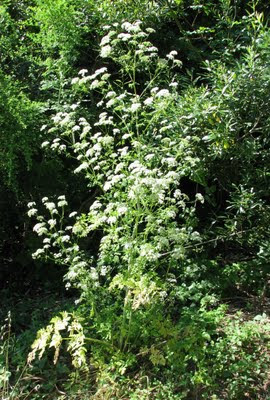
Hemlock was and is found throughout most parts of England and Europe. It’s prevalent in neglected meadows, along hedge banks and near the borders of hemlock(c)AndrewGaggsteams. Hemlock is a member of the parsley family along with fennel, parsnip and carrot.

It ancient times, the plant was prepared into a drug and administered in minute amounts as an analgesic. But the plant (poison hemlock or conium maculatum) is so poisonous that just a few drops could be fatal to small animals.

Every part of the hemlock plant contains the lethal alkaloid coniine,Hemlock2 especially the fresh leaves and the fruit. Coniine is a volatile, colorless, oily liquid. It’s strongly alkaline, bitter to the taste and with a disagreeable odor (said to resemble a “mouse-like” odor).

As an analgesic drug, the preparer would use fresh flowering plant parts, including the roots, and macerate them in alcohol before diluting to therapeutic dosages. Hemlock is used today in homeopathic remedies as a sedative and antispasmodic, and it has been used as an antidote to strychnine poisoning, tetanus and other similar poisons in the past.

Prepared hemlock, however, has a very narrow therapeutic window and more concentrated preparations can quickly turn from a beneficial drug to a deadly weapon. It is said that a lethal dose of prepared hemlock is a mere 100mg, or about 8 fresh leaves of the plant.

Overdoses of the drug produce total paralysis of the body with an initial loss of speech and respiratory distress. Early signs of overdose include excessive salivation (drooling), dilation of the pupils, and small muscle twitches all over the body before paralysis sets in.

MH900438746Eventually, all respiratory function ceases and the person dies from asphyxia. An interesting effect is that the mind remains unaffected and is active until the time of death, so the person is aware of the body shutting down and experiences the effects of medicinal suffocation to the very end. Hemlock murder is definitely not a peaceful death.

In modern times, hemlock poisoning has been used in murder plots both in literature and on film. And periodic news reports describe murders using hemlock as the lethal poison.

Interestingly, poison hemlock was brought to the United States from Europe as an ornamental plant in the late 1800s and now grows throughout North America. It is most commonly found in the lower elevations and coastal regions of California.

Socrates once said that the only thing he really knew was that he knew nothing at all. In our modern age of instant, electronic knowledge gathering, we can become experts in almost anything in a short amount of time—even learning the proper way to prepare poison hemlock and for describing that perfect, dramatic murder scene using an ancient poison in a modern setting.

Thoughts? Comments? I’d love to hear them!

Posted in About James J. Murray, About Medications/Pharmacy, About Murder, About Writing, Acute Poisons, Blog Trends, Blogging, Bloodless Death Scene Writing, Bloodless Death Scenes, Botanical Murder Weapons, Developing Story Plots, Developing Storyline Ideas, Drug Poisoning, Drugs For Murder Plots, Drugs Used For Murder, How To Write A BloodLess Murder Scene, Ideas for Murder Scenes, Instruments of Death, Interesting Murder Weapons, Killing With Poisonous Plants, Murder With Poisonous Plants, Plants Used For Murder, Plotting Murder Scenes, Poison Hemlock as a Method to Kill, Poison Hemlock as a Murder Weapon, Poisons Used For Murder, Socrates and Hemlock, Socrates and Murder, The Science of Murder, Tools of Fiction Writing, Tools of Murder, Ways To Kill, Ways to Murder, Writing Death Scenes | Tagged , , , , , , , , , , , , , , , , , , , , , , , , , , , , , , , , , , , | 4 Comments

Allergic to Murder!

We all know that poisons and toxins can kill. I’ve blogged about those often, and such lethal chemicals create interesting focal points for murder scenes and the basis for enticing murder plots.

But an unsettling reality is that normal foods can kill also. We’ve seen newsMH900406537 reports of contaminated food products being recalled because the food contained lethal bacteria.

However, there’s another side to the story of lethal foods. Food allergy issues can cause severe allergic reactions, and the statistics on such reactions are staggering.

Food allergies affect over 15 million Americans, and every three minutes a food allergy sends an American citizen to the emergency room.

One in 13 children are included in this category—roughly two in an average American classroom—and nearly 40% of these children have experienced a life-threatening reaction called anaphylaxis. This rapidly progressing allergic reaction, if left untreated, would likely lead to death with initial symptoms that include a severe rash, plummeting blood pressure, swelling in the oral mucosa and closure of the airways.

MH900448407When a severe food allergy leads to anaphylaxis in a child, the entire family is impacted. The best prevention is knowledge and preparation, and every parent should go to Anaphylaxis 101 for a short education regarding food allergies, what symptoms to look for and what to do if a severe reaction should occur.

Researchers tell us that the numbers of people with food allergies are increasing significantly—an 18% jump in the decade between 1997 and 2007—and that peanut allergies have tripled. Scientists theorize that our “cleaner society” prevents ourMH900177951 children from being exposed to the common environmental and food-borne irritants that older generations experienced, and that fact may explain the increase in allergic events.

Besides peanuts, some of the more common causes of severe food allergies include shellfish, wheat, soy, milk and eggs.

In 2012, the Food Allergy Research and Education (FARE) organization was established to address the need for a cure to lethal food allergies. The focus of FARE is increased awareness of this growing problem and the need for increased education about the impact of food allergies.

Having lived through a severe, nearly lethal allergic reaction to a medication when I was a child, I have personal knowledge that an anaphylactic reaction is a frightening experience—one that will stay with you for the rest of your life.

As a writer, however, I can tap into that frightening experience and use severe food and drug allergies as the basis for murder scenes. We only have to search through news articles to find creative ways to use severe allergies as a murder weapon.

In researching such articles, I found that a husband tried to kill his wife by smearing a door handle with peanut oil to trigger the wife’s severe allergy to peanuts. Another tapped MH900202201into the fact that his ex-wife was severely allergic to latex and inserted a latex-gloved finger into her mouth until she had a life-threatening reaction. Both husbands were arrested and charged: the first with criminal harassment and the second with attempted murder.

However, recent statistical data tell us that a person is more likely to be murdered than to die of a food allergy. As murder mystery writers, we can certainly increase those odds by combining the two into one spectacular event.

Thoughts? Comments? I’d love to hear them!

Posted in About James J. Murray, About Medications/Pharmacy, About Murder, All About Murder, Anaphylaxis, Blog Writers, Blogging, Bloodless Death Scene Writing, Bloodless Death Scenes, Characteristics of Murder, Chemicals Used For Murder, Common Food Allergies, Developing Story Plots, Developing Storyline Ideas, Foods and Lethal Allergic Responses, Foods That Kill, Foods Used For Murder, Ideas for Murder Scenes, Instruments of Death, Killing a Villain in a Novel, Killing Off Characters in Your Novel, Lethal Food Allergies, Murder With Food, Peanut Allergies, Peanut Oil as a Poison, Plotting Murder Scenes, Severe Allergies Used For Murder, Severe Food Allergies, The Art of Storytelling, The Art of Writing, The Science of Murder, Tools for Murder, Ways To Kill, Ways to Murder, Writing Death Scenes | Tagged , , , , , , , , , , , , , , , , , , , , , , , , , | 3 Comments

DEVIL’S BREATH – A New Global Threat!

This interesting chemical is alternately known as “the most dangerous drug in theMH900448711 world” and “the scariest drug in the world.”

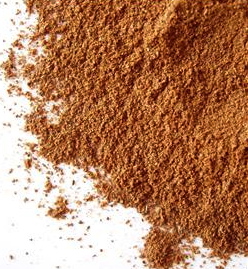
Devil’s Breath is a powerful drug that is currently being dealt with on the streets of Columbia. It’s a strong hallucinogenic and an amnesiac. It’s highly addictive and can be deadly.

Usually in the form of a powder, Devil’s Breath comes from the borrachero tree, a botanical in Columbia with a name that loosely translates into “the-get-article-2143584-130FB037000005DC-752_634x514you-drunk” tree. This plant blooms with deceptively beautiful white and yellow flowers.

The drug is said to be so powerful that within minutes of administration, people turn into zombie-like creatures. The victims remain coherent, but they become child-like and have no free will.

Columbian drug gangs are using this drug, and its interesting side effects, as an innovative and lucrative new business, and stories of victims of these gangs are becoming urban legends.

People have been raped, robbed, forced to empty bank accounts, and even coerced into giving up body organs while under the drug’s influence. One man even killed while under the influence.

The substance is odorless, tasteless and is especially easy to administer either by inhalation or ingestion. In large doses, it can be deadly.

An often-used method of administration is to blow the powdered drug into the face of a42-15655456 passer-by on the street. Within minutes, the victim is under the drug’s influence and loses all capacity for rational thinking. The victim is turned into a complete mental zombie and the memory process of the brain is blocked.

While under the influence, the victim is easily controlled by suggestions and verbal commands to perform unspeakable acts. People have even been known to help robbers steal valuables from the victims’ own homes or hotel rooms.

After the drug wears off, victims have no recollection of what happened, what they did under the influence and cannot even identify the people responsible for administering the drug in the first place.

Interestingly, in ancient times the drug was administered to the mistresses of dead Columbian leaders. The women were given the substance, told to enter their master’s grave and were then simply buried alive and forgotten.

As with many botanical substances that are used for illicit purposes, this chemical also has MH900399267beneficial effects. In fact, the chemical is marketed in the United States under the name scopolamine and hyoscine. Cruise ship travelers might even use this chemical in the form of a scopolamine patch for seasickness.

So, for a very unique method of controlling a character in your novel (or possibly your spouse), blow a little Columbian Devil’s Breath into their face. They’ll never remember what was asked of them or what they did as a result.

Thoughts? Comments? I’d love to hear them!

Posted in A New Street Drug, About James J. Murray, About Medications/Pharmacy, Almost in a Vegetative State, Blog Trends, Blog Writers, Blogging, Bloodless Death Scene Writing, Borrachero Tree Drug, Chemicals Used For Murder, Columbian Drug Business, Columbian Drug Trends, Columbian Street Drug, Deadliest Drugs in America, Deadliest Drugs in US, Designer Drug Deaths, Developing Story Plots, Developing Storyline Ideas, Devil's Breath, Difficult to Solve Murders, Drugs and Amnesia, Drugs and Zombie-Like States, Drugs That Create Memory Loss, Drugs That Mimic Death, Drugs Used For Murder, Ideas for Murder Scenes, Instruments of Death, Interesting Murder Weapons, Internet Drugs, Most Dangerous Drug in the World, Murder without Evidence of Foul Play, New Methods To Kill Characters in Your Novel, Plants That Kill, Plants Used For Murder, Psychoactive Designer Drugs, Scariest Drug in the World, Street Drug Abuse Substances, Walking Dead in Writing, Zombie Drugs | Tagged , , , , , , , , , , , , , , , , , , , , , , , , , , , , , | 4 Comments

Brain-Eating Amoeba

As we wind down our summer activities, I recall seeing several cases in the news of people thacquiring serious infections from swimming in contaminated lakes and improperly treated pools. These events remind me of the lethal dangers of recreational water illnesses (RWIs).

The Centers for Disease Control and Prevention (CDC) estimate that one in eight public swimming pools are unsafe because of improper chlorination procedures.

Serious illnesses can result and these include gastrointestinal, skin, ear, respiratory, eye and even neurological infections. The most common symptom of such contamination is diarrhea, but any of these symptoms can turn lethal if not properly treated.

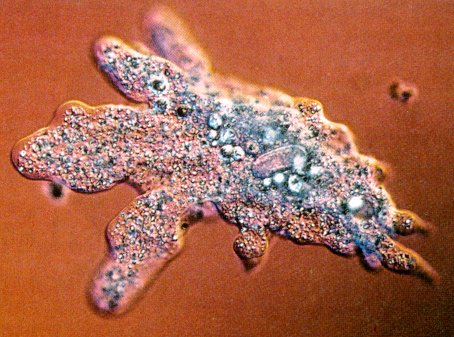
Of all the infections that one can get from summer activities, there is one in particular thatamoeba is as lethal as any I’ve come across. The disease is called primary amoebic meningoencephalitis, or PAM for short. Fortunately, PAM is rare and only 128 cases have been reported in the United States between 1962 and 2012.

The bad news is that of those 128 cases, there was only one survivor. PAM is a devastating infection of the brain caused by the free-living Naegleria fowleri organism. It’s been called the “brain-eating amoeba” in the media because the organism enters the body through the nose and travels up the olfactory nerve to the brain. It then causes the often-fatal PAM.

The Naegleria fowleri amoeba is found in warm freshwater (such as lakes, streams and hot springs) and the infection occurs when people go swimming or diving in MH900430603these waters. PAM can occur also from inadequately chlorinated swimming pools. Infections could even result from contaminated tap water if an individual uses the water to flush out the nose, as in using a neti pot for sinus irrigation.

Most infections occur in southern-tier states, with more than half of the occurrences in Texas and Florida, but cases have been identified in Louisiana after the hurricane Katrina hit the area. Aside from such a natural disaster, the PAM infection disproportionately affects males and children, probably as a result of their more aggressive water sports activities.

The infection presents much like bacterial meningitis. Symptoms include severe headache, fever, vomiting, neck stiffness and seizures. The most important medical clue leading to a proper diagnosis of PAM, however, is if the patient presents with the above-mentioned symptoms AND, in the two weeks prior to symptom onset, the patient swam in a freshwater lake, river or stream.

The only certain way to prevent this amoebic infection is to refrain fromMH900442342 swimming in warm freshwater. Barring that, there are several preventive measures one can take to reduce the risk of contracting this disease. You could hold your nose shut while diving into freshwater or use nose clips when swimming in these waters. The best safety measure is to keep your head above water at all times when enjoying outdoor water sports. And never put your head under water when soaking in natural hot spring pools.

Additional advice is to resist digging into or stirring up the sediment in shallow freshwater. The sediment is a perfect breeding ground for such amoeba. And when irrigating the sinuses with tap water, be sure to boil the water first for at least one minute (or for three minutes at elevations higher than 6,500 feet). And always allow the water to cool before use.

These measures may seem drastic, but a PAM infection is nearly ALWAYS FATAL, so act cautiously to ensure your safety against this lethal organism.

Thoughts? Comments? I’d love to hear them!
Posted in About James J. Murray, Amoeba and PAM, Biological Weapons, Blog Trends, Blog Writers, Blogging, Brain Eating Ameba, Brain Eating Amoeba, Contaminated Fresh Water, Deadly Amoeba, Developing Story Arcs, Developing Story Plots, Developing Storyline Ideas, Difficult to Solve Murders, Fatal Amoebic Infections, Fatal Brain Infections, Freshwater Lethal Infections, Freshwater Microbes, Freshwater Sports Dangers, Improperly Chlorinated Pools and Death, Infections From Fresh Water, Infections From Katrina, Instruments of Death, Interesting Murder Weapons, Killing Off Characters in Your Novel, Killing With Lethal Microbes, Microbes Used To Murder, Naegleria fowleri, New Methods To Kill Characters in Your Novel, PAM, Plot Development, Plot Ideas and Where They Come From, Primary Amoebic Meningoencephalitis, The Next Big Thing, Tools of Murder, Water Poisons, Weapons From the Sea | Tagged , , , , , , , , , , , , , , , , , , , | Leave a comment

Laughing Man

It’s been said that the best fiction is based on fact. And, no matter how large or small that books-oldtidbit of information is, it plants the seed that the writer develops as the story arc. It’s the spark that creates the basis for the storyline and it’s the anchor that keeps the story focused.

Often I’ve joked to my fiction writer friends about the stories I create. “You just can’t make this stuff up,” I say, and they smile and I get nods of agreement all around.

But where do these crumbs of fact come from that fester into plots? I either findMH900070935 an interesting newspaper article, an online piece about some new scientific research or I develop a story around something that I’ve experienced—and then embellish on those facts to create believable fiction.

And that’s simply what good fiction really is—a believable lie!

So when I was traveling back from New England recently, I experienced something quite unique that became the seed for a sinister new short story.

It happened while my wife and I were having lunch at an airport. We were seated at a table toward the back of a restaurant off the main concourse. Shortly after we were seated, another person sat at the table next to us.

This fortyish man first ordered food, then placed an ear bud into each ear and connected them to his cell phone. Next he made a call. About that time, another gentleman—this one a twentyish-looking kid—sat at the table adjacent to the fortyish man such that they were facing each other.

The young man ordered and the waiter left his table. Suddenly my wife and I heard the young traveler start to giggle. There was a perplexed look on my wife’s face as she said, “How odd. That young man is looking straight at the guy next to us and giggling.”

I looked to my side, to the fortyish man next to us. He was obviously talking on the phone, but he stopped talking and smiled along with the man giggling. Laughter is often infectious and one cannot help but smile or laugh when someone else laughs. The fortyish man, however, stopped smiling and grew perplexed when the younger man started laughing out loud.

I asked my wife, “Is that kid talking on the phone?”

4460987120_dbcc3d3a88_z“No,” she said. “I don’t see a phone on the table, and there are no ear buds or blue tooth device in either ear. He’s laughing at the man next to us. He’s staring straight at the guy and laughing.”

I gazed over at the man next to us as I heard the chuckles behind me evolve into gales of laughter. Fortyish Man seemed irritated and said as much to whomever he was talking to on his phone, but then he tried to ignore Laughing Man and simply looked down at the table.

But Laughing Man kept at it. He started giggling so hard that others in the restaurant turned to stare at him. The laughter stopped momentarily while his food was served, but then he started up again. It began with some intermittent giggles between bites and then his chuckles cascaded into gales of belly-jiggling laughter that was heard around the restaurant. At that point, the man next to us threw up his hands and asked, “Okay, what’s so funny, man?”

This only encouraged more laughter, but it also brought over the waiter who unsuccessfully tried to quiet the man. Finally, the manager came over and asked the guy to leave. The manager instructed the waiter to package up the man’s food and to prepare his bill.

As my wife and I watched with astonishment, Laughing Man continued chuckling as he paid the bill. We saw the waiter roughly wrap the guy’s food in tin foil and stuff it into a to-go box. Laughing Man took one more look at the man seated next to us and let out another gale of laughter before he turned and walked out of the restaurant.

At that point, Fortyish Man turned to us. “What was with that guy? What did I do?” We confirmed that it was one of the strangest things we’d ever seen, and then all three of us focused on our meals once again and ate in peace.

As I paid the bill and we gathered our carry-on bags, my wife turned to me and said, “You know, you always tell me that there’s a story hidden somewhere in everything. I think we just observed a short story that you should write.”

And that’s exactly what I did. We walked to the nearest airport lounge and settled intoMH900443125 some chairs for another hour to wait for our flight—an hour that I used to outline a short story, a bit more sinister one I might add than the actual event that we witnessed.

The short story is now complete and it has a name. I call it Laughing Man. One of these days I’ll publish a collections of short stories and this one will definitely be included.

Thoughts? Comments? I’d love to hear them!

Posted in About James J. Murray, About Writing, Accuracy in Writing, Airplane Murders, All About Writing, Blog Writers, Blogging, Character Development Techniques, Characteristics of a Fictional Character, Developing a Writing Career, Developing Better Writing Skills, Developing Story Arcs, Developing Story Plots, Developing Storyline Ideas, Fiction Based on Facts, Fiction Based on Real Life, Ideas for Murder Scenes, Interesting Event and Ideas Develop into Short Stories, Mastering Your Craft, Plot Ideas and Where They Come From, Plotting Short Stories, Short Story Development, Sources of Story and Plot Ideas, Story Development, The Art of Storytelling, The Art of Writing, Tools of Fiction Writing, Writing Skills, Writing Techniques | Tagged , , , , , , , , , , , , , , , , , , , , , , | 4 Comments