Inert Gases Can Lead To Murder!

Awhile back, I saw an interesting murder plot on television. The scenario involved a Vault-0003awealthy man who had his home office designed such that it was similar to an impenetrable vault—both for security and privacy purposes. The room was so secure that it had its own air supply and other essential life-sustaining amenities for extended periods of work.

However, this well-designed, perfectly secure room became a murder weapon MH900297789in itself because someone who was displeased with the man added a halon gas canister to the ventilation system. The man was murdered by asphyxiation when the gas canister was remotely activated and halon gas was pumped into the room. This action temporarily replaced the room’s normal atmosphere, thus depriving the man of life-sustaining oxygen.
As you can imagine, it took considerable time and a complicated investigation to determine the cause of death since the room was locked from the inside and there was no evidence of foul play.

Of course, I made some notes during the show and decided to research halon gas!

I found that, for a long time, halon gas was actually the gold standard of fire-suppressant systems for enclosed areas such as bank vaults, museums and other secure areas that contain high-value assets that could be damaged by traditional water-based sprinkler systems. Although, the halon in the TV plot was not part of a fire suppression system for that man’s office, it was attached to the fresh air supply used specifically for his office space.

And I also learned that halon gas production was banned in many countries between 1989 and 1994 when it was discovered that halocarbon agents depleted the ozone layer. Existing halon-based fire suppression systems are still permitted, and recycled halon gas is allowed for maintenance and to refill these systems as needed, but no new halon systems can be constructed.

So my idea of a storyline involving halon gas became less feasible, since halon is not asMH900048773 available as it used to be, and I decided that the TV show writers were possibly working from older research data.

That’s when I decided to dig deeper and search for halon replacement products. I discovered that, after halon was banned, other “clean agent” systems were developed that reportedly have no known ozone-depleting capacity. And these systems are installed now in place of, or as replacements for, halon-based systems.

These mainly include various inert gas fire suppression systems that utilize nitrogen, argon or carbon dioxide—plus a few other inert elements that appear to be more difficult to use.

MH900313889Nitrogen, argon and carbon dioxide naturally occur in the atmosphere, they do not harm the environment and are not toxic to humans (at least to the extent regarding residues on surfaces after their use).

But it’s perfectly feasible that any of these three gases could be used in a murder plot in much the same way as halon gas was used in that TV program. Flood a secure, sealed area with one of these gases and any human within that environment would die from oxygen depletion since the gases replace the regular room air to suppress fires without damaging valuables. This effect requires an airtight environment, of course, and that is termed “enclosure integrity.”

An interesting advantage of these inert gases is that the gas canisters that contain them can be located much further away from the protected enclosure than halon canisters. These inert gases flow much better inside suppression system piping and can be located up to 400 feet away from the area to be protected against fire.

This fact makes it easier for the villain in your murder plot to have access to the equipment that supplies air to the secure area to add an inert gas canister, or to activate an inert gas fire suppression system even without starting a fire. Of course, all this can be activated remotely.

So the next time you need a character killed in one of your stories you mightMH900443125 consider placing that character in a room or vault that can be sealed off rapidly before the character can escape and then remotely activate the fire suppression system or attached gas canister to flood that area with one of these inert gases.

The cause of death will be asphyxiation (suffocation/oxygen-depletion) but without an obvious source and with no external evidence of trauma or foul play.

Thoughts? Comments? I’d like to hear them!

Please Tweet/Repost: Inert Gases Can Lead To Murder: http://wp.me/p2knuT-qw

Posted in About James J. Murray, About Murder, About Writing, All About Murder, Blog Writers, Blogging, Bloodless Death Scene Writing, Bloodless Death Scenes, Characteristics of Killing, Characteristics of Murder, Chemicals Used For Murder, Deadly Inert Gases For Fire Suppression, Developing Better Writing Skills, Difficult to Solve Murders, Fire Suppression Systems Used for Murder, Halon Gas and Murder, How To Write A BloodLess Murder Scene, Ideas for Murder Scenes, Inert Gases and Murder, Inert Gases and Murder Plots, Instruments of Death, Killing a Villain in a Novel, Killing Off Characters in Your Novel, Murder without Evidence of Foul Play, New Methods To Kill Characters in Your Novel, Plotting Murder Scenes, Secure Room as a Murder Weapon, The Science of Murder, Tools of Murder, Unique Murder Plots, Ways To Kill, Ways to Murder, Writing Death Scenes | Tagged , , , , , , , , , , , , , , , , , , , , , , , , , , | 5 Comments

The Most Popular Drug In The World!

MH900308894In many of my blogs I’ve written about legitimate drug trends as well as fascinating new, and illegal, street drug concoctions. But there is one drug that has remained at the top of the popularity chart for centuries!

It’s been called the oldest and best-known drug in the world! It still ranks as one of the top stimulant drugs across the globe and is valued highly in many cultures.

If you’ve guessed caffeine, than you’d be absolutely correct. As I take a moment to sip from my cup, I realize that nothing quite puts me “in the zone” like a swallow of my favorite morning java.

Caffeine was first isolated from coffee in 1820, confirming that the mood andestate_kona_cat__pg_roasts behavior altering properties of coffee and tea were actually the result of the caffeine contained within those beans and leaves. And the love affair with this tantalizing chemical has not waned over the centuries. In our modern world, we’ve even found ways to create interesting cultural behaviors around the drug (from the smoke-filled coffee houses of the past to today’s gourmet coffee hangouts).

Arguably, caffeine is one of the most widely used, and one of the most accepted, addictive drugs in the world. Whether it comes in the form of coffee, tea, chocolate, various kola nut products, guarana fruit, yaupon holly leaves or yerba matte, caffeine is responsible for waking up the world’s population and giving them that periodic and predictable “jolt” throughout the day to keep people alert and productive.

There are even cottage industries which shortcut the “waking up process” by adding substantial caffeine into breakfast foods, like muffins and even brownies, so that the morning jolt of caffeine also becomes the food of choice to start the day.

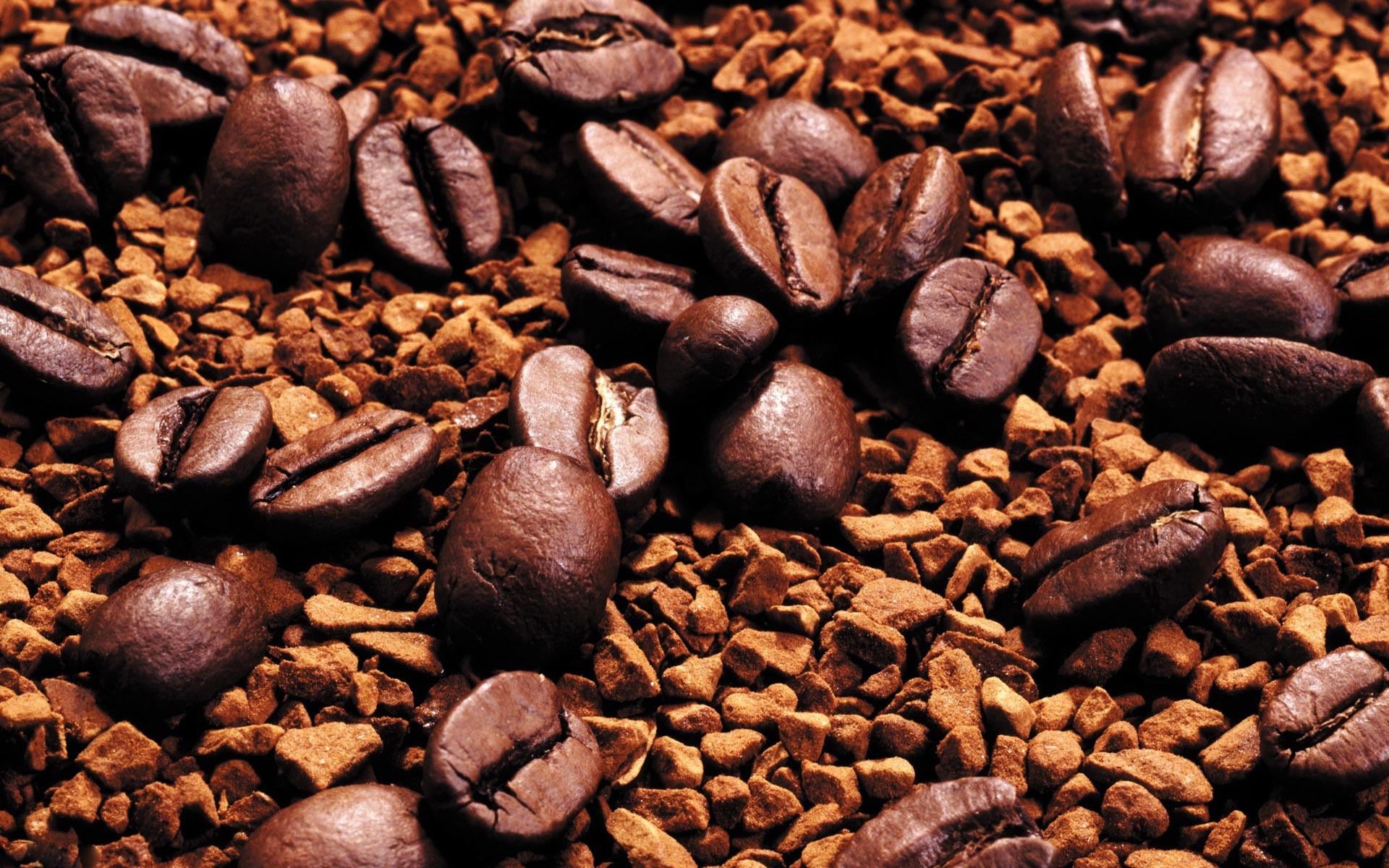
The FDA states that an intake of up to about 400mg per day of caffeine is safe, or coffee-beans-1214at least not associated with any negative health effects. However, studies show that anyone who regularly consumes as little as 300mg of caffeine per day (about 3 cups of regular drip coffee) will experience withdrawal symptoms if they abruptly cut off their caffeine intake.

An interesting recent evolution, however, has begun to invade the world of coffee products. Now it’s possible to bypass the entire process of prepackaged caffeine-laced food and drink products and buy Pure Pharmaceutical Grade Caffeine Powder online in sizes ranging from a third of an ounce (10 grams) to more than two pounds (1kg).

Pharmaceutical grade caffeine is extremely potent with a suggested serving size of only 1/16th of a teaspoonful (equivalent to about 2 cups of coffee). The predominant use for such a pure product is for athletes and body builders to use the chemical for its performance enhancing qualities and stimulation of fat loss. The product even comes with a small measuring device so that one can measure out a 250mg serving. Athletes use one to two scoop measures about a half hour before weight training to increase their workout intensity or about three hours before an aerobic workout to maximize fat burning.

The problem arises when this readily available product falls into the hands of people less knowledgeable about the lethal effects of pure caffeine powder. A lethal dose of pure caffeine is said to range from 150-200mg per kg of body weight (or about 10-15gms of pure caffeine powder—a mere large spoonful).

The product looks innocent enough. It appears as a bitter-tasting white powder that lookswhite_powder similar to cornstarch. It mixes moderately in water-based liquids at room temperature and is readily soluble in boiling water.

The taste is easily disguised when mixed in flavored food or drinks. In fact, news reports state that people from early teens to advanced adulthood have died as a result of pure caffeine mixed into the products they consume.

Recently, a teenage boy died after consuming 1 teaspoonful of pure pharmaceutical grade caffeine mixed in a liquid. That amount of stimulant translates to consuming over 30 cups of coffee in a short period of time—well above the lethal limit.

Death often results from heart failure since the stimulant drug causes such a rapid heart beat that the heart muscle simply cannot keep up the pace.

So if you’re looking for an interesting—yet easily available and easy to use—murder weapon/drug for your next storyline, pure pharmaceutical grade caffeine may be the answer.

Coffee-CupBut for a quick “pick-me-up” to write that story, be sure to reach for a second cup of java rather than for a teaspoonful of caffeine powder, no matter how easy or how inexpensive it is to find on the Internet.

Thoughts? Comments? I’d love to hear them!

Please tweet: The Lethal Qualities of Caffeine Exposed! http://bit.ly/1nEoXOH

Posted in A New Drug Abuse Threat, About James J. Murray, About Medications/Pharmacy, About Murder, About Writing, All About Murder, Best Known Drug in The World, Blog Writers, Blogging, Bloodless Death Scene Writing, Bloodless Death Scenes, Caffeine Health Benefits and Risks, Characteristics of Killing, Characteristics of Murder, Columbian Street Drug, Deadly Caffeine, Deadly Drugs in America, Death from Pharmaceutical Grade Caffeine, Drugs For Murder Plots, Drugs Used to Murder, Ideas for Murder Scenes, Instruments of Death, Interesting Murder Weapons, Killing Off Characters in Your Novel, Lethal Caffeine, Most Addictive Drug in the World, Most Popular Drug in The World, Most Used Drug in the World, Murder With Drugs, Oldest Drug in the World, Pharmaceutical Grade Caffeine Availability, Pharmaceutical Grade Caffeine Dosing, Pharmaceutical Grade Caffeine Uses, Plotting Murder Scenes, Prescription For Murder Blog, Pure Pharmaceutical Grade Caffeine, The Science of Murder, Tools of Murder, Top Stimulant Drug in The World | Tagged , , , , , , , , , , , , , , , , , , , , , , , , , | 5 Comments

Walking Corpse Syndrome

I admit that both my wife and I love to watch some of the medical thrillers and policehd_tv procedural shows on television. We record them and, when time permits, we take a break from life and immerse ourselves into the world of make-believe.

It’s interesting that I describe these shows as “the world of make-believe” because the best fiction plots these days usually are based on facts.

MH900438746An especially interesting new show this season is called Black Box. Its central theme involves the practice of neuroscience, which I’ve blogged about often in the past (Here, Here and Here).

A particular episode fascinated me because one of the patients Dr. Black treated was convinced that he was dead—he was certain that he had died and transitioned to a “walking dead” state. Since researching this subject, I’ve discovered that other TV programs have used this mental illness as a plot premise, as in one of the more popular episodes of Scrubs.

In 1880, the neurologist Jules Cotard described this mental disorder as “The Delirium of Negation” and the disease has since been alternately named Cotard’s Syndrome, Cotard Delusion and Walking Dead Syndrome.

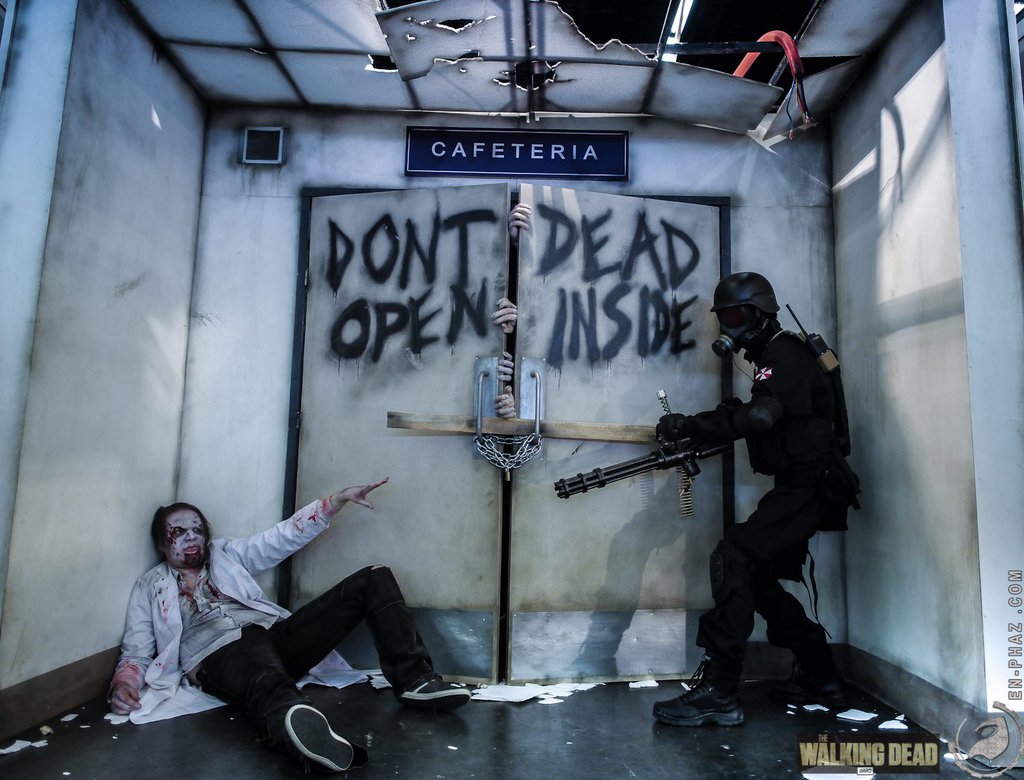
The simple definition of Cotard’s Syndrome is that a person thinks that he or she is alreadydead_walking_by_joe_roberts-d58qa4s-1 dead but still maintains the capacity to move around. The patient walks aimlessly with no purpose and with no interest in sleep, so the person feels trapped in a zombie-like state of existence.

People afflicted with this mental disease have a strong delusion that either they have already died, do not exist or that their blood and/or internal organs have been lost. Some of the patients with this mental disease also believe that they have lost various body parts or insist that they have lost their soul.

With this disorder, people have trouble performing simple personal hygiene tasks such as bathing or brushing their teeth. They are unable to conduct day-to-day work activities or perform any kinds of actions that normal people do. They withdraw from the world, thinking that their bodies are decaying and putrefying, and their minds even delude them into seeing the process of decay when they look at their reflection in a mirror. They often do not eat, drink, speak much or interact with others.

Patients with Cotard’s Syndrome have been shown to spend considerable time in a graveyard because that is where they believe they should be.

hunk_walking_dead_by_redkojimax-d6d73duThere were over 1,000 cases documented in 2013. And, although Cotard’s Syndrome was not included in the 1994 nor the 2000 edition of the Diagnostic and Statistical Manual of Mental Disorders, it was included in the tenth edition of the International Statistical Classification of Diseases and Related Health Problems of the World Health Organization, in which “Cotard Delusion” is identified as a disease of human health.

Cases have been reported in patients with mood and psychotic disorders, and the psychiatric syndrome has varying degrees of severity. Mild cases exhibit as despair and self-loathing, and more severe cases are characterized by intense delusions of non-existence and chronic psychiatric depression.

A recent study of a Cotard’s patient showed that the PET scan of the person’s brain indicated low metabolic activity. Additionally, large parts of the patient’s frontal lobe (which controls attention, memory and motivation) and the parietal lobe (sensory perception) of this patient’s brain had almost no activity—a condition common to people in the vegetative state.

The cause of Cotard’s Syndrome is still unknown, but one famous case was the vocalist in a black metal band called Mayhem and the vocalist developed Cotard’s after he was resuscitated following a serious auto accident.

What is known is that most cases of Cotard’s are more responsive to electroconvulsive treatment (ECT) than to pharmacological therapies. Follow-up psychotherapy with antidepressants, antipsychotics and/or mood stabilizers has proven to be beneficial, however, in restoring a positive self-image for these patients as well as a more normal hopefulness about their future.

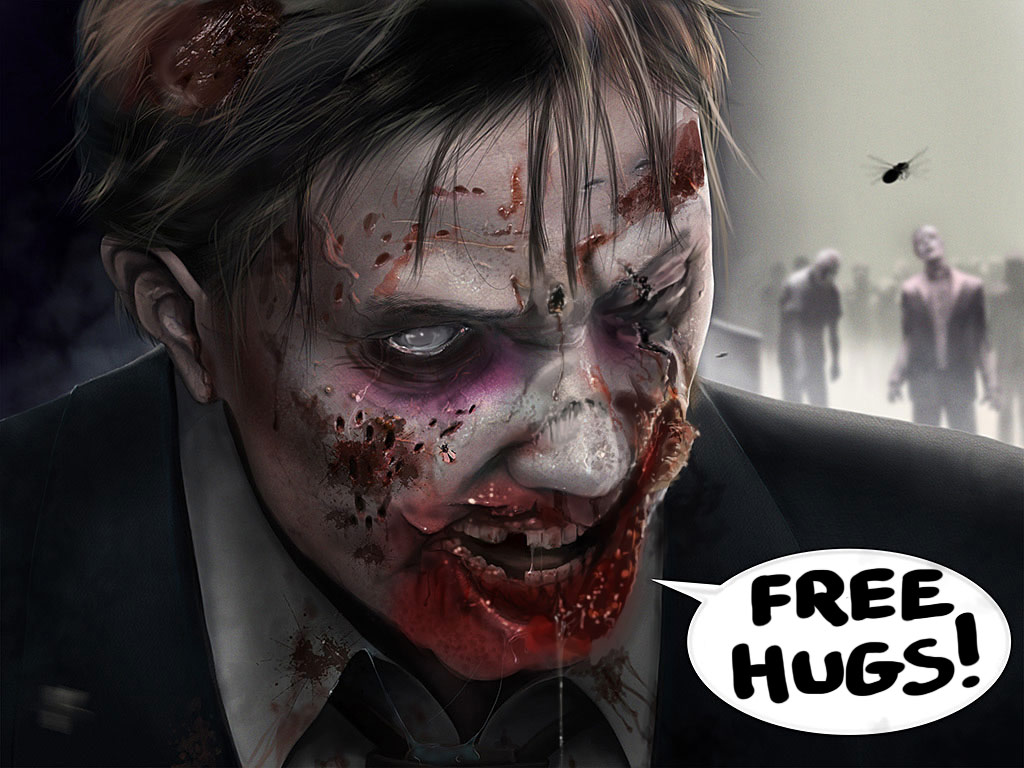
So, if you’re looking for a zombie-like plot scenario but want a morezombie_by_hokunin-d1ruvah scientifically-based rather than science fiction-based approach, than look into Cotard’s Syndrome for a reasonable explanation of your next walking corpse character.

Thoughts? Comments? I’d love to hear them!

Posted in A Non-Murder Plot, About Medications/Pharmacy, About Murder, About Writing, Accuracy in Writing, Almost Dead, Almost in a Vegetative State, Blog Writers, Blogging, Bloodless Death Scenes, Character Development Techniques, Characteristics of Killing, Cotard Delusion, Cotard's and Body Dysmorphic Disorder, Cotard's and Distorted Body Image, Cotard's Syndrome, Developing Better Writing Skills, Fictional Character Development, Ideas for Murder Scenes, Jules Cotard, Living Dead Disease, Neuroscience, Neuroscience and Murder, People Who Live in a Graveyard, Plot Development, Plotting Murder Scenes, Science-Based Zombies, The Delirium of Negation, The Medical Zombie State, The Psychology of Murder, The Science of Murder, The Walking Dead, The Walking Dead Syndrome, The Zombie Disease, Treatments for Cotard's Syndrome, Treatments for Walking Dead Syndrome, Walking Dead in Writing, Zombie Wannabe | Tagged , , , , , , , , , , , , , , , , , , , , , , , , , , , , , , , , , , , , | 4 Comments

The Narcissus Plant – Pretty But Deadly!

I’ve blogged before about some deceptively attractive plants that can be lethal when ingested, and I’ve recently discovered one more to add to the list.

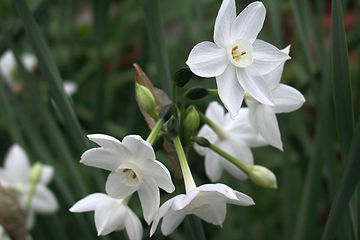
Parts of the beautiful, flowering narcissus plant can be quite poisonous and Narcissusdeadly! Narcissus is a popular ornamental plant for personal gardens, community parks and as cut flowers in the spring and early summer. But it can be as toxic as it is beautiful and is on the list of the top ten most poisonous plants in the world.

The Tulipa/Narcissus plant species, with up to 60 different varieties, originally came from1024px-Narcissus_white Holland. This plant is commonly known by its three most popular varieties: the narcissus, the jonquil and the daffodil. All species of the narcissus plant family, however, contain a common deadly element: the poison lycorine.

Lycorine is a toxic crystalline alkaloid that is highly poisonous, and can be fatal if enough of the plant is ingested. Lycorine is found mostly in the bulbs of the narcissus plant family, but it is also present in the leaves.

This alkaloid inhibits protein synthesis. Depending on the amount consumed, the poison can produce intense gastrointestinal irritation, drooling, loss of appetite, headaches, low blood pressure, central nervous system depression, convulsions and cardiac abnormalities. If someone is given a large enough dose, death could result.

The Handbook of Poisonous and Injurious Plants by Lewis S. Nelson et al describes the symptoms of narcissus poisoning well and warns that children under six are especially vulnerable.

An interesting side note is that florists who handle the plant’s leaves often thdevelop a stubborn dermatitis. The condition is called “daffodil itch” and the symptoms include dryness, skin cracking and fissures, scaling and extreme redness of the skin. There is also an accompanying thickening of the skin beneath the nails from exposure to the plant’s sap.

The daffodil variety of Tulipa/Narcissus is responsible for many accidental poisonings since the daffodil bulbs look so similar to onions and might mistakenly be substituted in cooking for onions. There is evidence in literature that consumption of one or two daffodil2836068-daffodil-bulbs bulbs could prove lethal for the average adult human.

On May 1st, 2009 school children at a primary school in Martlesham Heath, Suffolk, England became seriously ill after a single daffodil bulb was added to soup by mistake during a cooking class.

So the next time you’re searching for an interesting method to kill off a character in your story, have another character cook up a batch of onion soup using several daffodil bulbs instead. The soup will be deliciously deadly!

Thoughts? Comments? I’d love to hear them!

Posted in About James J. Murray, About Murder, About Writing, All About Murder, All About Writing, Blog Writers, Blogging, Bloodless Death Scene Writing, Bloodless Death Scenes, Botanical Murder Weapons, Chemicals Used For Murder, Common Varieties of Narcissus Plant Family, Contact Poisons, Daffodil Plant Dangers, Deadly Daffodil Bulbs, Deadly Poison Lycorine, Developing Writing Skills, Drug Poisoning, Drug Poisoning in Children, Drugs For Murder Plots, Drugs Used to Murder, Eating Poisonous Plants, How To Write A BloodLess Murder Scene, Ideas for Murder Scenes, Interesting Murder Weapons, Jonquil Plant Dangers, Killing a Villain in a Novel, Killing Off Characters in Your Novel, Killing With Poisonous Plants, Murder Weapons, Murder With Drugs, Murder With Poisonous Plants, Narcissus Plant Dangers, New Methods To Kill Characters in Your Novel, Plant Poisons, Plants That Kill, Plants Used For Murder, Plotting Murder Scenes, Poisonous Daffodil Bulbs, Poisonous Narcissus Plant, Poisonous Plants, Poisons Used For Murder, Prescription For Murder Blog, The Science of Murder, Top 10 Most Poisonous Plants, Ways to Murder | Tagged , , , , , , , , , , , , , , , , , , , , , , , , , , , , , , , | 11 Comments

Flesh-Eating Crocodile – A New Drug Threat!

From the title of this blog, I suspect you may realize that I’m talking about a whole newHeiliges Krokodil in Kachikally “animal” here—not the large aquatic reptile, but a totally different (and yet just as deadly) crocodile.

While researching new methods to kill off characters in my short stories and novels, I came across a most intriguing drug abuse phenomenon and I’d like to share it with you.

The Crocodile drug—which is alternately spelled Krocodile, Krocodil and KrokodilHeroin powder drug Tears—is actually desomorphine, an opiate made easily from codeine, iodine and red phosphorus. Krokodil (as it’s most often termed) is said to be about ten times more potent than morphine, the common standard by which other opiates are compared to regarding potency.

The advantages of desomorphine as a street drug are that it has a fast onset of action (an instantaneous high, like heroin), the “rush” lasts longer than heroin (about 90 minutes compared to about 20 minutes), it has less nausea and respiratory side effects than morphine or heroin, and it costs at least three times less than heroin. A smallMH900308894 syringe cocktail of Krokodil is often all that is needed to attract and intrigue the hardcore drug user.

The main disadvantages are that long-term use of Krokodil results in the rotting of human flesh and the skin around the injection site turns greenish, scaly, tough and bumpy—appearing to be much like crocodile skin.

Developed in Russia around 2002, Krokodil became all the rage in Russian street drug deals by 2010 as a heroin substitute. It got its name because the reptile crocodile in Russian is Krokodil. Thousands of deaths in Russia have been attributed to this dangerous street drug.

As distribution spread to the Western parts of Europe, the Krokodil name has perpetuated—at least until it hit American soil. On the streets of the United States, the drug is known as “the flesh-eating crocodile drug” and alternately as “the poor man’s meth”. The first US street deaths from desomorphine were reported in the fall of 2013 in Oklahoma with other reports coming from Arizona, Utah and Illinois.

Aside from the lethal effects of a drug overdose from Krokodil, one of the main reasons this drug is so deadly is that desomorphine is made from codeine brewed in backroom kitchens using lighter fluid, gasoline, paint thinner, alcohol and hydrochloric acid as reactants to chemically transform codeine into desomorphine.

Preparation of the drug often leaves impurities behind and traces of the oil, gas and acid 3700-940x626remain in the finished drug product. When improperly injected into skin and veins, these impurities cause blood vessels to burst and gangrene to form on skin, making skin tissue appear green, scaly and tough like the skin of crocodiles.

Treatments include cleansing of the infected tissue and administering antibiotics; but skin and muscle grafts, and sometimes amputations, are often required.

Statistics show that usually within one or two years of avid Krokodil use, the user will die of a massive infection, with flesh literally falling off bone and leaving gaping wounds.

Rehab for the Krokodil user is usually three times as long, much more complex and the pain is more severe as compared to rehab for the heroin user.

In all, Krokodil addiction is a rather unpleasant experience, difficult to successfully rehab, and often results in an extremely painful death.

One might say that this drug makes a perfect ending for the particularly nasty villain in your story.

Thoughts? Comments? I’d love to hear them!

Posted in A New Drug Abuse Threat, About James J. Murray, About Medications/Pharmacy, About Murder, About Writing, All About Murder, All About Writing, Blog Writers, Blogging, Characteristics of Killing, Characteristics of Murder, Chemicals Used For Murder, Crocodile Drug, Deadly Drugs in America, Designer Drug Deaths, Desomorphine, Desomorphine Abuse, Desomorphine As A Street Drug, Desomorphine Manufacture, Drug Abuse, Drug Poisoning, Drugs For Murder Plots, Drugs Used For Murder, Drugs Used to Murder, Elements of Murder, Flesh Eating Crocodile, Flesh Eating Krocodil, Flesh-Eating Crocodile Drug, Flesh-Eating Krocodile, Ideas for Murder Scenes, Instruments of Death, Interesting Murder Weapons, Killing a Villain in a Novel, Krokodil As a Street Drug, Krokodil Made From Codeine, Krokodil vs Heroin, Krokodil vs Morphine, Misuse of Drugs, Murder Weapons, Murder With Drugs, New Drug Abuse Phenomenon, New Methods To Kill Characters in Your Novel, Plotting Murder Scenes, Prescription For Murder Blog, Russian Street Drug Deals, Street Drug Abuse Substances, The Art of Writing, The Poor Man's Meth, The Science of Murder, Thrill-Seeker Drugs, Tools of Murder, Ways To Kill, Ways to Murder, Writing Death Scenes | Tagged , , , , , , , , , , , , , , , , , , , , , , , , , , , , , , | 8 Comments

Happy Fourth of July!

In a couple of days, Citizens of the United States (including me) celebrate theMH900177764 anniversary of their independence on July Fourth.

This year is the 238th anniversary of the development of our free nation, and it reminds me of the great sacrifices our forefathers made so that we could have the freedom to choose how we want to live.

These same freedoms allow me to have this blog site to expound on various thoughts and subjects without fear of persecution. As I see news reports of demonstrations against tyranny around the world, I feel privileged to live in a nation that protects individual rights and freedoms and which encourages exploration of new ideas and alternate lifestyles.

But that right and those freedoms come with a responsibility to do all that we can to further the philosophy of our forefathers so that our children and future generations will continue to have the same freedoms and rights that we now enjoy.

Particularly on this momentous holiday, we have the responsibility to do something very important and timely. We can protect and maintain our environment as we celebrate.

MH900156721The multitude of tiny actions that people do each day to conserve natural resources and their environment may seem small and insignificant if only that one action is considered. But that one thing we do in the interest of conservation, multiplied millions of times by others around the world, can make a substantial difference.

These include recycling and reusing plastic cups and utensils, or by buying 100% biodegradable products. We can also be mindful of littering. Plastic bags and six-pack holders can injure animals that ingest them. And I want to offer a special reminder that illegal or improperly used fireworks are the leading cause of wildfires that can easily destroy fragile ecosystems and end lives.capitol-fireworks01

My wish is for you and your family to enjoy this wonderful summer holiday and to have a safe celebration experience.

I’ll be celebrating the holiday with a special run each day of this three-day weekend, starting Friday July 4th, with some of my running club buddies. I’ll return next week with more serious subject matter, but until then:

HAPPY FOURTH OF JULY!!

Posted in A Holiday Wish, About James J. Murray, Blog Writers, Blogging, Celebrating The Fourth of July, Fourth of July, Fourth of July Celebrating, Freedom in the United States, Happy Fourth of July, US Independence Day | Tagged , , , , , , , , , , , , , , , , , | Leave a comment

Polonium – A New Weapon of Mass Destruction!

Last week I posted a blog on thallium, a classic drug used as a murder weapon both in novels and in real life. And this week I have another interesting chemical that can be used in the same fashion.

MH900386201That chemical is polonium, a most interesting element of murder. After Yasser Arafat died of mysterious causes in a French military hospital in 2004, a committee of French judges opened an investigation into his death. Clinical analysis of the body uncovered significant levels of polonium in his body fluids. Subsequent testing revealed unusually high levels of the chemical on his toothbrush and articles of clothing. Israel was suspected of poisoning the late leader but proving that was problematic.

Polonium was discovered in 1898 by the talented team of Marie and Pierre Curie. The chemical is highly radioactive. Later testing found it to be about 250,000 timesMH900297789 more toxic than hydrogen cyanide and it causes significant damage to organic tissue when inhaled, ingested or absorbed. The use of neoprene gloves provides adequate protection to a person handling it.

Since polonium is easily absorbed by inhalation, even more so than through the skin, it’s transported in a special “glove box” (a sealed container, and usually under negative pressure or with a double-layered, separate atmosphere).

Commercial applications of polonium are few: it’s used for heaters in space probes and in antistatic brushes to reduce static electricity. In the United States, the Nuclear Regulatory Commission tracks the product, but it’s readily available with little regulation or restriction. It can be purchased with any general license, such as a license to do business, and the buyer doesn’t need to be registered by any authorities.

Polonium could become the basis for an interesting thriller utilizing it as a biological weapon. The drug kills effectively with inhalation or ingestion of miniscule quantities, and it’s easily transported. It does a better job of killing over several weeks of exposure as opposed to a single dose, however, so some creative writing and plot development is in order here.

MH900400871But a word of advice for the protagonist in your story: have a readily available source of Dimercaprol. That’s a chelating agent that can bind to polonium and remove it from the body with proper treatment. Dimercaprol was developed by, and is available from, a British company, so a quick trip to England would be in order for the hero in your story.

A couple of additional facts about polonium could propel your thriller into some interesting back-story twists. The first is that this chemical is part of the mix of radioactive chemicals lumped in with radon that gets trapped in indoor air. Of the estimated 160,000 yearly lung cancer deaths, about 20,000 are attributed to this indoor radon mix.

More importantly, polonium is one of the primary causes of lung cancer from tobacco. TheMH900289343 element makes its way into the roots of tobacco plants from phosphate fertilizers. For over 40 years, the world’s largest tobacco firms have been researching ways to remove the substance from its products but have had little success.

So polonium is another chemical that could be used as a weapon of mass destruction. The kill could be massive, not necessarily immediate, but very effective for the patient villain.

Thoughts? Comments? I’d love to hear them!

Posted in About James J. Murray, About Medications/Pharmacy, About Murder, About Writing, Accuracy in Writing, All About Murder, All About Writing, Biological Warfare, Biological Warfare Treatments, Biological Weapons, Bioterrorism, Blogging, Bloodless Death Scene Writing, Bloodless Death Scenes, Botanical Murder Weapons, Chemicals Used For Murder, Contact Poisons, Dimercaprol Chelation of Polonium, Dimercaprol Use, Drug Poisoning, Drugs For Murder Plots, Drugs Used For Murder, Elements of Murder, How To Write A BloodLess Murder Scene, Ideas for Murder Scenes, Instruments of Death, Interesting Murder Weapons, Murder Weapons, Murder With Drugs, Poisons Used For Murder, Poisons Used to Murder, Polonium, Polonium and Murder, Polonium Discovery by Marie and Pierre Curie, Polonium Poisoning, Radioactive Polonium Poisoning, Radioactive Weapons of Mass Destruction (WMD), Radioactive Weapons of Murder, The Science of Murder, Tools for Murder, Ways to Murder, Writing Death Scenes | Tagged , , , , , , , , , , , , , , , , , , , , , , , , , , , , , , , , , , | 2 Comments

Why I Write!

Welcome to the Writing Process Blog Tour!

This is a Special Edition blog, and it’s a much different format from my usual blogs that include subjects of Murder, Mayhem and Medicine.

So what is a Writing Process Blog Tour? Well, it’s when an author friend who has a regular blog posts the answers to four specific questions about their writing process to share with his/her blog readers and then continues that process with another author by posting that writer’s blog site, and the process continues from there to other authors.

twitter-photoAuthor Charles Stubbs recently was included in a blog tour and asked if I would be interested to share his blog with my readers in this blog tour process. I readily agreed! Please take a moment to stop by his blog site at http://webofdeceit.org/blogs.

Charles writes the Travis Web Of Deceit series of mystery thrillers that deal with issues of the media and how the media can manipulate public opinion and influence events. The stories are set in North Wales in the UK and show how the lives of ordinary people can be shaped or misshapen by the media.

Previously a senior executive in the UK telecommunications industry, Charles has earned his living as a writer for more than 10 years and is a featured author at Freebooksy.

And now for my part in this blog tour, I was asked to answer the following four questions. So here goes!

1. What are you currently working on?

I’m actually working on a couple of things at present. The first work in process is my debut novel, Lethal Medicine. This book has been a work in process for several years now and last year I had it professionally edited. I put it aside for several months to reflect on the suggested edits and to write the sequel to that novel, which is now complete but still in first draft form. Based on my editor’s suggestions, I’m reworking parts of Lethal Medicine to create a stronger story line that will feed into the sequel.

In the meantime, I began to write more short stories (I published three short stories in 2013), and a more recent short story is evolving into a novella. It’s called Almost Dead and I’m beginning to think that it will become the anchor story for a trilogy of stories that I’ll publish in the future between my novel publications.

2. How does your work differ from others in its genre?

My work—whether it be a novel, a novella or a short story—all involve unique methods ofMH900308894 murder, and most of the murder weapons I use are chemicals, unique poisons or drugs. My background in pharmaceuticals provides a fertile basis for developing unique murder scenes and intriguing story lines.

3. Why do you write what you do?

Throughout my adult life, I loved to step away from the everyday world and lose myself in a good murder mystery. When I retired from my clinical pharmacy practice, I decided that it was time to create a little “murder magic” of my own. So I began to write that first novel, and then attended writing classes and workshops to develop and evolve my writing skills. That’s when I began to take my writing seriously and felt like my day was not complete unless it included some writing. About that time, my weekly blog also began to take shape. My Prescription For Murder blog became my platform to research new and unique methods of murder.

4. How does your writing process work?

It’s actually changing some this year. I used to do all the other things on my list of “to do’s” before sitting down at my computer to write. That usually meant that I would have about three hours in the afternoon to write, but I would only get to do that about three times a week. I found that less than 10 hours a week to write a novel is not enough time, that I needed at least twice that amount to further the story line effectively.

So I flipped my priorities this year. I write in the morning before life gets in the way. I wake up around dawn, have a cup or two of coffee and usually a protein shake and then take about four hours to seriously write. My mind is more productive in the morning—not distracted with other events of the day—and I can usually get better quality writing done then.

I rarely get the so-called “Writers Block”, but some days the quality of my writing is better than others, and that’s what the editing process is for.

I write a first draft of whatever I’m working on without looking back on what I’ve written. If it’s a short story, it may only take about four hours in the morning to complete a first draft. A longer story, like a novel, may take many months for me to complete that first draft.

After that first draft is finished, I set the work aside for at least a month (a week if it’s a short story) and then I begin the editing process. I usually do at least two edits before I let anyone else see my work. My wife if my first editor and then I have a group of people in a writing workshop group that does a rather serious critique of my work. And then it goes to a professional editor for an in-depth content edit.

When I get the edited manuscript back, that’s when the real work begins because that’s when I know I’m getting that work ready for publication.

________________________________________________________

Now for the next step in this blog tour process!

I’m asking for some other authors in my reader audience to step up to further this Writing Process Blog Tour along. If you’d like to be the next author featured on my blog and answer those same four questions next week in your blog, please let me know and I’ll update this blog to include a link to your blog.

Many thanks for taking the time to learn a little more about my writing process. Please stop by the blog of Charles Stubbs and take a look at his work. I’ve certainly enjoyed reading his published works! And let me know if you’d like to be included in this blog tour process.

All the best,

James J. Murray

Website: http://www.jamesjmurray.com/

Blog: https://jamesjmurray.wordpress.com/

Facebook: https://www.facebook.com/jamesjmurraywriter

Twitter: https://twitter.com/JamesJMurray1


Posted in About Writing, Accuracy in Writing, Blog Interviews, Blog Rolls, Blog Trends, Blog Writers, Blogging, Charles Stubbs, Uncategorized, Web Of Deceit Blog, webofdeceit.org, Writing Process Blog Tour | Tagged , , , , , , , , , , , , , | Leave a comment

THALLIUM – The Poisoner’s Poison!

It’s not often that I come across a method to kill a character in a novel with delightfulMP900337260 efficiency and flair, but thallium is one of those chemicals.

Thallium is a bluish-white metal that, in pure form, is odorless and tasteless. When combined with chorine, it turns colorless and dissolves well in water. That means it’s not easily detected in food or drink. To me, thallium seems like a perfect substance to kill a fictional character.

In years past, thallium was used as a rat poison and an ant killer, but since 1975 it’s been banned in the United States and many other countries due to safety concerns. It’s highly toxic and readily absorbed through the pores of skin.

Thallium’s extreme toxicity is due in part to its chemical similarity to potassium. It uses the body’s potassium uptake pathways to be absorbed, although it bypasses the natural self-limiting mechanism that we have for potassium ingestion. Thallium also binds with sulfur, an element essential for nutrient absorption and utilization, and it disrupts MH900440370necessary cellular processes. That’s primarily why it’s such a good rat poison.

One of its more distinctive side effects of thallium is hair loss. In fact, it was once used as a depilatory agent before its toxicity was fully appreciated.

Another distinctive sign of thallium poisoning is that it damages peripheral nerves, causing excruciating pain. Victims are said to experience severe stomach cramps, nausea, and sensations similar to walking slowly over hot coals—in short, it’s a dramatic way to kill off a character you no longer need.MH900321132

Thallium was very popular in the past as a murder weapon. In fact, it was often referred to as “The Poisoner’s Poison” and “The Inheritance Powder”.

Investigations into suspicious deaths have discovered thallium in tea, sodas, soups and various foods. Radioactive thallium poisoning was said to be a favorite of KGB assassins and documentation suggests that Saddam Hussein used it to poison dissidents.

Murders from thallium have fallen out of favor in more recent mystery novels, but the substance continues to take center stage in thrillers and stories of international intrigue.

But be warned! There are now diagnostic tools to detect and quantify thallium MH900448470poisoning in blood and urine to aid medical and legal investigators looking into suspicious deaths. Normal body concentrations are minimal (usually less than 1mcg/L), but a poisoned victim could have a thousand to ten thousand times this normal level (1-10mg/L). But without body fluid analysis, symptoms easily could be attributed to some other illness. It’s reasonable to assume that proper diagnosis might not be made before death occurs.

Depending on the thallium dose and the duration of exposure, a patient might recover with an antidote (Prussian blue, for example) and other life support treatments. More likely, however, the victim will be beyond hope and die a painful death within days of exposure.

Fortunately, thallium is more regulated now than it was in the past. Presently, it’s used mainly for manufacturing electronic devices and semiconductor parts. However, I’m sure a creative villain can find a reliable source when the need arises.

Thoughts? Comments? I’d love to hear them!

Posted in About James J. Murray, About Murder, About Writing, Acute Poisons, All About Murder, Biological Warfare, Bioterrorism, Blogging, Bloodless Death Scene Writing, Bloodless Death Scenes, Characteristics of Killing, Characteristics of Murder, Drug Poisoning, Drugs For Murder Plots, How To Write A BloodLess Murder Scene, Ideas for Murder Scenes, Instruments of Death, Interesting Murder Weapons, Killing a Villain in a Novel, Murder Weapons, Neurological Poisons, Pharmacy/Pharmaceuticals, Plotting Murder Scenes, Poisons Used to Murder, Prescription For Murder Blog, Radioactive Thallium Poisoning, Thallium Poisoning, Thallium Used to Murder, The Poisoner's Poison, The Science of Murder, Tools for Murder, Ways to Murder, Writing Death Scenes | Tagged , , , , , , , , , , , , , , , , , , , , , , , , | 3 Comments

MURDER – The True Definition!

The criminal act known as MURDER is defined in a number of ways, but in most references the definition is distilled to the following words: an unlawful killing with malice. The words unlawful and malice give the term its defining structure and distinguishes the act from acceptable killings, such as in times of war or other justifiable homicides.

CB043676In researching the law related to killings, a murder can be defined by three basic characteristics and those must be proven beyond a reasonable doubt: 1) the act of causing a death must be deliberate, meaning it must be premeditated and calculated; 2) the act must be intentional to either kill, cause grievous bodily harm or be one of reckless indifference to human life; and 3) the act must not have been carried out as self-defense.

But beyond those specific legal references, I’ve been thinking about what really defines a murder. Initially, I came across a reference to a 1968 TV movie called Prescription: Murder. It was about a psychiatrist who had an affair with a patient and convinced her to help him kill his wife (a deliberate, intentional, non-self-defense killing). A little known, persistent detective named Columbo, played by Peter Falk, solved the case and this led to his highly successful 1970’s TV series Columbo.MH900070935

Detective Columbo was a favorite of mine, not only because he solved his cases, but also because he solved them with a psychological twist. He looked beyond the obvious and studied the motivational possibilities behind the killing.

So I asked myself the same questions I suspect the writers on the Columbo series had to ask before writing every episode: “Why do people kill?” and“Why choose to kill rather than seek other, less consequential ways to solve a problem?”

Well, it turns out that science has the answers. It seems that the rationalizations for murder are much more complex than simply motive, method and opportunity.

Current science tells us there are three main reasons why people choose to kill over other, less violent methods of resolving a major issue in their lives.

One is genetics. People who turn to killing are thought to be naturally more aggressive and it’s often because they inherit one or more specific genes for violence. These so-called warrior genes are specifically tied to a predisposition to violence and aggression and I’ve blogged about these predispositions in the past.

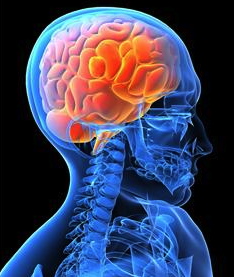
MH900438746Another involves a brain malfunction. For instance, a loss of brain functionality in, or a failure to properly develop, the frontal lobe can lead to violence and murder.

The frontal lobe (that part of the brain under our foreheads and behind our eyes) contains the coding for ethics and morality. It’s also the center for impulse control. So any frontal lobe damage or misdirected development can lead to miscues of ethics and moral decision-making, causing improper responses to life’s everyday challenges.

The third reason people turn to lethal violence is abuse. This can be sexual, psychological or physical in nature. Abuse during the childhood years are the most damaging and can lead to psychopathologies later in life. The specific type of abuse, along with the intensity and duration of the abuse, often determines the specific psychopathology that may result.dreamstime_xs_18033974

As one can expect, specific tendencies to MURDER may develop as a result of a combination of these factors. A violent genetic predisposition may play a greater role when a child is abused and yet be inconsequential if the child is the product of a stable, caring family environment. A child with frontal lobe abnormalities may be channeled into a productive life if taught to control improper impulses, but spin out of control in an abusive environment. The combinations are endless, and so are the resulting pathologies and potential murders that can result.

MH900305711There is no “one size fits all” when it comes to the urge to kill. The motivations and underlying pathologies are as numerous as its methods, but there is one common factor in almost every murder–the killer feels strongly justified, no matter how malicious the act.

Thoughts? Comments? I’d love to hear them!

Posted in a killer gene, About James J. Murray, About Writing, All About Murder, Blog Writers, Blogging, Characteristics of Killing, Characteristics of Murder, Defining Murder, Ideas for Murder Scenes, Instruments of Death, Killing a Villain in a Novel, Murder - The True Definition, Murder is Defined, Murder Weapons, Neuroscience and Murder, Plotting Murder Scenes, Reasons Why People Kill, Reasons Why People Murder, The Killer Gene, The Psychology of Murder, The Science of Murder, Tools for Murder, Tools of Murder, Ways To Kill, Ways to Murder, Writing Death Scenes | Tagged , , , , , , , , , , , , , , , , , , , , , , , , , , , , , , , , , , , , , , , | 4 Comments