Saxitoxin and Ciguatera – More Killers From The Sea

Last week I blogged about pufferfish and the lethal tetradotoxin that they contain, and we discussed their use as possible murder weapons. Today I want to talk about a couple of other interesting sea toxins that could be incorporated into your murder scenes.

Saxitoxin: This toxin is produced from marine plankton contaminated with toxic algae,MH900144584 such as blue-green algae and Red Tide (as discussed in my blog on harmful algae blooms). Saxitoxin is abbreviated as STX and is alternately referred to as Paralytic Shellfish Toxin (PST) and Paralytic Shellfish Poisoning (PSP). This toxin accumulates in shellfish (clams, mussels and scallops) when these shellfish consume tainted plankton.

This chemical is highly toxic. It can kill in very small oral doses (about 0.5mg for a normal sized person). If the toxin is injected or applied to an open wound, only one-tenth of that dose would be needed to kill (as little as 0.05mg).

Poisoning by inhalation, however, requires larger doses (about ten times the oral dose), but that’s still a mere 5mg and a smaller lethal amount than many aerosolized poisons.

MH900437315The lethal potential of saxitoxin makes it a major concern as a terrorist weapon, particularly since this toxin can be synthesized in a lab rather than harvested from infected shellfish for potential use as a chemical weapon.

Saxitoxin is about 1000 times more toxic than sarin nerve gas. In fact, Saxitonin already has a military history. The United States previously designated it as a chemical weapon and provided saxitoxin-impregnated needles to elite US soldiers for use as a suicide tool if captured and tortured for top-secret information.

It has been said that U2 pilot Gary Francis Powers had a hollow silver dollar on his person when he was shot down in 1960 over Soviet airspace and that the coin contained an STX-impregnated needle to use at his discretion for suicide.

The symptoms of saxitoxin involve paralyzing the nervous system, but the onset involves a “flaccid paralysis”—leaving the victim calm, relaxed and conscious before paralysis sets in. Death ultimately results from respiratory failure when the muscles of the diaphragm cease to function.

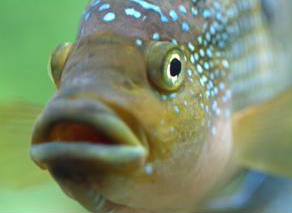
Ciguatera: This food-borne toxin causes illness in humans from contaminated reef fish.MH900414051 The source of the contamination is from marine microalgae called dinoflagellates found in tropical and subtropical waters and which transfer to fish as they feed. Since larger fish feed on smaller ones (and the smallest consume the microalgae), the toxin moves up the food chain. Predator species near the top of the chain are more likely to cause illness because of the greater concentration of toxins from multiple feeds on contaminated fish.
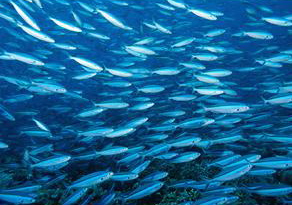
The toxin is odorless and tasteless. It’s very heat-resistant, so conventional cooking does not detoxify the poison. The good news is that this toxin usually produces illness rather than death.

MH900430501The symptoms of Ciguatera poisoning are GI distress (nausea and vomiting) and a variety of neurological symptoms (such as tingling fingers and toes, vertigo, and hallucinations). An interesting neurological effect is that the victim may find that cold things feel hot and hot things feel cold. The poisoned person may even be misdiagnosed with multiple sclerosis (MS).

Even though the toxin may not be lethal, there is no cure and symptoms can range from short-term to long-term. The victim may recover in days to weeks but the effects of Ciguatera poisoning may last for years (even 20 years or longer) and can cause long-term disabilities (coordination and speech problems). Most recover slowly over time, but it should be noted that during the recovery process exercise could trigger onset of further symptoms. A particularly nasty villain in your novel might get what he deserves with such a toxin.

Fortunately, there are lab tests to detect the presence of this toxin and Liquid MH900289270Chromatography-Mass Spectrometry is most often used.

Previous to this science, “folk detection” was used to identify contaminated fish. Ancient cultures determined that flies would not land on such fish. Alternately, silver coins were put under the scales of a fish. If the coin turned black, the fish was not eaten. One can assume that the owner was happy to have a tarnished coin to spend on something other than a funeral.

As with my previous postings on murder weapons, I hope this information has stimulated the creative juices to plan and plot unusual murder scenes that will delight your readers.

Thoughts? Comments? I’d love to hear them!
Posted in About James J. Murray, About Writing, Acute Poisons, All About Murder, All About Writing, Bio-Defense, Biological Warfare, Bioterrorism, Blogging, Bloodless Death Scene Writing, Bloodless Death Scenes, Characteristics of Killing, Characteristics of Murder, Ciguatera, Ciguatera and Folklore Medicine, Ciguatera and Marine Microalgae, Ciguatera and Murder, Ciguatera Poisoning, Contact Poisons, Developing Better Writing Skills, Developing Writing Skills, Drugs and Terrorism, Drugs Used to Murder, Flaccid Paralysis, Heat Resistant Poisonings, How To Write A BloodLess Murder Scene, Ideas for Murder Scenes, Murder Weapons, Murder With Drugs, Neurological Poisons, Paralytic Shellfish Poisoning, Paralytic Shellfish Toxins, Plotting Murder Scenes, Poisons That Mimic Multiple Sclerosis (MS), Pufferfish and Murder, Pufferfish Poisoning, Sarin Gas, Saxitoxin, Saxitoxin and Biological Terrorist Weapons, Saxitoxin and Murder, Saxitoxin and Suicide, Saxitoxin as Bioweapons, Saxitoxin Poisoning, Severe Food Allergies, STX, Tetradotoxin, The Science of Murder, Toxins From Shellfish, Ways To Kill, Ways to Murder, Writing Death Scenes | Tagged , , , , , , , , , , , , , , , , , , , , , , , , , , , , , , , , , , , , , , , , , , , , , , | 1 Comment

A Most Lethal Toxin From the Sea!

Sea toxins have become very popular as tools of murder, both on television as well as in murder mysteries over the last few years.

MH900405036One of the most popular, and one of the best known, is Fugu, the Japanese name for pufferfish and the dish prepared from it. The term is used also for the tetrodotoxin poison (TTX for short) in the fish.

Pufferfish eat other sea creatures that have been infected with the TTX bacteria prevalent in some waters and the toxin collects in the liver, ovaries and on the skin of the pufferfish.

Proper handling of the fish during food preparation insures that the toxin is separatedMH900407132 effectively. Additionally, there are farms specializing in TTX-free fish to guarantee that the fish are never exposed to TTX-laden food.

The meat of the pufferfish is used in some gourmet sashimi and chirinabe dishes. Interestingly, the liver of pufferfish is said to be the most delectable, as well as the most poisonous, and special care must be taken to assure that a TTX-free liver is used.

TTX is extremely toxic, about 100 times more poisonous than cyanide. Since this murder method has been used successfully in television crime shows and in novels, you might want to do further research to create unique ways of administering the poison.

The Fugu tetrodotoxin can be ingested, injected, inhaled or absorbed through broken skin. So your victim could consume the toxin, have it injected into a vein, inhale the poison or have it rubbed into an open wound. There are so many ways to use this poison and that versatility will certainly feed the imagination of the writer developing a murder scene.

Symptoms from ingestion of TTX usually begin with paralysis of the lips and tongue. MH900427619Excessive salivation follows shortly after and the heart begins to pound and race to 100bpm or more. Sweating, headache, loss of sensation, general weakness and lack of muscle coordination exhibit next. A sudden fall in blood pressure precedes seizures and cardiac arrhythmias. The symptoms also include severe nausea, vomiting and abdominal pain.

Since TTX is a neurotoxin and paralytic agent, the victim becomes totally paralyzed as the toxin shuts down nerve impulses (the electrical signals that tell our bodies what to do and how to feel). The interesting part is that the victim remains fully conscious during the process and death results from total paralysis of the diaphragm.

The victim simply stops breathing and dies from asphyxiation. It’s a painful death for sure, with the victim’s full realization of what is about to happen.

The lethal effects from ingesting or inhaling the toxin usually begin within 30 minutes, with a more rapid onset from direct injection. Less direct methods, such as application to broken skin, could take up to four hours for symptoms to appear.

There is no known antidote for the Fugu tetrodotoxin, but immediate respiratoryMH900400871 support increases the survival rate. And the drug Fampridine, a treatment option for multiple sclerosis, has been used in some cases to reverse the progression of the paralysis. This drug could be a useful tool to save your protagonist from death by pufferfish poisoning.

Next week, I’ll highlight more poisons from the sea. Until then, enjoy conjuring up your next murder scene using TTX.

Thoughts? Comments? I’d love to hear them!

Posted in About James J. Murray, About Writing, Acute Poisons, All About Murder, All About Writing, Blog Writers, Blogging, Characteristics of Killing, Characteristics of Murder, Contact Poisons, Drugs For Murder Plots, Drugs Used For Murder, Fugu, Fugu and Murder, Fugu Poisoning, How To Write A BloodLess Murder Scene, Ideas for Murder Scenes, Murder Weapons, Murder With Drugs, Plotting Murder Scenes, Poisons Used to Murder, Pufferfish and Murder, Pufferfish Poisoning, Tetrodotoxin, Tetrodotoxin and Murder, The Science of Murder, Tools of Murder, TTX and Murder, Ways To Kill, Ways to Murder | Tagged , , , , , , , , , , , , , , , , , , , , , , , , , , , , , , , , , , , , , , , , , , | 6 Comments

Apostrophes And Their Use With Proper Nouns

This may seem like a silly subject to write about, but I must admit that I’ve had trouble MH900427785using the apostrophe appropriately in the past, especially regarding its use with proper nouns that end in “s”.

It’s become a personal dilemma for me since the main character in a couple of my novels is named Jon Masters. I feel as though, as I write about murder, I’m also murdering the English language at times.

How do I refer to Jon’s wife in my writing? Is she Jon Masters’ wife or is she Jon Masters’s wife? Well, I looked up the accepted method to depict such a possessive proper noun and my confusion worsened. The Associated Press Stylebook recommends using just an apostrophe after the name—in this case, Masters’. But other writing experts recommend adding the apostrophe PLUS an “s” after the name—as in Masters’s.

A noted e-newsletter on English grammar, called GrammarBook.com, devoted a blog to the subject and stated that the rule to be followed is this: “Forget the apostrophe until you write out the entire word. A correct possessive apostrophe can never entangle itself within any word.”

So if I used this rule from Jane Straus’s GrammarBook newsletter, then I could be assuredMH900299735 that “Jon Masters’s wife” would be the correct way to write that phrase! But interestingly, my computer’s spell check underlines this spelling in red—indicating that I made an error. (Sigh!)

Does this mean that The Associated Press Stylebook is correct and a noted English grammar expert is wrong? Further research findings (noted here and here) give conflicting rules. One states that only an apostrophe is needed after a word that ends in “s” to show the possessive, while another states that an apostrophe PLUS an “s” is needed after a word already ending in “s” when writing a possessive noun. (More Sighs!!)

As I decide which is correct, another thought comes to mind. What is the proper way to write the possessive when the proper noun is plural—for instance, when referring to both Jon Masters and his wife, Gwen?

Well, the rules are quite clear when it comes to the plural of a proper name MH900441734ending with an “s”. The rule states that you always use an “es” after the “s”—in this case, I would refer to the married couple as the Masterses. That’s a mouthful to say the least, but it is correct.

And how would I write the possessive of that word? Would it be the Masterses’ house or the Masterses’s house? Again, when using the plural of a possessive proper noun ending in “s”, the rules are quite clear also. The rule states that one adds only an apostrophe after the existing “s” in a proper noun that is also plural and ends in “s”—in this case, Jon and Gwen’s house would be written as the Masterses’ house. AlthoughMH900443125 correct, that phrasing does sound rather awkward. When all is said and done, I might circumvent this rule entirely and instead phrase it as “the house of Jon and Gwen Masters.” (Another Sigh, but this time with a Smile!)

While there are some discrepancies between The Associated Press guidelines and the Chicago Manual of Style, modern English literature seems to adhere to three specific guidelines for apostrophes with possessive proper nouns: If the noun is singular, add an apostrophe before the “s”—as in Jon’s. If the noun is singular but ends in “s”, also add an apostrophe before the “s”—as in Jon Masters’s. If the noun is plural and ends in “s”, just add an apostrophe—as in the Masteres’ house.

Although I have these rules firmly in command now and will apply them in the editing of my work, I’ll leave you with one disclaimer: these rules don’t necessarily apply to my friends across the pond, over our northern border, those Down Under or writers in other nations that use the English language as their written word.

My research tells me that I can only safely say that these rules seem to apply to writers within the borders of the United States who are writing for a domestic audience.

Thoughts? Comments? I’d love to hear them!
Posted in About James J. Murray, About Writing, Accuracy in Editing, Accuracy in Writing, Achieving Perfection, All About Writing, Apostrophe Use, Apostrophe Use with Nouns Ending in S, Apostrophe Use with Plural Nouns Ending in S, Apostrophes and Proper Nouns, Appropriate Apostrophe Use, Blog Writers, Blogging, Chicago Manual of Style and Apostrophes, Developing a Writing Career, Developing Better Writing Skills, Developing Writing Skills, Grammar and Punctuation, Growing As A Writer, New Life Goals, Obsession with Proper Usage of the English Language, Proper Punctuation in Writing, Proper Use of Apostrophes, The AP Style and Apostrophes, The Art of Writing, The Associated Press Rules for Apostrophes, The Misuse of Apostrophes, The Misuse of Apostrophes with Nouns Ending in S, Tools of Fiction Writing, Writing Skills | Tagged , , , , , , , , , , , , , , , , , , , , , , | 15 Comments

DRUGS and BIOTERRORISM

Terrorism is defined as the use of force or violence against people and property.

MH900407492That action is labeled BIOTERRORISM when the violence involves the intentional release of a biological agent (such as bacteria, viruses or toxins).

Bacteria and viruses are microorganisms that live among us both in harmony and with malice. When these microorganisms cause severe illness or death, they make excellent terrorists tools; and they’re classified as “biological” whether they occur naturally or are modified by humans in a lab.

A toxin is a poisonous byproduct produced by such microorganisms and is as deadly as the organisms themselves. That means the “bug” can be killed but the toxin can linger behind and create substantial havoc on its own, such as contaminated food harboring the botulism toxin.

So we have biological agents (bacteria, viruses or toxins) that can be used as weapons ofMH900443507 mass destruction by simply spreading them into the air, our water supply or along the food chain.

They can kill instantly upon contact or cause death slowly over several hours or days, making it difficult to detect the origin. And identification of the source can be even more complicated when agents spread from person to person (a contagious biological agent).

Further hurdles to effective protection occur when we realize how easy it is to use these agents. They’re relatively inexpensive to obtain (as opposed to something like a nuclear weapon), are highly portable and can be disseminated easily among the population.

MH900233116With all the possible types of biologicals and the ways in which they can be spread, it would seem to be a monumental task to plan anything of appreciable value to prevent such an attack. And that’s the central focus of bio-defense, the medical measures in place to protect people against biological agents.

In blockbuster films that have concentrated on bioterrorism, vaccines against the deadly contagion are developed within a few weeks or months, but that’s not reality.

The Transformational Medical Technologies initiative started by the Department of Defense in 2006 set out to identify and develop broad-spectrum therapies that could be effective against multiple bacterial and viral pathogens, specifically to protect soldiers against biological attacks. In reality, the program produced no new specific treatments or antidotes and the program has ceased to exist as envisioned.

Now the U.S. government is focusing its attention on what’s called “The Big Six Biological Threats”. These are identified as anthrax, the plague, tularemia, the botulism toxin, smallpox and viral hemorrhagic fevers (like the Ebola virus). And these threats can be grouped so that a common treatment can be identified for categories of biological threats.

Anthrax, plague and tularemia are all bacterial agents and the fluoroquinolone (likeMH900321056 ciprofloxacin and levofloxacin) antibiotic drugs that are already in existence are effective treatments.

Toxins, including botulism, often present as neurotoxins (causing nerve paralysis and respiratory failure) and the lack of any approved drug treatment other than supportive measures leaves a major gap in bio-defense. That’s a considerable area of exposure since the botulism neurotoxin is said to be the most poisonous substance known to man and is 10,000 times more deadly than cyanide poisoning.

MH900422201Effective treatments for viral biological agents also remain elusive. We have a smallpox vaccine for prevention and scientists are working on an Ebola vaccine, but there’s no specific treatment once these viruses cause sickness in those not already vaccinated. Recommended treatments are only supportive, like fluids, antibiotics for secondary infections, etc. – the same as for the common cold.

Presently, our government has been adjusting its approach to bio-defense and focusing on stockpiling currently available antibiotics and antiviral agents without creating shortages for the rest of the population. In essence, we are back to square one regarding treatment protection against biologicals.

For a comprehensive review of the current status of how well the United States is defending itself against biological attacks, I have not found a better resource than a feature article called Biological Attack—Are We Ready? that I found on the Security Degree Hub website. Click here to link to that informative article!

Fortunately, increased and more effective intelligence of potential terrorist plots have been successful in keeping us safe to this point. But that safety net is a fragile element in our protection system and provides fertile opportunity to create interesting terror plots in our writing to launch our protagonists into superhero action.

Thoughts? Comments? I’d love to hear them!

Posted in About James J. Murray, All About Murder, Attack of Bacteria, Bio-Defense, Biological Warfare, Biological Warfare Treatments, Bioterrorism, Blog Writers, Blogging, Drugs and Bioterrorism, Drugs and Terrorism, Drugs For Murder Plots, Drugs Used For Murder, Ideas for Murder Scenes, Murder Weapons, Murder With Drugs, New Drug Research, Story Development, Terrorism, The Science of Murder, Tools for Murder, Tools of Murder, Ways to Murder | Tagged , , , , , , , , , , , , , , , , , , , , , , , , , , , , , , , , , , , , , | 2 Comments

How To Write a Bloodless Death Scene

The storyline for the novel I’m currently writing calls for one of the characters to be murdered. Simple enough!

dreamstime_xs_18033974Shoot or stab the person, or use a dozen other ways to kill off the character. But that didn’t fit with the storyline. It was important that the killer not leave ANY blood at the crime scene, ESPECIALLY the victim’s! So what method would I use to accomplish that?

My research led to some interesting ideas on how to construct a bloodless murder scene, and I’d like to share a few of those with you. The following is a list of the more interesting and believable ways to accomplish this task:

The Temple Blow – The skull is thin there and the temple bone shatters easily. MoreMH900442299 importantly, the middle meningeal artery is located there. Rupture that and it causes a build-up of blood and brain compression. That’s called an epidural hemorrhage. Death will follow if the pressure from the blood is not relieved in a relatively short amount of time.

The Russian Omelet – Cross the legs of the victim and pin him or her to the ground chest down. Then push the legs up toward the person’s back and sit on them to fold and break the base of the spine. It’s usually fatal. The killer, however, should be of “substantial” weight to make this a believable kill method.

An Airborne Toxin Release – There are any number of good choices, from a viral toxin to a lethal poison. A simple Internet search can fuel the imagination and I’ve written numerous blogs that you can refer to on those subjects.

An Insulin Overdose – Insulin is the hormone secreted from the pancreas whenever MH900308894sugary or starchy foods are consumed. Insulin transports blood glucose into the body’s cells so that they can use it as fuel. Too much insulin causes low blood sugar and this leads to a variety of symptoms (shaking, sweating, blurred vision, seizures and coma) before death. Describe the symptoms properly and you’ve got a great murder scene.

Carbon Monoxide (CO) Poisoning – It’s a simple way to kill, but not very imaginative. Lock someone in a garage with a car running and soon the carbon monoxide build-up will kill because it replaces the oxygen in blood.

Toxins That React With Blood To Replace Oxygen – There are also products on the market that kill in the same way as CO, and these are much more entertaining for the reader. In a murder scene I wrote recently, I used the strong fumes of an organic solvent (a paint remover) that preferentially binds to hemoglobin instead of oxygen as a murder weapon. It proved to me once again that there’s no substitute for good research when writing creative, interesting murder scenes.

Ethylene Glycol – This is the main component of antifreeze. It’s colorless, odorless, sweet tasting and it’s easy to add to most any food or drink. It rapidly absorbs into the GI tract and distributes throughout the body, creating a variety of toxic effects. The initial symptoms mimic a drunken state, but kidney failure usually causes death. Interestingly, alcohol is the antidote of choice. Maybe the KILLER should down a shot INSTEAD to celebrate a good kill!

Strangulation – A dramatic death for sure, but it’s been used A LOT. It causes death in one of two ways: compression of the carotid arteries and/or the jugular veins, and the act deprives the brain of oxygen. It can also fatally compress the larynx and/or trachea to prevent further air intake.

A Fatal Drug Dose – Any number of drugs (both legal and illegal) could be used, but the most rapid effects are gained if the drug is injected. I recently blogged about what drug makes the perfect murder weapon, and I’ve blogged on a number of other potentially lethal drugs. You can be sure that I’ll blog about more lethal drugs in future blogs.

The Adam’s Apple Crush – This is a hit to the larynx and a prime strike point to causeMH900443021 death if the attacker connects dead center and with substantial force. It makes a great kill scene for those Special Forces type characters. The knuckle punch or a strategic kick closes the airway and denies the ability to draw in air. Oxygen deprivation results in death.

These are just a few of the more interesting bloodless murder methods to add to your crime research. I’m sure you’ve come across others. Want to share them with us?

Thoughts? Comments? I’d love to hear them!

Posted in About James J. Murray, About Medications/Pharmacy, About Writing, Accuracy in Writing, All About Murder, All About Writing, Blogging, Bloodless Death Scene Writing, Bloodless Death Scenes, Characteristics of Murder, Defining Murder, Developing Better Writing Skills, Drugs For Murder Plots, How To Write A BloodLess Murder Scene, Ideas for Murder Scenes, Instruments of Death, Interesting Murder Weapons, Learning the Art of Writing, Murder Weapons, Murder With Drugs, Plot Development, Plotting Murder Scenes, The Psychology of Murder, The Science of Murder, Tools of Murder, Ways To Kill, Ways to Murder, Writing Death Scenes | Tagged , , , , , , , , , , , , , , , , , , , , , , , , , | 6 Comments

Commas, Em Dashes, and Ellipses—And Their Proper Use!

In last week’s blog, I explained how to properly use the three types of dashes in writing.

Today, I’d like to further the discussion on punctuation marks that are usedMH900444369 specifically to clarify or to emphasize a point. They are the comma, the Em dash and the ellipsis (the plural being “ellipses”). These three punctuation types are used interchangeably in modern writing, both in dialogue and narration, but there are specific rules for their use.

The question I present is this. Is their use solely at the discretion of the writer … or should the precise language rules be followed? Let’s take a closer look at the three punctuation marks in question before forming any conclusions.

The Comma: The comma is used to separate elements within a sentence. It’s often said that anytime a reader takes a break to breathe, that’s where a comma should be used. But people breathe at different times when reading the same sentences, so that rule doesn’t hold up. For today’s discussion, a comma is used to separate phrases that intend to clarify previous words (such as, “He was a handsome fellow, with hair the color of gold.”).

But the comma often does not create the emphasis or drama that a writer needs to convey, and that’s where the next two punctuation marks can be used more effectively.

The Em Dash: Most grammatical rulebooks indicate that the em dash is used as an interruption in dialogue or to emphasize a phrase in both dialogue and narration. It’s aMH900441734 much stronger punctuation mark than the comma but less formal than a colon, and it’s a more relaxed punctuation than the more technical use of a set of parentheses to explain or emphasize a specific point (such as, “He was a handsome fellow—with hair the color of gold that shimmered like the setting sun.”).

The em dash creates more drama and can be used as a strong aside in narrative (such as, “He was a handsome fellow—with god-like golden hair that turned every eye in a room he entered.”), or used for dramatic interruption in speech (such as, “He was a handsome fellow—I’m sorry, I know talking about him makes you feel uncomfortable.”). For a more in depth description of em dashes, please refer to my previous blog on the types of dashes.

The Ellipsis: The use of ellipses (plural of ellipsis) denotes a small pause (“He was a handsome fellow … with great hair.”), a stutter (“This guy was … so … so handsome.”) or for dialogue and narrative that trails off (“When this guy walked in that room, it was like everyone turned and …”).

CB043676Some of the most heated discussions that writers have involve the distinction and proper use of em dashes vs ellipses, but the rules are quite clear. Ellipses are reserved for when the writer wants the reader to momentarily pause or for phrases that trail off. The complete thought, whether it is dialogue or narration, is not stated but the meaning is understood never the less.

An ellipsis is always three dots, no more and no less. Style guidelines vary as to whether or not to use an ending period if the ellipsis comes at the end of a sentence. Most guidelines are satisfied with no final period.

And there is an on-going discussion as to specifically how ellipses are presented, depending on if the writer follows the Associated Press (AP) style or the Chicago style.

The AP style of ellipsis consists of three non-spaced periods, with a space before and after (“He was a handsome fellow … with such golden hair.”). The AP style often is referred to as a closed ellipsis. This contrasts to the Chicago style that presents with three spaced periods, with spacing before and after (“He was a handsome fellow . . . with such golden hair.”).

And then there’s the complication that arises in modern literature where we’re seeingMH900411777 more use of the AP style without the spacing before and after (“He was a handsome fellow…with such golden hair.”), but the rules in both the AP and Chicago styles are clear about using spacing before and after the three-dot ellipsis.

Grammatical rules assure that uniform guidelines are followed so that the reader’s experience is all about focusing on the story rather than about negotiating unique writing styles. However, many writers have been successful with unique styles of writing.

Although there may be established sentence structure rules, individual styles of writing sometimes preclude the rules. Above all, a GREAT WRITER is consistent with punctuation to enhance the reader’s experience and to avoid unnecessary grammatical distractions.

Thoughts? Comments? I’d love to hear them!

Posted in About James J. Murray, About Writing, Accuracy in Editing, Accuracy in Writing, Achieving Perfection, All About Writing, AP Style of Ellipsis, Blog Writers, Blogging, Chicago Style of Ellipsis, Comma Use, Developing a Writing Career, Developing Better Writing Skills, Developing Writing Skills, Difference Between Commas, Ellipses Use, Ellipsis Use, Em Dash Use, Em Dashes and Ellipses, En Dashes and Em Dashes, Grammar and Punctuation, Growing As A Writer, How to Use Commas Properly, How To Use Ellipses Properly, How to Use Em Dashes Properly, Hyphens, Hyphens and Dashes, Hyphens and Dashes and Their Misuse, Mastering Your Craft, Obsession with Proper Usage of the English Language, Proper Punctuation in Writing, Proper use of Commas, Proper Use of the Written Word, Styles of Ellypsis, The Art of Writing, The Difference Between Hyphens, The Proper Use of Hyphens and Dashes, Tools of Fiction Writing, Use of Dashes, Use of Hyphens, Writing Skills, Writing Techniques | Tagged , , , , , , , , , , , , , , , , , , , , , , , , , , , , , , , , , , , | 8 Comments

Hyphens and Dashes – The Dread of Misuse!

Hyphens and dashes are two distinctly different punctuation marks and a proper understanding of each will avoid embarrassing mistakes in your writing. Will anyone get MURDERED as a result of using the wrong one in the wrong place? No, but their proper use is part of the process that makes a writer stand out as exceptional. Use them erroneously and your publisher might just KILL your story without reading further.

MH900048360There are actually three distinct types of dashes: one is the commonly used Hyphen, and the other two are called the En Dash and the Em Dash.

Let’s take a separate look at these for a better understanding of how and when to use each of them.

The Hyphen: This literary device, a short dash, is used in three areas of punctuation to link words or parts of words together.

They can be used to join compound words (like good-natured). The joining can be between an adjective and a noun (sugar-free), between a noun and a participle (custom-built) and between an adjective and a participle (good-looking). Modern literature has relaxed the use of hyphens some and such connections are not utilized as often as they once were. Often now you’ll see the words smashed together as one or simply used separately.

Hyphens also join prefixes to other words in such a way as to convey a specific meaning, as in re-cover meaning to cover over something as opposed to recover meaning to overcome some difficulty.

Lastly, hyphens show a word break, like at the end of a sentence when the word is broken into syllables and part remains on one line while the rest of the word goes into the following line.

Thus, hyphens only join words together and separate syllables. When phrasing punctuation is needed, that’s when the other two, and longer, dashes are utilized.

The En Dash: This mark is used to express a range of values or a distance, and is often used in place of the word “to”. We can express an age range (from 40 – 60) or a distance (from New York – California) by using such a dash. It’s called the En dash because it takes the space of a lower case n in print. Usually, your computer will convert double dashes to an En Dash when adding a space between the previous word and the dashes and a space before the next word.

The Em Dash: This punctuation mark is the most interesting because its use can create heightened drama. For that reason it’s being used more often by modern fiction writers. This type of dash is a mark of separation, not of words but of phrases or thoughts. It’s used for three specific reasons—when something stronger than a comma is needed, when the writer wants punctuation less formal than a colon or when more relaxed punctuation than a set of parentheses is appropriate. On most computers, it automatically comes up when double hyphens are used without spacing between the previous and following words. It’s a longer dash and called the Em Dash because it takes up the spacing of a capital M in print.

This punctuation device is used when the writer wants extra emphasis on a phrase or part of a sentence. The famous grammarian William Strunk, Jr. is credited with specifying the proper use of the Em Dash. He said that it is used to indicate an abrupt stop or change in tone or thought (such as, “But I thought you’d—wait a minute, what are you doing?”), to insert a second thought, update or correction (such as, “I thought you’d be interested—but then you’re never interested in what I say.”) or to emphasize a dramatic pause (such as, “You said you’d come early—and you’re late!”).

In conclusion, the process of editing the written word is a painstaking process. The proper use of punctuation is extremely important to enhancing your reputation as a GREAT WRITER.

Thoughts? Comments? I’d love to hear them!

Posted in About James J. Murray, About Writing, Accuracy in Editing, Accuracy in Writing, Achieving Perfection, All About Writing, Blog Writers, Blogging, Developing a Writing Career, Developing Better Writing Skills, Developing Writing Skills, Dreaded Misuse of Hyphens and Dashes, En Dashes and Em Dashes, Grammar and Punctuation, Hyphens, Hyphens and Dashes, Hyphens and Dashes and Their Misuse, Obsession with Proper Usage of the English Language, Proper Punctuation in Writing, Proper Use of the Written Word, Punctuation Marks, Punctuation Rules, The Art of Writing, The Proper Use of Hyphens and Dashes, Tools of Fiction Writing, Use of Dashes, Use of Hyphens, Writing Skills, Writing Techniques | Tagged , , , , , , , , , , , , , , , , , , , , , , , , , | 6 Comments

Ignoring Doctor’s Orders – A Common Practice!

18106721Have you ever gone to a doctor for a medical problem, had that physician prescribe a medication, but then ignored the doctor’s instructions and didn’t get that prescription filled?

If your answer is “yes” to that question, then your action is a common one. Studies show that nearly one-third of the medications prescribed to individuals remain unfilled.

In a recent Canadian study, researchers examined the prescription data of nearly 16,000 patients in a primary care network of over 130 doctors. Of the 37,000+ prescriptions written, almost one-third remained unfilled nine months later. The nine-month period was used to give patients time to fill those prescriptions in case some medications were prescribed on a “take as needed” basis.

As one might expect, the drugs most often not filled included the more expensive brandMH910221052 name drugs, but the non-compliance issue also included less expensive medications that are used to treat chronic conditions such as headache, heart disease and depression.

And the non-compliance issue was not limited to low-income patients. In fact, all of the patients in the Canadian study had some form of universal prescription insurance coverage, and this made the significance of medication non-compliance all the more surprising.

The prescriptions most often filled and taken as ordered included those for acute bronchitis and urinary tract infections, conditions that usually involve significant discomfort if not resolved quickly. For individuals with medical issues that exhibit with less obvious symptoms and no pain (such as high blood pressure, mild diabetes, and high cholesterol), the non-compliance rates were higher.

The study was designed to investigate adherence to medication prescribing only and did not specifically address patient attitudes or beliefs about medication prescribing, and it did not consider the consequences of medication non-compliance.

As a comparison to this study of Canadian patients with universal health care, prescription fill rates in the United States are slightly higher (between 72% and 78% depending on the study reviewed). But, although fill rates are surprisingly better in the US, non-compliance to specific medication dosing is also greater.

Dr. Troyen Brennen, executive vice president and chief medical officer of CVS Caremark stated, “If we can get people to take their medications, they’ll have fewer heart attacks, they won’t develop complications associated with diabetes and they won’t be going to the emergency department with asthma.”

MH900406754Studies of US patients indicate that of the 32 million Americans that use three or more medications daily, 75% are non-adherent in one way or another. They simply do not take their medication properly for optimum effect.

This degree of non-compliant behavior (that includes not initially filling a prescribed medication as well as not taking a prescribed medication properly) has been estimated to create an economic impact of an additional $100 billon in yearly US health care costs and causes an estimated 125,000 needless deaths each year.

The various reasons for medication non-compliance are numerous. They include fear of medications, side effects experienced while on a therapy, and patient ignorance to the importance of a prescribed medication.

Nearly half of patients elect to discontinue an effective medication by either stopping the therapy early or taking their medications incorrectly. Many patients simply forget to take their medications, particularly with the elderly.

Compliance rates also varied with the type of physician who prescribed the therapy regimen. Prescriptions were filled more often when prescribed by primary care physicians, especially pediatricians. Interestingly, if the physician was a specialist, younger, female or part of a group of more than 10 physicians in a practice, then the patient’s prescription fill rate decreased.

It would seem that patient education regarding their illnesses, specifically the onesMH900401001 without noticeable symptoms, would encourage better medication compliance. When patients understand the seriousness of the so-called silent killers (high blood pressure, mild diabetes, high cholesterol) and the importance of proper dosing to eliminate side effects but maintain therapeutic results, then medication compliance most likely will improve.

When the health care model includes better communication between patients and their physicians and pharmacists, as well as better follow-up care from the prescribing physicians, then medication compliance issues will decrease and patient outcomes will increase.

Thoughts? Comments? I’d like to hear them!

Posted in About James J. Murray, About Medications/Pharmacy, Blogging, Cost of Ignoring Doctor Orders, Deaths Related to Therapy Non-Compliance, Drug Error Prevention, Drug Errors in The Elderly, Drug Misadventures, Economic Impact of Therapy Non-Compliance, Generic Drug Safety, Generic Drug Use, Generic Drugs, Generic Drugs in the US, Medication Therapy Non-Compliance by Physician Types, Misuse of Drugs, Non-Compliance in Medication Therapies, Non-Compliance to Physician Orders, Non-Compliance to Prescription Therapies, Non-Compliance with Medication Therapies, Patient Therapy Compliance Issues, Patient Therapy Outcomes, Pharmacy/Pharmaceuticals, Prescription Drug Safety, Prescription Fill Practices in the US and Canada, Prescription Fill Rates, Prescription Fill Rates in the US and Canada, Prescription Prescribing Practices, Prescription Trends, Reasons for Medication Therapy Non-Compliance, The Pharmacy Profession, The Practice of Pharmacy, Types of Medication Non-Compliance | Tagged , , , , , , , , , , , , , , , , , , , , | 5 Comments

E-Liquids = The New Murder Weapon!

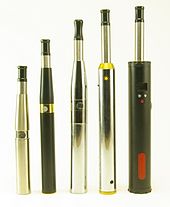
Cig_a_like--_2013-10-21_03-47For all the wonders of the technological age of today, there are times when life-enhancing advances can turn sinister. One such example is the evolution of e-cigarettes.

Electronic cigarettes were first patented in 1963. The mechanism simulates smoking a real cigarette by using a heating element to vaporize a liquid solution contained within the device. Most solutions consist of a mixture of nicotine and flavorings, while others contain flavors without nicotine.

Initially, many e-cigarettes were disposable devices that looked like conventional cigarettes. As the technology progressed, reusable units became available. TheseLava_size_02 improved mechanisms could be refilled with solutions that contained varying combinations of nicotine, flavorings and solvents. They were more cost effective, achieved greater public acceptance and offered a variety of flavor choices.

The down side to all the improvements, however, is that now we have a dangerous, and even deadly, powerful stimulant on the market—liquid concentrated nicotine (e-liquid). It’s made in factories and even in the back rooms of shops, and it’s sold legally in stores and online. The solutions are available for sale by the vial, the liter, by the gallon and even by the barrel.

The normal nicotine levels in sealed, disposable e-cigarettes used to be 1.8% to 2.4%. But the new liquids used in these reusable devices are available in 7.2%, and even up to 10% concentrated solutions. Interestingly, it’s the higher concentrations that are available in the largest quantities on the Internet—with sizes ranging from one liter to a gallon for consumer use and up to a 55-gallon drum for manufacturing purposes, all with little regulatory oversight.

Some of the packaging for consumer use incorporates childproof bottles and warning labels, but many of the products coming from overseas—particularly from China—do not include such safety standards, and the FDA does not yet regulate the manufacture and distribution of nicotine-containing e-liquids.

Nicotine, in this most potent liquid form, not only supplies the fast-growing electronic cigarette industry but it also is evolving into a new recreational drug category.

The popular nicotine concentrates produce a stimulating high, yet are powerful neurotoxins. A teaspoonful of even highly diluted e-liquid can kill a small child. One of the reasons these e-liquids are so deadly is that they are absorbed more quickly through the GI tract than other substances.

Additionally, the nicotine solutions are readily absorbed through the pores of the skin. Recently, a Kentucky woman was admitted to the hospital with severe cardiac issues after her e-cigarette broke in her bed. The e-liquid spilled and absorbed quickly through her skin, causing a life-threatening cardiac event.

MH900437315One of the problems with the concept of e-liquids is that adults do not seem to understand the risks involved in exposure to these concentrated solutions and carelessly leave the containers unprotected around the house. Between 2012 and 2013, there has been a 300% jump in the number of calls to poison control centers related to liquid nicotine overdoses, and the number is on pace to double this year. There has even been a documented suicide death by an adult who injected liquid nicotine.

Lee Cantrell, a professor of pharmacy at the University of California and the director of the San Diego division of the California Poison Control System, stated, “It’s not a matter of if a child will be seriously poisoned or killed. It’s a matter of when. This is one of the most potent, naturally-occurring toxins we have and its sold all over the place.”

Liquid, concentrated nicotine (e-liquid) provides an interesting opportunityMH900241229 for murder mystery writers to utilize a powerful neurotoxin that is poorly regulated, readily available and one that can easily be injected or incorporated into food, drink or on clothing to produce a rather dramatic, yet stealthy, murder scene.

Thoughts? Comments? I’d love to hear them!

Posted in About James J. Murray, About Medications/Pharmacy, About Writing, All About Murder, All About Writing, Blogging, Concentrated Liquid Nicotine, Cryptococcus Infection Outbreak, Drug Abuse, Drug Poisoning, Drugs For Murder Plots, Drugs Used to Murder, E-Liquids, Electronic Cigarettes, Ideas for Murder Scenes, Instruments of Death, Interesting Murder Weapons, Killing a Villain in a Novel, Murder by E-Liquid Overdose, Murder By Nicotine Overdose, Murder Weapons, Murder With Drugs, Nicotine and Murder, Nicotine Used For Murder, Party Drugs, Plotting Murder Scenes, Poisons Used to Murder, Prescription For Murder Blog, The Art of Writing, Tools of Murder, Ways To Kill, Writing Death Scenes, Writing Murder Scenes Using Concentrated Nicotine Liquid | Tagged , , , , , , , , , , , , , , , , , , , , , , , , , , , , , , | 11 Comments

Scorpion Venom – A Lethal Opportunity!

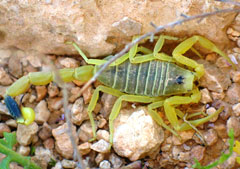
Scorpions are predatory arthropods—exoskeleton or shell-like creatures. They originateddeathstalker_240 in England in the High Middle Ages (around 1200 AD).

Although scorpion venom has a fearsome reputation, there are only about 25 varieties (out of the over 1,700 species) that have venom capable of killing a human being.

Using the venom of one of these deadly varieties as a murder weapon could create an interesting story twist and help craft a rather exotic murder mystery plot.

But to do so, we should focus only on the deadly varieties of scorpions and, in particular, on one of the deadliest species. The Deathstalker scorpion is just such a killer. It’s also known as the Israeli Yellow Scorpion and its tail is full of powerful, lethal venom.

A sting from a Deathstalker is extremely painful and will cause localized muscle paralysis. As the venom spreads throughout the body, the paralytic effects become systemic and a person will eventually die.

MH900438738The venom contains a small protein called chlorotoxin, a chemical that blocks chloride ions from entering muscle cells. Without chloride ions present, the body’s muscles can’t relax. They remain rigid and are unable to function.

The symptoms of progressive systemic paralysis begin with fine motor skill impairment—such as the inability to move a hand properly or to walk without a limp.

Eventually, the muscles of the diaphragm are affected and breathing becomes difficult. The person will drool when the esophageal muscles tighten, preventing proper swallowing. Speech will be difficult as the tongue muscle ceases to function.

Death usually results from suffocation since the muscles that control MH900332900breathing become totally paralyzed, although at times the heart muscle ceases to function first and cardiac arrest is the cause of death.

As is sometimes the case with natural poisons, the venom of the Deathstalker has been shown to have medical benefits also. The special proteins in the Deathstalker scorpion’s venom are used as imaging agents.

When dilute versions of the venom are injected, they seek out brain tumor cells and other cancerous tumors. When stimulated by a laser in the near-infrared part of the spectrum, the venom proteins emit a glow that, although invisible to the eye, can be captured by a camera.

MH900289343Special laboratories (there are only two in the world) “milk” the Deathstalker and other venomous creatures to extract their venom for drug research and medical purposes.

When developing murder mystery plots using exotic murder weapons—such as scorpion venom—one of the considerations is a reliable source of your lethal agent.

In this case, one of those special laboratories or a specialty hospital using the venom extract for imaging would make excellent, believable sources for your murder weapon.

Thoughts? Comments? I’d love to hear them!

Posted in About Writing, Acute Poisons, All About Murder, All About Writing, Blog Writers, Blogging, Bloodless Death Scene Writing, Bloodless Death Scenes, Deadly Scorpion Venom, Deathstalker Scorpion Venom, Deathstalker Scorprion, Designer Drug Deaths, Drugs For Murder Plots, Drugs Used For Murder, Instruments of Death, Interesting Murder Weapons, Israeli Yellow Scorpion, Israeli Yellow Scorpion Venom, Lethal Scorpion Venom, Murder Weapons, Murder With Drugs, New Drug Discoveries, New Drug Research, Plotting Murder Scenes, Poisonous Scorpion Venom, Poisons Used to Murder, Scorpion Stings, Scorpion Venom, Story Development, The Deadliest Scorprion, The Science of Murder, Tools for Murder, Tools of Murder, Types of Deadly Scorpions, Writing Death Scenes | Tagged , , , , , , , , , , , , , , , , , , , , , , , , , , , | 2 Comments