DEADLY FUNGAL INFECTIONS—A Potential Epidemic!

I’ve written blogs about deadly bacteria and viruses in the past, and those are the MH900427618organisms most often responsible for deadly outbreaks. BUT, currently there’s an equally deadly disease spreading across North America. In fact, US and Canadian healthcare agencies have labeled it a deadly outbreak.

This infection is fungal in origin, from the Cryptococcus family, and it usually affects the lungs because the fungal spores are airborne and inhaled. But the infection can spread to other organs of the body if not treated appropriately.

These deadly cryptococcal infections are caused by either of two types of MH900438746Cryptococcus fungi: Cryptococcus neoformans and Cryptococcus gattii.
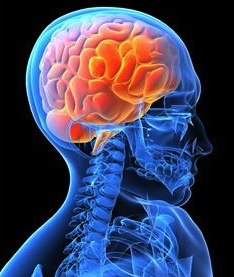
In the absence of therapy, the infection quickly spreads to the brain and other organs, often with fatal results. Even with therapy, the disease is sometimes fatal. About a third of those infected die from the disease.
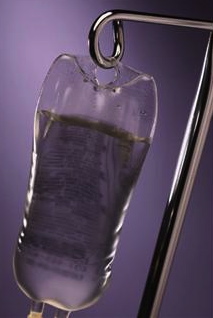
MH900321126The treatment is antifungal drug therapy, a painful infusion that is given daily over a period of months. At times, the therapy fails and patients may be forced to undergo corrective surgery.

The disease was first detected in 1999 when hospitals in Vancouver Island, Canada saw a sudden spike in cryptococcal cases. By the next year, veterinary hospitals were seeing a similar spike in animal cases.

It was not until 2002 that the increased incidence of the fungal disease was seen in individuals outside of Vancouver Island and in people who had never visited there.  By 2007, more than 200 cases were identified across Canada and the infection spread south across the US border.

A 2010 report by the US Centers for Disease Control and Prevention (CDC) reported cases not only in humans, but also in domesticated pets and other animals in the states of Washington, Oregon, California, Idaho and Hawaii. The death rate in the Canadian cases has been reported to be about 10%, but there is a dramatic 33% fatal rate for the cases reported in the US. Researchers are still puzzled by the increased mortality rate of the US cases.

Cryptococcus fungal infections are usually found in warmer climates and C. gattii, the42-15151297 more prevalent of the cryptococcal infections, often exists in tropical and sub-tropical regions of the world.

Researchers are concerned that this fungal infection has been Autumn Foliage Along a Calm Lake Watersmeet, Michigan, USAfound so far north. The cool, dry weather of North America should not be favorable for such an outbreak, and they wonder if global warming is contributing to the disease migration.

Of particular concern is that, in contrast to bacterial and viral infections, fungal infections usually develop over a long period of time and sometimes reappear even after successful treatment, making it a perfect biological agent to transform into epidemic proportions.

Healthcare agencies historically don’t focus on potential epidemics from fungalMH900448633 infections, and that may be the most deadly aspect of this outbreak. Clinicians often look first to bacterial and viral assaults before diagnosing disease as fungal attacks.

Fortunately, increased awareness at the local and regional levels in the US has produced changes in policies to include the possibility of fungal infections as pandemics, and early diagnostic considerations are being implemented.

However, much work still needs to be done to develop better, safer and more effective drug treatments and preventive vaccines for the increased incidence of these fungal infections.

Thoughts? Comments? I’d love to hear them!

Posted in About James J. Murray, About Medications/Pharmacy, Cryptococcosis, Cryptococcus Infection Outbreak, Deadly Cryptococcus Infections, Deadly Fungal Attacks, Fungal Attacks, Fungal Infection Epidemic, Fungal Infection Outbreak, Fungal Infection Pandemic, Superbug Epidemic, Superbugs | Tagged , , , , , , , , , , , , , , , , , , , , , | 5 Comments

The Role of Nutrition in Neuroscience

If you’ve have been reading my blogs for the last year, you may have noticed that I’mMH900299691 fascinated with neurosciencethe multi-disciplinary study of the structure, development, function and pathology of the brain and nervous system.

Since I often write about murder, my fascination with neuroscience initiated from my research into a basic question: “Why do people kill?” In order to develop the characters in my novels and understand MH900448479their motivation to commit murder, I needed to know if there was a chemical link to the psychology of killing.

What I found was a biological and chemical explanation for behavioral neuroscience, and that became the subject of one blog. Then I delved deeper into the study of the biological basis for murder and that evolved into another blog. Meanwhile, ideas for deviant characters evolved in my mind and some have already been incorporated into my stories.

More recently, however, I’ve discovered that the foods we eat can play a key role in howMH900411701 we behave. This new field of study is called nutritional neuroscience—the study of the role of diet in neurochemistry and subsequently on behavior.

A review of the effects of macronutrients is basic to this understanding. A diet rich in saturated fats, for instance, increases cholesterol and triglycerides, and scientists have documented that high triglyceride levels are strongly linked to depression, hostility and aggression.

We’ve known for a long time that carbohydrates affect blood sugar levels and can create positive or negative mood swings. Ask any parent about the aggression that results from their children consuming sugary foods, with the follow-up lethargy as the “sugar-high” subsides. The consumption of complex carbohydrates, however, evens out blood sugar levels and prevents such mood changes.

MH900386201The most exciting area of nutritional neuroscience, however, involves proteins. Proteins are broken down into their amino acid components in our digestive tracts and utilized for muscle repair, enzyme and hormone production, and development and repair of the brain’s neurotransmitters. Much research has been done on the effects of specific proteins on the body’s neurochemistry because our brains consume up to one-fifth of our daily intake of protein and other macronutrients, and up to one-half of our daily intake of micronutrients (like vitamins and electrolytes).

The specific amino acids arginine, tyrosine, phenylalanine and tryptophan have been found to normalize stress levels and prevent mood swings.

Arginine supplementation has been shown in studies to dramatically reduce stress-related anxiety in humans. Food rich in arginine include pine nuts, peanut butter sesame seeds, eggs, cheese and white meats.

Tyrosine is the precursor to the neurotransmitters dopamine and norepinephrine and is essential to preventing stress during fatigue and sleep deprivation. One study found that tyrosine improved cognitive and dexterity performance in fatigued individuals. Food rich in tyrosine include soy, egg whites, cottage cheese, salmon, turkey and chicken.

Phenylalanine has been shown to have both analgesic and antidepressant effects by stimulating the area of the brain responsible for the emotional sensation of pleasure. Excellent food sources of phenylalanine are red and white meats, and legumes.

Tryptophan is a precursor to a number of brain chemicals, specifically serotonin andMH900448355 melatonin, and is therefore considered to have antidepressant properties. Foods rich in tryptophan include chocolate, oats, dried dates, milk, yogurt, many nuts and seeds, and both red and white meat.

So my initial question of “Why do people kill?” might need to be expanded to include “What do murderers eat?” as I profile my next sinister character.

2001 --- Plate of Lasagna --- Image by © Royalty-Free-CorbisCould diet, or lack of the appropriate nutrients in a killer’s diet, alter brain chemistry enough to turn on a killer gene? Will we come to realize at some point that eating high quality proteins can calm the killer instinct and lack of good nutrition could become a predictor of criminal intent?

Time will tell and the answers to these complex questions will not be easy to prove, but it appears that nutritional neuroscience is in its infancy. There is much more to learn and implement on this subject as we nourish both our minds and bodies to become the best we can be.

Thoughts? Comments? I’d love to hear them!

Posted in a killer gene, About James J. Murray, About Medications/Pharmacy, Behavioral Neuroscience, Dark Chocolate for Health, Foods and Brain Chemistry, Foods For Health, Neuroscience, Neuroscience and Murder, Nutrition and Brain Chemistry, Nutrition and Murder, Nutritional Neuroscience, Nutritional Neuroscience and Murder, Role of Nutrition in Brain Chemistry, Role of Nutrition in Neuroscience, The Psychology of Murder, The Warrior Gene | Tagged , , , , , , , , , , , , , , , , , , , , , , , , , , | 7 Comments

Radioactive Bacteria On The Attack!

In previous blogs (here, here and here), I’ve written about the horrors of bacterialMH900407492 attacks. I’ve discussed the concept of drug resistant bacteria up to and including bacteria used in biological warfare. Today, however, I’d like to highlight an organism that I’m labeling “the friendly kind of bacteria”.

Scientists have found a way to combine the power of radiation with the assault potential of bacteria to attack cancer cells. Such a marriage of radiation and deadly bacteria might seem to be the plot of a bad apocalyptic movie, but it’s actually an impressive and significant leap for medical science.

MH900196360Researchers at the Albert Einstein College of Medicine in New York have been able to alter bacteria in such a way that the bacteria deliver deadly radiation to cancerous tumors.

Ekaterina Dadachova and her colleague Claudia Gravekamp coated the bacterium Listeria monocytogenes with radioactive antibodies and injected the radioactive Listeria into mice with pancreatic cancer that had spread to multiple sites.

This particular type of cancer and metastases was used because less than one in 25 MH900044950patients diagnosed with pancreatic cancer survive to the five-year mark. Chemotherapy, surgery and radiotherapy are usually ineffective because the disease often has spread to other organs before the cancer is detected.

The results of the study showed that, after only several doses of the radioactive Listeria, the mice had 90% fewer metastases than mice treated with either saline or radiation alone. A review of the studies indicates that a combination of events must happen to accomplish these staggering results.

Listeria, a bacterium sometimes found in food and which can cause serious infections, is usually destroyed by our body’s immune system. By exploiting the fact that cancer cells suppress the immune system, the Listeria bacteria avoid being wiped out and remain in the body, allowing the tumor cells to receive continuous radiation exposure.

As positive as the study results may be, researchers worry that healthy organs may receive excessive amounts of radiation. Although the study found no signs of tissue damage in the mice one week after a high-dose treatment of radioactive Listeria, radiation oncologist Joseph Herman believes that the effects of radiation might take longer to show up.

MH900390520While estimating dose changes between animals and humans are not always straightforward calculations, the researchers coordinating this study suggest that the radiation levels used would translate to a dose below the safety threshold for humans. Additionally, patients with pancreatic cancer tend to be less prone to radiation sickness because they’ve usually not received chemotherapy beforehand.

While this research is still in its infancy, radiation oncologists agree that this approach bears further study and that it might present a new option for killing cancer in organs that resist other therapies which have not been very effective.

In the past, I’ve never thought of Listeria as a friendly organism. I’ve decided to rescind that opinion in view of the fact that this deadly bug can be altered to cure deadly cancers.

Thoughts? Comments? I’d love to hear them!

Posted in About James J. Murray, About Medications/Pharmacy, Attack of Bacteria, Bacteria and Radiation, Bacteria Attacks Cancer, Curing Pancreatic Cancer, Friendly Bacteria, Killing Cancer With Bacteria, Listeria Attacks Cancer, Listeria Bacteria, Pancreatic Tumors, Pharmacy/Pharmaceuticals, Radioactive Bacteria, Radioactive Bacteria Attacks Cancer, Radioactive Listeria | Tagged , , , , , , , , , , , , , , , , , , , , , , , , , , , , , | 2 Comments

Generic Drugs – All Smoke and Mirrors?

MH900406754When people discover that I’m a pharmacist and that I practiced for over 40 years before becoming a full-time writer, some of the inevitable questions I get asked are, “What about generics?” “Are they really the same as brand name drugs?” “Are they safe to take?”

Those are fair questions since studies indicate that approximately 80% of the prescriptions filled in the United States are for generic drugs. The primary reason is the cost differences. Generics oftenMH910221052 save patients more than 75% over branded drug pricing.

In 2010 alone, consumers saved $158 billion by buying drugs as generics. That calculates to over $3 billion every week, and that number is expected to grow over the next several years as more brand name pharmaceuticals become available as generics.

MH900434403But is the cheaper drug choice a good decision, considering that your health is at stake? Studies show that cheap pricing does not mean cheap quality regarding generics, and most generic drugs perform the same as their branded counterparts, which are called the innovator (or original) drugs. The following is both the science and the economics to back up that statement.

When a manufacturer develops a new drug, at some point along that development process (long before marketing and product launch) the manufacturer obtains a patent on that drug for a period of 20 years. The patent allows the manufacturer to exclusively produce and market the product. It protects the manufacturer from competition so that the company can recoup its investment and profit from its development efforts.

At the end of that 20-year period, multiple companies may acquire FDA approval to make and sell the innovator (original brand) product without having to repeat the costly clinical trials or pay for expensive advertising, marketing and promotion that the original manufacturer had to go through to launch the innovator product.

I should note, however, that the FDA requires all approved generic formulations to have the same quality and perform as well as the innovator drug. Initially, the generic manufacturer must file an Abbreviated New Drug Application (ANDA) and then all generic offerings must pass rigorous tests for quality, purity and potency.

Each generic manufacturer must provide proof that its product is theMH900400871 same biochemically as the original brand and that the generic drug is bioequivalent to the originalBioequivalence is a measure of the absorption and distribution of an administered drug, and it’s the standard of comparison for the effects of the original formula to that of the generic version after each enters the body.

So, at this point, specific questions still remain: “How effective are those bioequivalence tests?” “Do generic drugs really perform the same as the brand name products?” The answer is both “Yes” and “No”, and I realize that this can add confusion. Therefore, allow me to provide the longer explanation.

Between 1996 and 2007, the FDA evaluated 2070 human studies conducted on MH900321056the differences between the absorption rate of branded drugs and their generic equivalents and found only an average 3.5% difference (some generics performed better and some slightly less). In my opinion, that variance is small and too clinically insignificant for be of consequence.

Additionally, 38 published studies compared cardiovascular generics to their branded counterparts, and there was no evidence that the original formulas performed better than the generics.

That’s good news and the above studies would seem to give the green light for overall generic substitution. BUT, there are some exceptions that should be noted so that medical professionals and their patients use caution when switching to certain generics or when switching between different manufacturers of generics.

The Waxman-Hatch Act of 1984 lowered generic standards for the FDA so that each generic only has to perform with an 80% to 125% bioequivalence to the original drug. That means each generic could be a quarter more potent or 20% less potent than the original.

That difference can be particularly significant when switching between genericMH900401740 offerings for the same formula. Hypothetically, one generic of a specific antibiotic could be 20% sub-potent and another generic brand of the same antibiotic could be 25% more potent. Potentially, this could create a 45% difference between generics and still meet FDA approval for distribution.

I sincerely believe that this is a rare occurrence, particularly since I mentioned above that studies indicate, on average, that there is a mere 3.5% variance in potency between tested generics and their branded originals. Most of the time this is insignificant, particularly for single fill medications—that is, those prescriptions (like antibiotics, cough syrups, etc) that are filled only once and then not needed after the medical situation has been resolved.

The variance might be significant, however, for maintenance medications—that is, those medications that we take for chronic conditions over a period of months, years or for life. These include (but not limited to) blood pressure, thyroid, seizure, antipsychotic and heart regulating medications, and specific dose adjustments might be required to produce similar therapeutic effects to the original brand.

The FDA has taken these variables into consideration and grades all brand and generic versions of drugs as bioequivalent or not to other generic versions of the same drug, and classifies them as such for easy reference. All drug products approved for consumer use are listed in the FDA’s “Approved Drug Products with Therapeutic Equivalence Evaluations” manual.

This publication is commonly referred to as The Orange Book and the list MH900441734classifies drugs as follows: “A” list drugs are considered interchangeable as generics with no known or suspected bioequivalent problems; “B” list drugs, on the other hand, are those drugs NOT considered pharmaceutically bioequivalent to their generic counterparts (for one reason or another) and should not be used interchangeably.

There is also an “AB” category for those drugs that initially had potential bioequivalence issues but have subsequently been resolved. These drugs should be substituted generically with caution.

The general conclusion is that most generics should work just fine, but I would resist allowing the pharmacy to switch back and forth indiscriminately between generic manufacturers. Whatever generic brand of medication you are started on is the one that you should remain on to prevent potential adverse effects, particularly for medications used long-term.

Thoughts? Comments? I’d love to hear them!

Posted in About James J. Murray, About Medications/Pharmacy, Are Generic Drugs Safe, Cheap Generic Drugs, Differences in Generic Drugs, Generic Drug Manufacturing, Generic Drug Safety, Generic Drug Use, Generic Drugs, Generic Drugs in the US, Generic vs Brand Name Drugs, Pharmacy/Pharmaceuticals, Prescription Drug Safety, Prescription Trends, The Pharmacy Profession | Tagged , , , , , , , , , , , , , , , , , , , , , , , , , , , , , , , , , , , , , , , , , | 3 Comments

From Microbes to Biofuel

During my career as a clinical pharmacist, bacteria and I were NEVERMB900409125 friends. More often than not my patients were infected with some potentially lethal bacterium, and it was my job to provide the magic elixir to eradicate those nasty organisms from their bodies.

So you can imagine my surprise, and interest, to discover that the particularly vicious bacterium Escherichia coli (E. coli for short) is being used to make diesel fuel. My first thought was that it was about time for those malicious, hardy bugs to have a higher purpose.

A recent article in Scientific American explained that scientists have discovered a MH900407492way to induce E. coli (which normally reside deep in our intestines and aid in food digestion) to produce hydrocarbons that become fuel for big trucks and other powerful machines.

By intricately attaching bits of various microbes and specific parts of the camphor tree into the genetic code of E. coli, the bug changes its primary job of breaking down what we eat to making and replicating hydrocarbon molecules into diesel fuel.

The experiments have been so successful that the diesel fuel products producedMH900332444 could be used directly in existing engines and completely replace fossil fuels. Scientists state that the next step is to develop the bacterium into a more efficient “work horse” that could be deployed industrially.

The E. coli bacterium already is a hardy entity and scientists are working to harness its high tolerance for harsh working conditions (such as the high acidity and warmth of the human digestive tract). That hardiness has already helped the bacterium survive its own production of fuel, an environment that would prove toxic to other microbes.

MH900448679Currently, the industrial strength E. coli are fed a mixture of sugar and yeast extract, a diet too expensive to make the process financially equitable to the diesel fuel refined from crude oil. But scientists believe that they may be able to fine-tune the genetic engineering of E. coli to use organic wastes from agriculture, and possibly even sewage, as aMH900388648 nutrient. At that point, the process would be feasible and the resulting product would be a suitable replacement for fossil fuels, possibly even replacing jet fuel and gasoline as the process becomes further refined.

Encouraging work at the University of California, Berkeley, to alter E. coli MH900448436genetics has allowed scientists to produce bacteria that digest the inedible parts of plants (the cellulose parts) and turn them into microbial diesel.

Currently, E. coli is used to make specialty oils for MH900325488expensive cosmetics. The cosmetic company Amyris makes squalane, a popular moisturizing oil, from bacterium grown in vats in Brazil. The biochemists at Amyris have also produced a special variety of yeast to manufacture an antimalarial drug called artemisinin.

But precious cosmetic oils and specialty drugs are not sold as cheaply as biofuel and that is the challenge in engineering microbes to become industrial work horses to produce economical products that compete with what’s already on the market.

Biotechnology makes monumental advances almost daily, but sometimes it’s still not fast enough to satisfy the possibilities.

Thoughts? Comments? I’d love to hear them!

Posted in About James J. Murray, Bacteria Makes Biofuel, Bacteria Makes Diesel, Bacteria Makes Fuel, E. coli and Biofuel, E. coli and Diesel, Escherichia coli and Biofuel, Escherichia coli and Diesel, Microbes to Biofuel, Microbes to Diesel, Microbes to Fuel, Pharmacy/Pharmaceuticals | Tagged , , , , , , , , , , , , , , , , , , , , , , | 6 Comments

When Soft Drinks Were Not So Soft

MH900400989Medical experts argue about the health benefits of soft drinks. Sodas have been linked to our country’s growing obesity problem as well as to a lengthening list of other diseases. But a review of the history of two popular soft drinks indicates that the argument is not a new one.

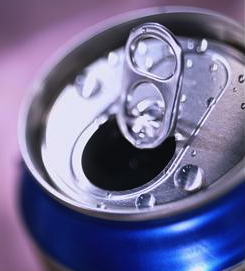
Seven-Up®, created by Charles Griggs in 1929, wasMH900425314 originally named “Bib-Label Lithiated Lemon-Lime Soda” and was used as “a pick me up” drink. It contained seven ingredients and that long mouthful of a name was eventually shortened to 7-UP® as the product became more popular.

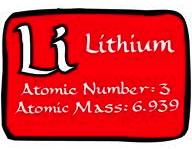
Seven-Up® was originally marketed as an over the counter remedy to cure hangovers. Early advertising stated that “7-Up takes the ouch out of the grouch!” It was the ultimate mood elevator. That’s because until 1948, the product contained lithium citrate, a mood-stabilizing drug.

Lithium citrate, a popular patent medicine in the late 19th and early 20th MB900226428centuries, “evened out” a person’s psyche and brightened the outlook of depressed patients. In later years, lithium became an early treatment for bipolar disease. It was particularly beneficial in softening the manic phase of manic-depression.

By the 1950’s, 7-Up (stripped of its lithium citrate additive) became a popular mixer in alcoholic beverages—again being used to soften one’s mood.

Another popular remedy was Coca-Cola®. Conceived in 1886 and first bottled in 1899 and originally called “Pemberton’s French Wine Cocoa”, the product was initially a version of the European French Wine Cocoa. It was formulated at the Eagle Drug and Chemical Company, a drug store in Columbus, GA owned by pharmacist John Pemberton.

The European version contained both cocaine and alcohol. I should mention thatMH900399919 when cocaine and alcohol are ingested together, they form a chemical called cocaethylene. Cocaethylene works like cocaine in the body, only it produces more euphoria than cocaine alone. Needless to say, the product was very popular in Europe.

The American version contained no alcohol because the Georgia county where Pemberton had his drug store passed prohibition legislation in 1886, making the original French formula illegal. But Pemberton’s product did contain cocaine.

It was recommended as an aid to cure many diseases, including headaches, hysteria and MH900178793melancholy, and morphine addition. Pemberton himself was a morphine addict because of chronic pain that resulted from a Civil War injury. Pemberton eventually increased the popularly of his product by adding sugar syrup to the formula and calling it “Coca-Cola: The Temperance Drink.”

Coca-Cola® quickly became a popular cocktail among wealthy society people as an “intellectual beverage” and was marketed as a valuable “brain tonic” and “nerve stimulant”. Early advertising stated that the product was a delicious, exhilarating, refreshing and invigorating beverage.

Until 1905, Coca-Cola® still contained cocaine, but it took until 1929 to perfect the extraction process and to finally remove trace amounts of coca’s psychoactive elements from the Coca-Cola product that was marketed at the time. The Coca-Cola Company finally trademarked the name “Coke” in 1944.

The Coca-Cola® that’s sold today still contains coca, but theMH900430472 psychotropic alkaloid is completely removed from it. A New Jersey chemical processing facility has that unique job. It’s been reported that the chemical company imports almost 200,000 kilograms of coca each year for Coca-Cola®, or enough to make more than $200 million worth of cocaine.

So, in view of the fact that, until the early 20th century, two of our most popular soft drinks were actually carefully disguised psychotropic street drugs, the current argument against consumption of these products because of potential obesity and deteriorating health doesn’t seem so immediate as it once did. At least now you can swear off sodas without having to go to rehab.

Thoughts? Comments? I’d love to hear them!

Posted in About James J. Murray, About Medications/Pharmacy, Compounding Phamracy, History of 7-Up, History of Coca Cola, History of Coke, History of Seven Up, History of Soft Drinks, Pharmacy/Pharmaceuticals, Soft Drinks and Drugs, Soft Drinks and Health Risks, Soft Drinks and Psychotropic Drugs | Tagged , , , , , , , , , , , , , , , , , , , , , , , , , , , , , , , , , , , , | 8 Comments

The Deadliest Drugs in the United States

I often blog about drugs used as poisons, and I guess that’s why someone asked??????????????????????????????????????? me the other day, “Which drugs are the deadliest in America?”

The question required clarification before answering it. Did he mean the fastest killers, or the most painful drug poisons, or did he want to know something else?

MH900308894I realized that this person wanted to know hard facts. I could speculate that the answer was illegal street drugs, but I needed to research the subject before making any statements that could not be backed up with published data. What I discovered surprised even me.

Statistics indicate that overdose deaths from prescription painkillers areMH900400871 far greater than any other category of drug deaths—so much so that the statistics for deaths from prescription painkillers exceed those of heroin, cocaine and methamphetamine combined.

A recent report from the Centers for Disease Control and Prevention (the CDC) found that nearly 40 Americans die each day (almost 15,000/yr) from overdoses of prescription painkillers (drugs such as Vicodin and OxyContin).

Dr. Thomas Frieden, director of the CDC stated, “We are in the midst of an epidemic of prescription narcotic overdoses.” And it seems that the problem has gotten worse over the years. There has been a three-fold increase in deaths from narcotic painkillers over the past decade alone.

In April of this year, Popular Science published an article on that very subject. MH900321056Accompanying it was an interesting graph depicting the number of deaths per 100,000 people from various drugs (including prescription drugs, street drugs and alcohol). The top two spots for the highest number of deaths per 100,000 were narcotic painkillers and psycho-pharmaceuticals, with heroin and cocaine being farther down the list.

Interestingly, marijuana was not even on the list.  The US Drug Abuse Warning Network (DAWN) indicates that there have been no credible deaths reported from cannabis alone, although we can speculate that there are a number of auto collision deaths that might result from cannabis abuse.

Similarly, the chart represents all deaths in the CDC database under the categories accidental poisoning, intentional self-poisoning, assault by drugs and poisoning with undetermined intent, but does not account for deaths related to drug interactions involving combinations of drugs—often deadly combinations, such as the Houston Cocktail of Vicodin, Flexeril and Xanax. I’ll save that discussion of killer drug combinations for another blog.

What the analysis does show is a doubling of deaths from narcotic overdoses between 1999 and 2010, and approximately 70% of those deaths are listed as “unintentional”—translate that as “accidental overdoses”.

Solutions to this growing problem are not simple. A greater reliance on medication use in modern society has given the average person a complacentMH900337301 attitude regarding prescription drugs, and the “immediate fix” of the modern psyche allows for greater use of prescription pain relievers as alternatives to more time-consuming or more costly measures (such as physical therapy, exercise and invasive medical procedures).

Prescription pain relief comes with its own detrimental cost. As we continue the fight against illegal street drugs, we must also inform the public about the improper use of legal prescription drugs, the additive nature of many pain relievers and the diversion of prescription narcotics for recreational drug use.

MB900409125Listen to your healthcare professional as he/she prescribes or dispenses these medications and read the accompanying literature provided when the drug is purchased. A little education can go a long way toward keeping you from becoming yet another statistic on a chart.

Thoughts? Comments? I’d love to hear them!
Posted in About James J. Murray, About Medications/Pharmacy, Deadliest Drugs in America, Deadliest Drugs in US, Death From Prescription Painkillers, Drug Abuse, Drug Poisoning, Epidemic of Narcotic Overdoses, Food-Drug Interactions, Pharmacy/Pharmaceuticals, Prescription Narcotic Deaths, Prescription Narcotic Overdoses, Prescription Painkiller Overdose | Tagged , , , , , , , , , , , , , , , , , , , | 9 Comments

Ricin – Another Weapon of Terror

It’s often said that fact is stranger than fiction, so I pose thisMH900382649 seemingly ridiculous question to you– What do a martial arts instructor, an Elvis impersonator and the deadly chemical agent ricin have in common?

The answer has been in the news recentlyAll three are linked to the attempted murders of a U.S. senator and the President.

Earlier this month, an envelope addressed to Senator Roger Wicker, a Republican from Mississippi, allegedly contained the deadly substance ricin. And just a day later, a similar letter addressed toMH900427811 President Obama was discovered and it also allegedly contained a white granular powder that was later identified as ricin. Fortunately, both letters were opened off-site and they never got close to the intended targets.

As the investigations progressed, it was revealed that an Elvis impersonator was connected to the crime. Further evidence indicated that the accused might have been the target of a frame that resulted from a long-standing feud with a martial arts instructor. It’s MH900412606now believed that this second person may be the real perpetrator and is being charged with developing and possessing ricin, and then attempting to use it as a deadly weapon. If convicted, this martial arts instructor could face a maximum sentence of life imprisonment and a $250,000 fine.

Ricin is one of the most poisonous chemicals on Earth. It’s a highly lethal poison found naturally in castor beans and there is no known antidote.

The chemical Ricin is a naturally occurring protein from the castor oil plant. It’s extracted from the waste matter (called the “mash”) left over from processing castor beans into castor oil. Ricin can be made in the form of a powder, a mist, a pellet, or it can be dissolved in water.

It’s important to point out that commercial castor oil contains none of the toxic proteins from the mash and is a safe product to use.

The medium lethal oral dose of ricin is a little over 3mg. That meansMH900422326 a dose of pure ricin about the size of a few grains of table salt can kill an adult human. If the chemical is injected or inhaled, the dose is even lower, about 1.5mg to kill a 150-lb adult.

As with most chemicals, various factors determine how sick a person will become when exposed, and if it will be fatal. These include how much ricin a person is exposed to, how long the exposure lasts, and what exposure method is used. For instance, inhalation and injection are almost always fatal, but ingestion may only make a person extremely sick, especially if medical support is rapidly provided.

The purity of ricin can also significantly affect how lethal a dose is. When the chemical is purified by special, technically advanced processes, the substance is much more deadly than “back kitchen” processing.

Ricin kills by infecting our cellular structures and blocking their ability to synthesize their own proteins. When a cell cannot make protein, key bodily functions shut down and progressive organ failure usually results in death. Even when a person survives ricin poisoning, permanent organ damage often results.

The progression to death is extremely unpleasant. Usually, humans exposed to a lethal oral dose will experience severe vomiting and diarrhea within six hours of exposure and this results in serious dehydration. Eventually, the kidneys, liver and pancreas fail. Death follows soon after.

Inhalation of ricin, on the other hand, produces different effects since the poison interacts with other body parts. Inhaled ricin causes a vicious, bloody cough and the lungs fill with fluid. Eventually, the lungs become so fluid filled that the victim loses the ability to breathe. In effect, the person drowns in the body’s own fluids.

MH900308894Lethal doses of ricin that are injected usually result in intense flu-like symptoms, swelling around the injection site, and eventual progressive organ failure as the poison circulates throughout the body.MH900295297

Death from inhalation or injection occurs in about three to five days after contact, but it could be as rapid as 36 to 72 hours. And the death is an agonizing one.

Unfortunately, various techniques for making this poison are readily available on the Internet, and periodically this method of murder is used in terror plots against government or corporate personnel. Therefore, murder by ricin can be categorized as a murder “ripped from the headlines”, making it an interesting and often used lethal weapon on TV, in the movies and in novels.

Of course, if you’ve been reading my past blogs, there are much more imaginative methods for killing off characters in your novels, and I’ll discuss some of them in future blogs.

Thoughts? Comments? I’d love to hear them!

Posted in About James J. Murray, About Medications/Pharmacy, Bloodless Death Scene Writing, Bloodless Death Scenes, Death by Ricin Poisoning, Drug Poisoning, Murder by Ricin, Ricin, Ricin as a Deadly Poison, Ricin as a Weapon of Terror, Ricin in Letters, Ricin in the Mail, Ricin in the News | Tagged , , , , , , , , , , , , , , , , , , , , , , , , , | 9 Comments

THALLIUM – The Poisoner’s Poison!

It’s not often that I come across a method to kill a character in one of my MH900414033novels with delightful efficiency and flair, but thallium is one of those chemicals. It piqued my interest some time ago and I couldn’t resist sharing it with you.

Thallium is a bluish-white metal that, in pure form, is MH900400628odorless and tasteless. When combined with chorine, it turns colorless and dissolves well in water. That means it’s not easily detected in food or drink. To me, thallium seemed like a perfect substance to kill a fictional character and, as I researched the subject in greater detail, I was right.

In years past, thallium was used as a rat poison and an ant killer, but since 1975 it’s been banned in the United States and many other countries due to safety concerns. It’s highly toxic and readily absorbed through the pores of skin.

Thallium’s extreme toxicity is due in part to its chemical similarity to potassium. It uses the body’s potassium uptake pathways to be absorbed, although it bypasses the natural self-limiting mechanism that we have for potassium ingestion. Thallium also binds with sulfur, an element essential for nutrient absorption and utilization, and it disrupts necessary cellular processes. That’s primarily why it’s such a good rat poison.

One of its more distinctive side effects is hair loss. In fact, it was once used as a MH900440370depilatory agent before its toxicity was fully appreciated. Another distinctive sign of thallium poisoning is that it damages peripheral nerves, causing excruciating pain. Victims are said to experience severe stomach cramps, nausea, and sensations similar to walking slowly over hot coals—in short, it’s a dramatic way to kill off a character you no longer need.

Thallium was very popular in the past as a murder weapon. In fact, it was often referred to as “The Poisoner’s Poison” and “The Inheritance Powder”.

Investigations into suspicious deaths have discovered thallium in tea, sodas,MH900321132soups and various foods. Radioactive thallium poisoning was said to be a favorite of KGB assassins and documentation suggests that Saddam Hussein used it to poison dissidents.

Murders from thallium have fallen out of favor in more recent mystery novels, but the substance has taken center stage in thrillers and stories of international intrigue.

But be warned! There are now diagnostic tools to detect and quantify thallium MH900448470poisoning in blood and urine to aid medical and legal investigators looking into suspicious deaths. Normal body concentrations are minimal (usually less than 1mcg/L), but a poisoned victim could have a thousand to ten thousand times this normal level (1-10mg/L). But without body fluid analysis, symptoms easily could be attributed to some other illness. It’s reasonable to assume that proper diagnosis might not be made before death occurs.

Depending on the thallium dose and the duration of exposure, a patient might recover with an antidote (Prussian blue, for example) and other life support treatments. More likely, however, the victim will be beyond hope and die a painful death within days of exposure.

Fortunately, thallium is more regulated now than it was in the past. Presently, it’s used mainly in manufacturing electronic devices and semiconductor parts. However, I’m sure a creative villain can find a reliable source when the need arises.

Thoughts? Comments? I’d love to hear them!

Posted in About James J. Murray, About Medications/Pharmacy, Bloodless Death Scene Writing, Bloodless Death Scenes, Character development, Drug Poisoning, Drugs Used For Murder, Neurological Poisons, Pharmacy/Pharmaceuticals, Radioactive Thallium Poisoning, Thallium Poisoning, Thallium Used to Murder, The Poisoner's Poison | Tagged , , , , , , , , , , , , , , , , , , , | 8 Comments

Red Wine and Dark Chocolate are the Best Drugs!

Two of my favorite food groups: red wine and dark chocolate – and now I MH900448355discover that both are among the healthiest foods one can eat. But hold on a minute. There’s a catch.

Scientists have found that it’s not the wine or the MH900314312chocolate themselves that are beneficial. It’s a chemical within them called resveratrol. That’s the healthy part.

In animal studies, resveratrol has been shown to prevent both disease and aging. It’s been discussed as a fountain of youth.MH900405288 The problem is that you’d have to drink a river of red wine (about 100 bottles per day) or eat a football field of dark chocolate to experience life-changing health benefits.

As a clinical pharmacist, I’ve often said that we can live better through chemistry. And that mantra could be true in this case. Although we can’t drink enough red wine or eat enough dark chocolate to prevent disease or reverse the aging process, we can isolate the chemical, duplicate it in a lab and develop drugs that act like concentrated resveratrol. If scientists accomplish that, we could truly have a pharmaceutical fountain of youth!

The basis for that bold statement is that resveratrol stimulates specific proteins in our bodies. These proteins are called sirtuin proteins (or SIRT1 for short). They break down certain types of damaging proteins and instruct other proteins to repair and regenerate cells.

Over a decade ago, MIT biology professor Leonard Guarente conducted animal studies to understand the function of sirtuin proteins. He discovered that when mice were genetically altered to remove SIRT1 from their bodies, the mice developed metabolic diseases—like diabetes—and were more likely to develop inflammatory diseases and become obese. Conversely, when SIRT1 was present and SIRT1 was stimulated, older mice appeared to be much younger and healthier.

Additional studies conducted at MIT have determined that the SIRT1 present in the brain protects against the neurodegeneration that happens with Alzheimer’s, Huntington’s and Parkinson’s diseases.

Since stimulation of sirtiun proteins appear to reduce disease and the effects of MH900400870aging (both mentally and physically) in mice, researchers are studying ways to produce a drug that acts like concentrated resveratrol. By stimulating sirtuin proteins with a pharmaceutical equivalent of pure resveratrol, scientists potentially could extend life spans by countering the effects of obesity, certain diseases and the onset of aging.

But are we ready to live better through chemistry with a pharmaceutical fountain of youth? Only time will tell as further studies are completed and the results unfold.

Thoughts? Comments? I’d love to hear them!
Posted in About James J. Murray, About Medications/Pharmacy, Dark Chocolate for Health, Drugs That Prevent Aging, Foods For Health, Foods to Prevent Aging, Pharmaceutical Fountain of Youth, Pharmacy/Pharmaceuticals, Red Wine for Health, Resveratrol for Health, Resveratrol Research | Tagged , , , , , , , , , , , , , , , , , , , , , , , , , , | 5 Comments