
 When someone dies, they’re dead, right? Well . . . maybe not. And when someone dies at the hand of another, that’s a murder, right? Well . . . maybe that’s true, or maybe not.
Sure, there are various degrees of murder, ranging from intentional to unintentional homicide—and those include legal terms such as first degree or second degree murder, negligent homicide, etc.
But what if the dead person simply wakes up and walks out of the morgue? Is that considered a murder, or is that an “almost murder” if the person wakes up the next day and recovers from that dastardly deed?
Legally, people are either dead or not! Is an “almost murder” called an assault? What if the person was not technically harmed, nor remembers any such event? What is that called?
Three years ago, I published a murder mystery novel that featured my favorite detective duo—Homicide Detective Rosie Young and her partner Detective Vince Mendez. Rosie is tough, single-minded and a no-nonsense investigator. Vince, on the other hand, is more laid back. He kicks back and analyzes more than Rosie. She’s inclined to power her way through a case and pull out all the stops to find the bad guy.
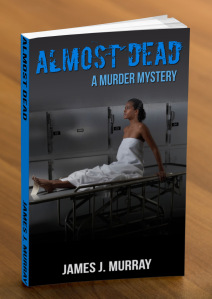
In my Novel ALMOST DEAD, these detectives encounter the true challenge of their 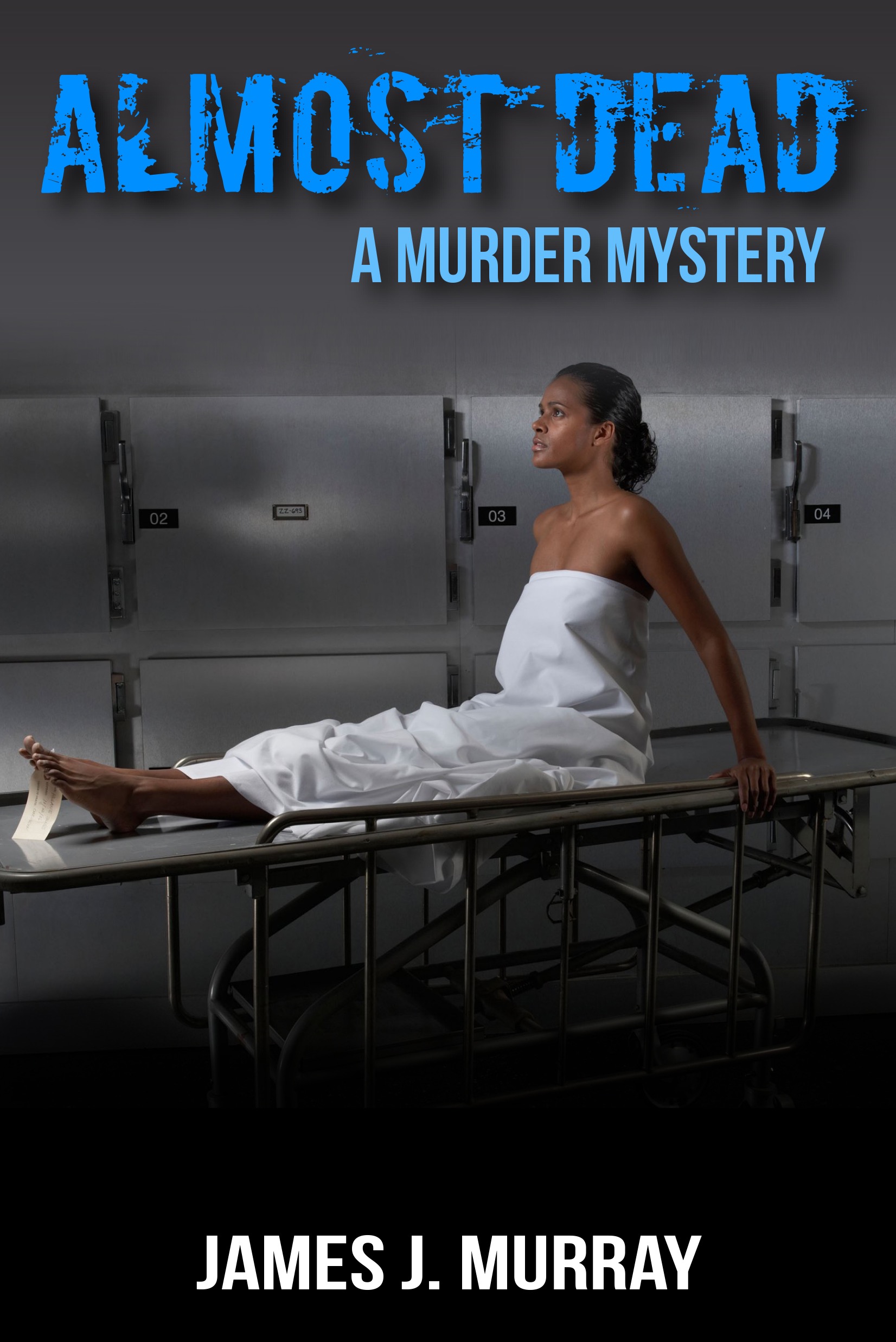 lifetime when, not one, but two murder victims wake up within 24-hours of their “murder” and simply move on with their lives as if nothing had happened. So, that can’t be called a murder, right?
Well, these victims appear dead with all the diagnostic clues of end of life—no muscle, corneal or gag reflexes, no detectable heartbeat or breath sounds. They were pronounced dead by the coroner beyond a shadow of a doubt!
Impossible, you say? Maybe, but there is science to explain such events. And, of course, drugs do exist that, when administered in the proper dosages, can create a situation that mimics death. In my novel I use both the science of physiology and some interesting pharmaceutical agents to make that very thing happen.
There is a long list of drugs, both from ancient times and the present, that can mimic death, and I’ve blogged about them in the past. The problem with most is that they are short-acting, and larger doses that can prolong a deep comatose state either produce violent side effects or lead to a truly lethal outcome.
In ALMOST DEAD, I create the plot and the perfect combination of drugs to produce unique and believable death scenes that prove to be only temporary with the victims not staying dead.
The chase to find answers and uncover the person responsible for such craziness leads Detectives Rosie Young and Vince Mendez on a multi-faceted, fast-paced hunt of this elusive villain and leaves a body count of truly dead people in their wake.
ALMOST DEAD is the first in my detective series. Book two is my current work in process and will be published toward the end of this year.
Almost Dead – A Murder Mystery Novel
“Intriguing and Great Entertainment!”
Click HERE for Amazon Download
(Available in eBook or Paperback Formats)





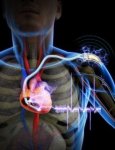 Heart stimulators, commonly called pacemakers, are small devices implanted in patients to control abnormal heart rhythms. Such cardiac abnormalities are commonly referred to as heart arrhythmias, and pacemakers emit electrical pulses to prompt the heart to beat at a normal pace to prevent those irregular heartbeats.
 battery packs placed in the chest or abdomen. They are very small devices, about the size of a pill, and have internal batteries that can last for about 12 years.
 stimulate the next heartbeat, and so on and so forth. It’s like a good vicious cycle of cause and effect.
 of the various series that captured our interests. One of the reasons we enjoy medical shows so much is that it gives insight into cutting edge medical technology, and that was our business in our previous professional world.
 increases cholesterol levels to sometimes dangerous levels, and increases the chance of diabetes and kidney failure. They also doom a transplant recipient to a life of taking up to 40 pills a day to prevent infections while tamping down the body’s natural immune system to accept the new organ.
 regimen in time.
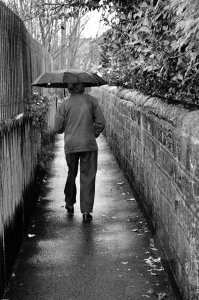 The winter months can quickly become times of isolation and our realities devolve into gloominess. It certainly can affect our outlook on life in general. Scientists call it Seasonal Affected Disorder (SAD), and we casually refer to this mindset as the Winter Blues. Even the reality of facing the difficulty of sticking to (or already failing at) our new year’s resolutions can give a negative spin to our mood.
 warm, but that isolates us and keeps us more in the dark. Put on a coat and take a walk. Get out of the house for a short stroll in your neighborhood or in a park. Even lightening up your home by opening the window coverings for an hour a day can help.
 and more content. Consider chamomile tea to not only warm your tummy but also to warm your mood. A University of Pennsylvania study found that chamomile significantly eased symptoms of anxiety.

 To You and Yours!!
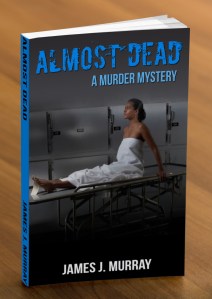
 Prescription For Murder