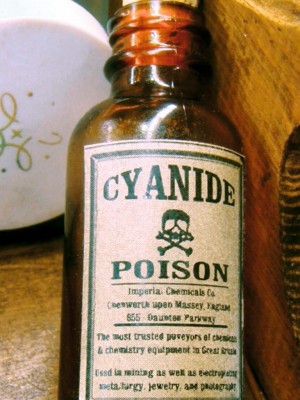
CYANIDE – A Classic Murder Weapon!

il_fullxfull.364865330_m5efIf you’ve been paying attention to my blogs over the last three weeks, you’ll notice that I’ve been writing about some classic poisons that have been used throughout history as murder weapons and which have been the lethal elements of choice in a variety of murder mysteries.

Today’s posting rounds out those recent blogs, as well as others that I’ve written in the past, to complete a collection of discussions on the world’s most famous poisons. The list includes aconite, arsenic, belladonna, botulinum toxin, dimethylmercury, elemental mercury, hemlock, polonium, tetrodotoxin and now cyanide. Hyperlinks are provided to those blogs as a reference.

Cyanide is a dramatic killer. As little as 100mg can be lethal, and it’s a rapidCYANIDE-e1325722958682-1 kill. Death can occur within a minute or up to 15 agonizing minutes, depending on the dose and the method of administration.
This poison was first used as a chemical weapon in the form of a gas during World War I and later in the Nazi gas chambers during the Holocaust. In the 1980s, it was used on the Kurdish inhabitants of northern Iraq during the Iran-Iraq War.

It became a famous method of murder in mystery novels (think Agatha Christie) and various spy novels in which captured spies commit suicide by swallowing cyanide pills.

Cyanide exists as a gas, a liquid or in solid form. Hydrogen cyanide liquid is extremely volatile, however, and boils off (vaporizes to a gas) at warm room temperatures (78.1˚F / 25.6˚C). The liquid is almost colorless to a transparent pale blue color. It gives off a bitter almond smell (a sweet cherry-like smell) that is so faint some may not even be able to detect the odor.

Solid cyanide exhibits in crystalline form, mainly as sodium cyanide or potassium cyanide, but the crystals are so fine that they appear to be a white powder.

Poisoning with cyanide may be a difficult crime to detect. The effects of cyanide poisoning exhibit as suffocation, with initial symptoms similar to the shortness of breath climbers or hikers experience at high altitudes.

This happens because cyanide prevents the cells of the body from being able to use oxygen. It inhibits an enzyme in the mitochondria of cells from doing its vital job of capturing oxygen and transporting it into cells.

The initial symptoms of cyanide poisoning include general weakness, shortness of breath, confusion, headache, dizziness, excessive sleepiness and bizarre behaviors. The symptoms progress to seizures, coma and eventual death.

An acute dose of cyanide will have a dramatic and rapid onset. It immediately affects the heart and the victim suddenly collapses, as in a heart attack. When the poison is circulated to the brain, seizures and coma precede death.

Chronic cyanide poisoning with low doses over a longer period of time, however, will exhibit these same symptoms, but the onset is much more gradual and is dose dependent.

Pink not Blue-1 (3) (1)_html_m79c723bbThe most notable telltale sign of cyanide poisoning is an unusually pink color to the victim’s skin (or even cherry-red) because oxygen remains in the blood rather than transferring to the body’s cells. The body is simply starved for oxygen. The victim may breathe rapidly and have an initial fast heartbeat that slows as oxygen starvation progresses.

Another unique sign of cyanide poisoning is that the victim’s breath mayimages-3 smell faintly like bitter almonds, but it may be so slight that this evidence might be overlooked.

Cyanide is present in many common substances found around the home: almonds, apple seeds, apricot kernels, some insecticides and pesticides, and it is plentiful in tobacco smoke.

A common accidental cyanide poisoning occurs with house fires. The victims are overcome by smoke inhalation while common household items like rubber, plastics and silk burn and create cyanide fumes.

So for an easy to use, difficult to detect, rapid and very effective poison, there is nothing sweeter than cyanide. But be sure to look for that telltale bitter almond smell on the victim’s breath and notice their rosy pink complexion.

Thoughts? Comments? I’d love to hear them!

Posted in A How To Blog on Murder Weapons, About James J. Murray, About Murder, Acute Poisons, All About Murder, Blog Writers, Blogging, Bloodless Death Scene Writing, Chemical Poisons, Chronic Poisons, Cyanide and House Fires, Cyanide As A Poison, Cyanide in Household Foods, Cyanide in Household Items, Cyanide Is A Dramatic Killer, Cyanide Poisoning Symptoms, Cyanide Poisoning Telltale Signs, Dramatic Murder Weapons, Drug Poisoning, Drugs For Murder Plots, Ideas for Murder Scenes, Instruments of Death, Interesting Murder Weapons, Lethal Chemical Poisons, Lethal Substances Used For Murder, Murder Weapons, Murder With Cyanide, Plotting Interesting Murder Scenes, Poisons and Murder, The Science of Murder, Tools for Murder, Top Ten Most Famous Poisons, Uncategorized, Ways To Kill, Ways to Murder | Tagged , , , , , , , , , , , , , , , , , , , , , , , , , , , , | 8 Comments

BOTULISM – A Paralytic Nerve Toxin

Botulism, as an accidental illness, is rare these days. More sophisticated canning homecanningprocesses and better preservation of food products have prevented this serious neurotoxin from poisoning those in the modern world.

Intentional poisonings, however, are another story. The botulism toxin (called botulinum) is one of the most poisonous substances known to man. It is said to be 10,000 times more deadly than cyanide, and it’s been estimated that a lethal human dose is in the range of two nanograms. That translates to two billionths of a gram (think of a paperclip as weighing one gram). Therefore, deadly doses are not even visible to the naked eye.

There are seven types of botulism, but only three MAIN types. These are:

Food-Borne Botulism – This type of illness usually exhibits symptoms within four to 36 hours after ingesting a contaminated food product. The symptoms include dry mouth,bilateral-ptosis-1 difficulty speaking and swallowing, weakness of the facial muscles, blurred or double vision, drooping eyelids, as well as nausea and vomiting. Eventual respiratory shutdown and general muscle paralysis are the usual the causes of death. It’s good practice NOT to taste test food that may have gone bad.

Wound Botulism – This from of the disease is usually seen with those who inject drugs several times a day, as with people who use heroin. The symptoms and eventual lethal outcome are similar to food-borne botulism.

Infant Botulism – Babies who consume the spores of the bacteria will develop this form of the disease. The spores grow in infant intestines and release the neurotoxin. Honey can contain botulism spores and this is often a source of the disease for infants. Honey should not be fed to babies less than one year of age.

The botulism neurotoxin is produced mainly by Clostridium botulinum bacterium. The 22_zps98330277neurotoxin is so lethal that it is listed as a potential biological weapon by the United States Department of Defense. Deliberate food-borne botulism has the potential to poison many of the population and is considered a public health risk.

Food-borne botulism is the form often used as a murder weapon and which has the potential to be used as a bio-weapon. The cause of death is usually from suffocation due to respiratory muscle paralysis.

In 2001, a civilian bio-defense group issued a consensus statement regarding the dangers of botulism. The Centers For Disease Control (CDC) has classified this toxin as a Category A Agent because of its potential as a biological agent and the fact that it can be used as either an aerosolized or food-borne weapon.

Botulinum spores are extremely hardy entities. They survive boiling temperatures for over three hours. They are resistant to ultra violet light, irradiation and alcohols. These spores are said to survive in the dry state for over 30 years and can be reactivated by heating them, so storage for future weapon use is not a problem.

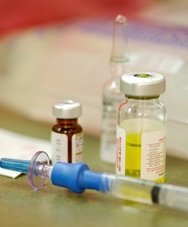
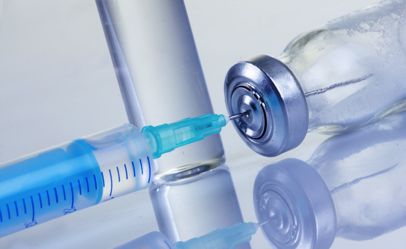
The good news is that the spores may be killed by chlorine disinfectants. And about twoSyringeVialMain years ago the FDA approved a botulism antitoxin drug, which is said to neutralize all seven known forms of the disease.

Survival depends on early initiation of treatment with the antitoxin, supportive medical care (such as breathing machine support and stomach pumping) and appropriate antibiotic use. But the recovery process can be lengthy, with assisted ventilation continuing for weeks and even months after the initial symptoms occur.

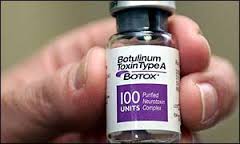
However, this same neurotoxin, when prepared in dilute concentrations, is used images-1commercially to treat medical and cosmetic conditions. It amazes me, and even boggles my mind, that a substance with such destructive potential can be harnessed and used in beneficial ways.

Thoughts? Comments? I’d love to hear them!

Posted in A How To Blog on Murder Plot Ideas, A How To Blog on Murder Weapons, About James J. Murray, About Murder, Acute Poisons, All About Murder, Bio-Defense, Biological Weapons, Bioterrorism, Blog Writers, Blogging, Bloodless Death Scenes, Botulinum Toxin, Botulism, Botulism as a Bioweapon, Botulism as a Public Health Risk, Chemical Poisons, Chemicals Used For Murder, Clostridium Botulinum Bacteria, Deadly Poisons Discussed, Designer Poisons Used For Murder, Dramatic Murder Weapons, Drugs and Bioterrorism, Drugs For Murder Plots, Ideas for Murder Scenes, Instruments of Death, Interesting Murder Weapons, Killing With Lethal Microbes, Microbes Used To Murder, Murder Weapons Discussed, Mysteries and Thrillers Compared, Neurotoxin Poisons, Paralytic Nerve Toxins, Paralytic Poisons and Murder, The Science of Murder, Tools of Murder, Ways to Murder | Tagged , , , , , , , , , , , , , , , , , , , , , , , , , , , , , , , | 1 Comment

BELLADONNA – It’s More Than A Beautiful Woman

Often some of the most deadly substances were once used for cosmetic purposes—that is,bald-head before their lethal qualities became obvious. An example of such commercial carelessness was thallium being marketed as a depilatory agent. It effectively removed unwanted hair, but it had a rather severe side effect of killing the person in the process.

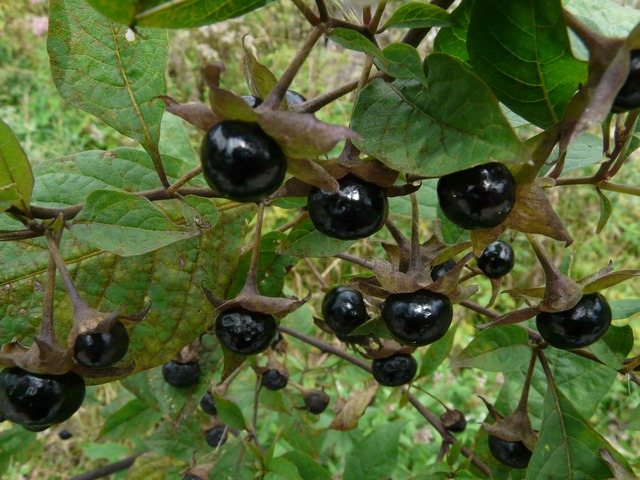
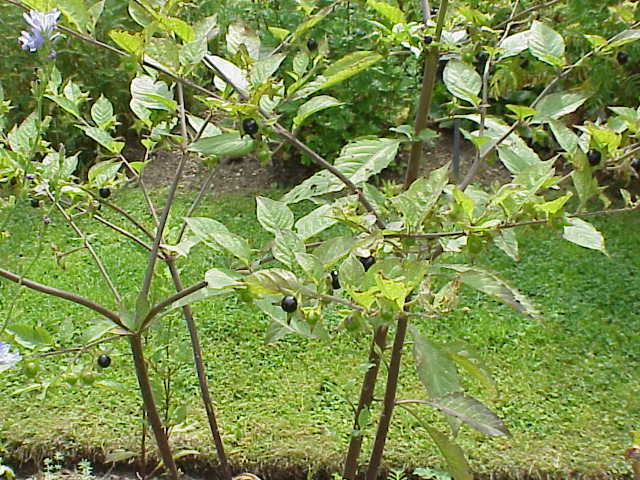
Belladonna, known as Atropa belladonna and more commonly called deadly nightshade, is another interesting lethal substance that has been used as a cosmetic throughout history.

imagesIn Roman times, diluted eye drops of belladonna dilated the pupils, which was thought to make women more seductive. And if gently rubbed on the cheeks of the face, belladonna produced an interesting reddish blush. Although these practices have fallen out of favor because they cause dangerous increases in heart rates and possible blindness, there are still commercial products available that contain belladonna.

Deadly nightshade (belladonna) is considered one of the most toxic of plants in the Eastern Hemisphere. All parts of this botanical contain toxic alkaloids. While the roots are the most deadly part, poisonous alkaloids are present throughout the plant.

Scopolamine and hyoscyamine are the main toxins in the plant and these produce extreme delirium and hallucinations. I’ve written about these alkaloids in other blogs (here and here) since they are present in some modern pharmaceuticals used for motion sickness. They have the potential for a serious interaction with alcohol to produce temporary amnesia.

The berries of the belladonna plant create the greatest danger to children sincetumblr_mh2xpaXPZf1qjwd8go1_1280 they look as attractive as fruit and have a somewhat sweet taste. Two consumed berries can kill a child, and it takes about 10 to 20 berries to kill an adult (depending on a person’s body mass).

Adding the berries to food during preparation would make for an interesting method of murder for the mystery writer searching for a simple murder weapon. A more efficient use of this plant, however, would be to use the root or a leaf to murder. It’s been documented that a single leaf of the belladonna plant can be fatal to an adult.

Atropa_bella-donna1It’s interesting to note, however, that many animals (cattle, horses, rabbits, goats and sheep) can eat the plant without ill effects, but many domestic pets are vulnerable to its toxicity.

Belladonna has been used for centuries in herbal remedies as ail_fullxfull.365492870_gexq pain reliever, a muscle relaxant, for motion sickness and as an anti-inflammatory agent. The US Pharmacopeia still lists the methodology to prepare tincture of belladonna. In medical literature, its indications for use include being an antidote for certain poisonings (such as opium and chloroform) and the deadly insecticide parathion.

So, while belladonna might be considered “old school” for deadly poisons, this toxic botanical continues to be in the top 10 list of efficient murder weapons because of its effectiveness, its relative ease of availability and because it discreetly hides in food or drink.

Thoughts? Comments? I’d love to hear them!

Posted in A How To Blog on Murder Plot Ideas, A How To Blog on Murder Weapons, About James J. Murray, About Murder, Belladonna and Hyoscyamine Toxins, Belladonna and Scopolamine Toxins, Belladonna As A Murder Weapon, Belladonna Drugs, Blog Writers, Blogging, Bloodless Death Scene Writing, Botanical Murder Weapons, Botanicals That Kill, Chemicals Used For Murder, Deadly Cosmetics, Deadly Plant Poisons, Dramatic Murder Weapons, Drug Poisoning, Drugs For Murder Plots, Drugs Made From Deadly Nightshade, Drugs Used For Murder, Ideas for Murder Scenes, Instruments of Death, Interesting Murder Weapons, Killing With Poisonous Plants, Lethal Agents and Murder, Lethal Botanicals, Murder Weapons, Murder With Poisonous Plants, Paralytic Shellfish Poisoning, Plant Poisons, Plants Used For Murder, Plotting Interesting Murder Scenes, Poisonous Plants, Poisons and Murder, Scopolamine Adverse Effects, Scopolamine and Amnesia, The Science of Murder, The Toxicity of Deadly Nightshade, The Toxicity of the Belladonna Plant, Tools for Murder, Uses of Tincture of Belladonna, Using Deadly Nightshade as a Murder Weapon, Ways To Kill | Tagged , , , , , , , , , , , , , , , , , , , , , , , , , , , , , , | 1 Comment

ARSENIC – The King of Poisons

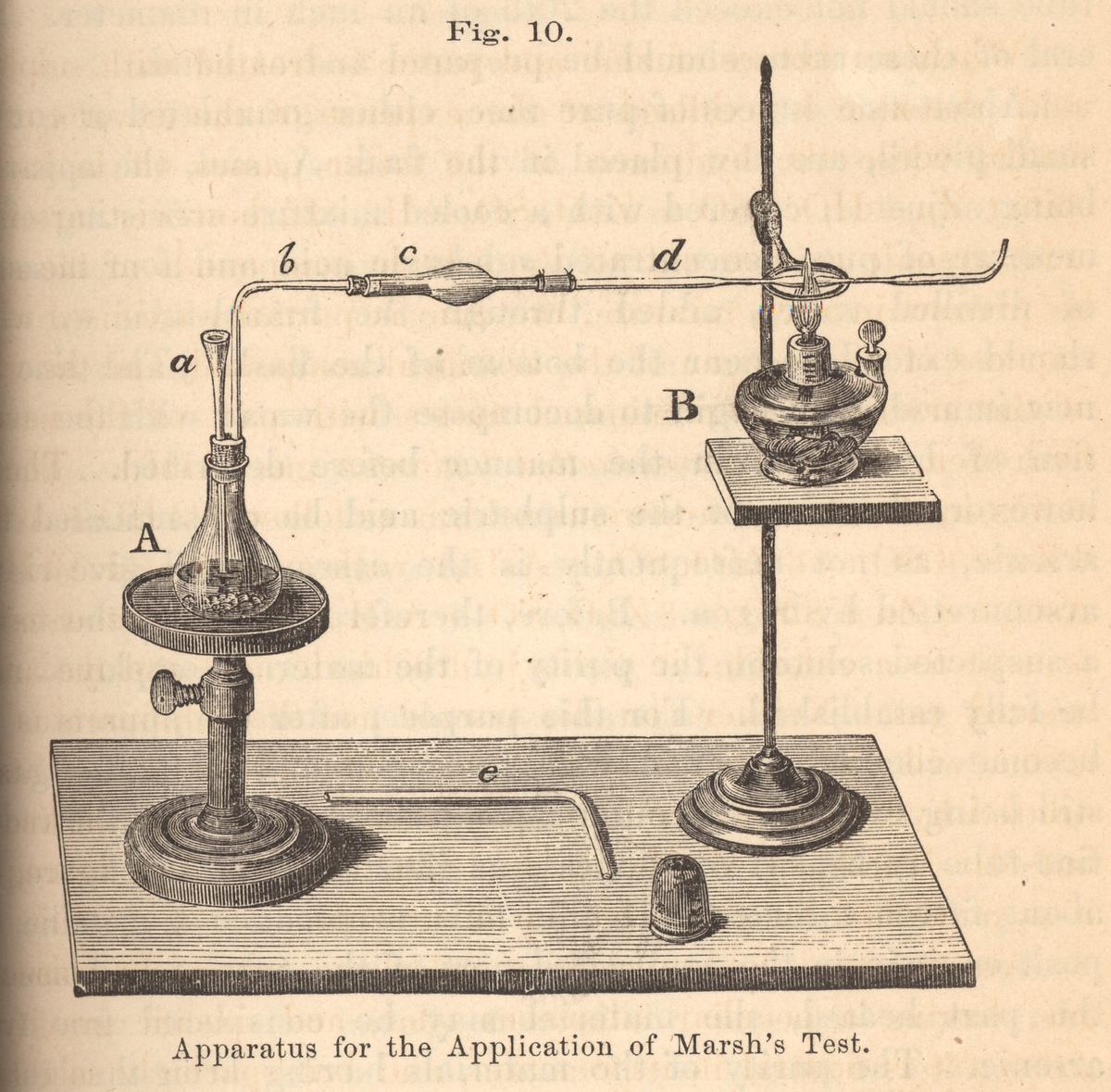
Virtually imperceptible in the past when used as a poison, arsenic became known as ii_b_114c“The King of Poisons” because of its lethal potency and because it was undetectable. Then the Marsh test came into use in 1836!

From that point forward, arsenic trace evidence could be identified in liquids and in food. That’s when the chemical became famous as a dramatic murder weapon and was known as the perfect poison to be used in a murder mystery.

In convincing reports, several famous people have been murdered with arsenic: Napoleon Bonaparte, Simon Bolivar and King George the 3rd of England.

The progression to death is dependent on the dose, but the initial symptoms ofmh_capd_fig26-6.tif arsenic poisoning exhibit as headaches, confusion, diarrhea and drowsiness. Often white spots or lines appear on the person’s nails. This malady is called leukonychia, a harmless condition but a definite sign of arsenic poisoning.

As the poison concentrates in the body, the symptoms progress to acute vomiting, blood in the urine, hair loss, muscle cramps and a metallic taste in the mouth. The person will have difficulty swallowing, will begin to salivate excessively and have a pale/pasty white complexion.

But people have been poisoned with arsenic without malfeasance. Arsenic is thnaturally present in the world and high concentrations can be found in ground water that people drink. A 2007 study found that 137 million people in 70 countries exhibited mild symptoms of arsenic poisoning from grains, produce and normal drinking water.

There are reports that increased consumption of arsenic causes cancer and may heighten the risk of skin, stomach and kidney cancers; but the studies appear to be inconclusive, and they have not been substantiated in the laboratory.

Current commercial uses of arsenic include it as a preservative in lumber and animal hides, in pesticides, as an additive to lead in lead-acid batteries and in glass manufacturing, and as a gas to enhance the performance of semiconductors. Some of these commercial uses, however, have been outlawed in the United States.

Vintage arsenic poison bottle on antique shelf

Ironically, there are medical benefits to arsenic. Some studies have shown the chemical to be useful in TREATING certain cancers, sending the cancer into remission. That’s an interesting fact since arsenic was previously thought to CAUSE cancer.

And in the past, women would consume a couple of drops of arsenic to enhance their beauty. It would cause the complexion to turn white and pale.

As I’ve seen on many occasions with chemicals, there are benefits and drawbacks with any potent element. But a murder mystery writer can’t go wrong when expertly exploiting the lethal qualities of this spectacular poison!

Thoughts? Comments? I’d love to hear them!
Posted in A How To Blog on Murder Plot Ideas, A How To Blog on Murder Weapons, About James J. Murray, About Murder, Arsenic, Arsenic and Cancer, Arsenic As A Murder Weapon, Arsenic Health Benefits and Risks, Arsenic in Murder Mysteries, Arsenic Present in Nature, Blog Writers, Blogging, Bloodless Death Scene Writing, Characteristics of Murder, Chemicals Used For Murder, Deadly Poisons Discussed, Deciding How to Kill Off a Character in a Novel, Designing Murder Plots, Dramatic Murder Weapons, How to Choose a Murder Weapon for a Plot Idea, Ideas for Murder Scenes, Instruments of Death, Interesting Murder Weapons, Killing a Villain in a Novel, Lethal Agents and Murder, Murder Weapons Discussed, Plotting Interesting Murder Scenes, Poisons and Murder, Poisons Used For Murder, The Science of Murder, Tools of Murder, Unique Murder Plots, Ways to Murder | Tagged , , , , , , , , , , , , , , , , , , , , | 4 Comments

Oleander – A Beautiful But Deadly Plant!

Drugs are designed to cure illnesses, but at times they can also become200px-Oleandrin-skeletal.svg instruments of death. And historically, many drugs originated as botanicals. Even today, many drugs and their active ingredients come from plant sources.

Awhile back, I came across an interesting report that described a drug from plant origin that can both cure and kill. As I read the article describing what is being developed from the sap of the oleander plant, I remembered what my mother used to tell me. “Stay away from the oleander. It’s poison!”

STAG_001858The oleander plant (Nerium oleander) is a common shrub found in warm Southern climates. It grows as tall as twelve feet and produces beautiful, fragrant, colorful blossoms.

Oleander is indeed a poisonous plant. The milky sap from the leaves and stems contain oleandrin, a powerful cardiac glycoside so toxic that ingesting one leaf has been reported to kill a small child. Although documentation is poor regarding the exact toxicity of the sap, it’s been estimated that ingesting 15-20 leaves would kill a normal adult (Yes, I also wonder who would enjoy a lunch of oleander leaves).

Symptoms of an overdose include gastrointestinal (nausea, vomiting, diarrhea), cardiac (interestingly, both lethal slowing and rapid increases in heart rates) and neurological (tremors, loss of muscle control, seizures).

Accidental poisoning from oleandrin ingestion can be deadly and articles are published so that physicians have established medical protocols to deal with such potentially lethal poisoning.

On the other hand, oleandrin—when properly prepared as a drug—has been used Nameless_Tomb_by_SonuMasamunebeneficially for years. In Russia and China, it is used to treat congestive heart failure and cardiac arrhythmias. An interesting tidbit is that it is also a popular method of suicide in both of those countries. Such actions are also becoming a growing concern in Sri Lanka.

Presently, oleandrin is being studied as a promising anti-cancer treatment. Patented drug extracts are being investigated at the Memorial Sloan Kettering Cancer Center for various innovative treatments of cancers. Other studies have investigated the cytotoxic properties of oleandrin for treating melanomas.

As I’ve read about these new drug developments, I thought about how drugs have been used throughout the ages to cure and kill. Ancient alchemy, as a precursor to modern pharmacology, produced wonderful life-saving medicines while at the same time spawning lethal poisons for primitive weapons such as darts and arrows.

Prescription-DrugsModern pharmacology has furthered this balance of curative and lethal science in much the same way—so many ways to heal, and yet so many methods to kill. I find it especially interesting that many modern drugs have a narrow therapeutic window in that a small amount of drug is good, but a little more can be deadly.

As a writer, that gives me a multitude of plot ideas. How about you? Happy writing!

Thoughts? Comments? I’d love to hear them!
Posted in A How To Blog on Murder Plot Ideas, About James J. Murray, About Medications/Pharmacy, About Murder, All About Murder, Blog Writers, Blogging, Bloodless Death Scene Writing, Botanical Murder Weapons, Chemicals Used For Murder, Designing Murder Plots, Drug Poisoning, Drugs For Murder Plots, Drugs From Oleander Plant, Drugs Used For Murder, Ideas for Murder Scenes, Interesting Murder Weapons, Killing With Poisonous Plants, Lethal Agents and Murder, Murder Weapons Discussed, Murder With Oleander, Murder With Poisonous Plants, New Drug Discoveries, New Drug Research, New Methods of Murder, Oleander Plant, Oleander Poisoning, Oleandrin, Pharmacy/Pharmaceuticals, Plant Poisons, Plants That Kill, Plants Used For Murder, Poisons Used For Murder, The Science of Murder, Tools of Murder, Ways to Murder | Tagged , , , , , , , , , , , , , , , , , , , , , , , , , , , , , , , , , , , , , , , , , | 10 Comments

Nanoparticles to Cure—And to Kill!

Medical science in the 21st century is increasingly more sophisticated and growing exponentially. One of the more fascinating areas of medical research involves the evolution of nanoparticles.

nanotechnology-in-medicineNanoparticles are (in simple terms) small objects that behave as a unit to have common properties and to perform specific jobs. They are tiny complex particles on the scale of one billionth of a meter—mere fractions of the width of a human hair.

These particles are molecular-sized entities that can be made from almost any material: metals, plastics and a multitude of hybrid materials. The most common at present is silicon.

Because they are approximately the size of a biological molecule, they offer great potential for use in the human body to cure diseases because of their ability to transport substances on their surfaces or within their structures (think sponge-like configurations) into the body.

When used for medical purposes, they enter the body most often via intravenous injections. But advanced nanos that can be administered via an oral capsule and nanoemulsions that could be used for aerosolized nasal delivery are being developed.

In researching nanoparticle technology, I found that the subject is far-reaching and discussions of nanotechnology could be the subject of several blogs. For now, though, I’ll touch on only a few specific uses that show what could be common practice in the not-to-distant future.

Recent articles show that there is significant potential for usingNanmedicine-1 nanotechnology to target cancer cells for cures through specific delivery mechanisms. The ability to control the movement of nanoparticles in the body remotely, and with precision, has very important medical applications. Controlling where nanoparticles go in the body allows these miniature medical soldiers to have greater targeting ability to deliver a wide variety of drugs to specific areas of the body for directed therapies.

Additionally, new electromagnetic technology allows for the nanoparticles THEMSELVES to be used as therapeutic devices WITHOUT the need for additional drug components on or within the nanoparticle, thereby eliminating the potential for serious drug side effects (as seen with some aggressive chemotherapies).

imagesThe idea is actually a simple one—use magnetized nanoparticles that rotate and destroy tumor cells without harming the surrounding tissue and without the harmful side effects of chemotherapy.

Another very interesting application is the use of nanoparticles to seek out and destroy viruses. Scientists are working on nanoparticle technology that impregnates the nanos with enzymes that attach to viruses in our blood and these enzymes prevent reproduction of the virus molecule, essentially curing the viral infection.

Presently, researchers at MIT are working on a method of attaching vaccines toPersonalized-medicine-Applications-of-Nanotechnology-OmniNano-002 nanoparticles so that the nanos protect the vaccines from the body’s natural defense mechanisms, allowing the vaccines the time required to trigger a stronger immune response.

In time, nanotechnology could advance to a point that medical science will use nanos instead of genetically engineered viruses and bacteria to cure diseases. There is even a nano robot that is one nanometer in size (one billionth of a meter) and is the smallest electric motor in the world.

But, as with all technological advances, the amazing cures and enhanced qualities of life that are on the forefront of nanoparticle development could have an alternate dark side. As we’re seen with powerful herbal and pharmaceutical remedies, misuse can result in lethal outcomes. As with all good things, there can also be alternate sinister applications that spring forth from creative minds.

MP900337260I can already imagine what poisons and toxins could be delivered into the body by nanos, and what other lethal consequences could be achieved by ill-used nanoparticles entering the body not only by injection but also by the newer oral and nasal applications being developed.

Thoughts? Comments? I’d love to hear them!
Posted in A How To Blog on Murder Plot Ideas, A How To Blog on Murder Weapons, About James J. Murray, About Murder, All About Murder, Applications of Nanotechnology, Blog Writers, Blogging, Bloodless Death Scene Writing, Bloodless Death Scenes, Dramatic Murder Weapons, Electromagnetic Nanoparticles, Ideas for Murder Scenes, Instruments of Death, Interesting Murder Weapons, Killing With Lethal Nanoparticles, Medical Uses of Nanotechnology, Nanoparticles in Medicine, Nanoparticles Target and Kill Cancer, Nanoparticles To Cure And Kill, Nanotechnology Used For Murder, New Methods To Kill Characters in Your Novel, Plotting Murder Scenes, The Science of Murder, Tools of Murder, Unique Murder Plots | Tagged , , , , , , , , , , , , , , , , , | 2 Comments

PRIONS and the Zombie Disease!

Writers-blockImagine designing a murder mystery plot using a substance that transformed ordinary people into zombies and then writing a convincing story based on the science of it all.

The victims in your story would have difficulty walking because of loss of coordination skills and severe muscle twitching. They would draw up their armszombies-1 and shiver. They would slur their speech and act agitated. They would look emaciated and sick because they’d have trouble chewing and swallowing. If this sounds like a zombie description, I’d have to give a dramatic “Yes” answer!

In reality, however, I would be describing a person with a disease known as kuru. It’s extremely rare, but always fatal. The disease reached its peak in the late 1950s and early 1960s in New Guinea and is primarily a neurological disease that presents when infectious, abnormal proteins invade the brain.

These abnormal proteins are called prions—misshapen protein particles that form when normal proteins misfold and clump together.

The Fore people of New Guinea contracted the kuru disease because of their cannibalistic funeral rituals. They ate the brains of dead relatives during funeral rites. But it’s not the tribe’s cannibalism itself that caused the disease. It’s the fact that the consumed brain matter contained the prions already and they were transmitted orally within the brain matter.

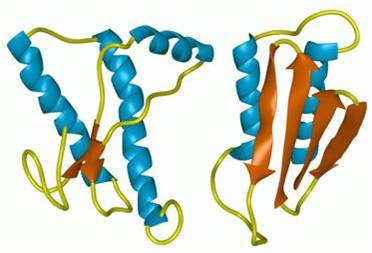
Present day science tells us that prions are amyloid particles that form from PrionReplicationnormal brain proteins and may contribute to such diseases as Alzheimer’s, Parkinson’s and Huntington’s. Scientists describe a prion as the smallest infectious disease-causing agent and also the most indestructible biological entity.

Prions are responsible for bovine spongiform encephalopathy (known as mad cow disease) and its human counterpart, Creutzfeldt-Jacob disease. There are no generally accepted treatments for these infections and they are almost always fatal.

Initially, people with prion body accumulations in the brain experience neurological degenerations that exhibit as behavioral and personality changes, dementia and muscle coordination difficulties. The symptoms progress to convulsions and eventually to death.

Besides consuming contaminated brain matter, these encephalopathy diseases can be transmitted via blood transfusions, intravenous immunoglobulin therapies and human growth hormone treatments that have been contaminated with or contain prion bodies. Contaminated surgical instruments and organs for transplant can also transmit prion bodies.

It should be noted, however, that tests for such abnormalities have become standard practice during blood collection and prior to organ transplantation. So how could you design a murder, or a catastrophic epidemic for that matter, around the transmission of prions?

Articles that discuss the science behind a would-be zombie invasion suggest that attaching138-microscopes-lg a prion to a virus that could spread quickly and carry the prions to the frontal lobe and cerebellum could be effective. It’s been suggested that any virus that causes encephalitis would do—herpes, enteroviruses, mosquito and tick-borne viruses, rabies and even some so-called childhood diseases like mumps and measles.

Dr. Jay Fishman, Director of Transplant Infectious Diseases at Mass General Transplant Center in Boston, however, states that attaching a prion to a common virus is “a fairly unlikely scenario.”

I suspect that some clever genetic alteration of a virus would be in order here to make such an event believable to create a scientifically based zombie plague or a zombie-like murder, but I’ll leave those specific details up to you.

Thoughts? Comments? I’d love to hear them!

Posted in A How To Blog on Murder Plot Ideas, A How To Blog on Murder Weapons, Abnormal Protein Invasion of the Brain, About James J. Murray, About Murder, All About Murder, Blog Writers, Blogging, Bloodless Death Scene Writing, Characteristics of Murder, Chemicals Used For Murder, Deciding How to Kill Off a Character in a Novel, Designer Poisons Used For Murder, Designing Murder Plots, Dramatic Murder Weapons, How to Choose a Murder Weapon for a Plot Idea, Ideas for Murder Scenes, Interesting Murder Weapons, Kuru, Microbes Used To Murder, Murder With Drugs, Neuroscience and Murder, New Methods of Murder, New Methods To Kill Characters in Your Novel, Plotting Interesting Murder Scenes, Plotting Murder Scenes, Prion Linked Diseases, Prions and Murder, Prions and Neurological Degeneration, Prions and The Science of Murder, Prions and the Zombie Disease, Science-Based Zombies, The Science of Murder, The Zombie Disease, Unique Lethal Compounds, Unique Murder Plots, Ways To Kill, Ways to Murder, Writing Death Scenes, Zombie Drugs | Tagged , , , , , , , , , , , , , , , , , , , , , , , , , , , , , , , , , | 7 Comments

An Adrenaline Rush To Death!

Adrenaline is our friend! It’s one of those hormones that flood our bodies when werun severely injure ourselves, feel afraid, or do strenuous exercise. It’s known as “the fight or flight hormone” (along with some help from norepinephrine and dopamine). And it’s interchangeably referred to as adrenaline or epinephrine.

But what happens when too much pours into our bloodstream? We DIE! And that makes for a very interesting method of murder and can become the basis of a dramatic murder scene in writing.

We’ve all experienced an adrenaline rush in some form or another. From whatever cause, when our adrenal glands pump adrenaline (epinephrine) into our bloodstream, we experience: 1) a noticeable increase in strength, 2) no feeling of pain, 3) heightened senses, 4) a sudden burst of energy, and 5) our breathing and heart rate increases.

Such symptoms of extra adrenaline in our bodies may be in response to extreme fear, a life-threatening trauma (either to ourselves or others), or as a result of competitive sports participation. It helps us think clearly, react rapidly and appropriately, and dulls pain when needed. This experience is known as an “adrenergic storm” and is the basis of the fight or flight reaction.

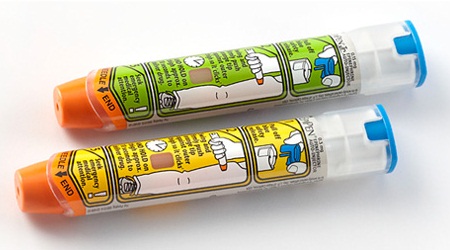
autoinjectorAdrenaline, as an epinephrine drug, also treats severe allergic reactions since the drug narrows blood vessels to raise falling blood pressure. It also opens airway passages that may be constricted with associated wheezing. And there are auto-injectors available for people who may experience such allergic reactions.

The drug is readily available in an intramuscular auto-injector mechanism as an adultepipen dose of 0.3mg (the 1:1000 strength). Since I have asthma, I carry around an injector. I’ve not used it for an asthmatic episode, but I did use it once while experiencing a rather dramatic reaction to an antibiotic.

An overdose of adrenaline (epinephrine) flooding into our bodies can be LETHAL. At times, we’ve seen news reports of medical professionals mistakenly administering a wrong dose of epinephrine and killing the patient.

There are also reports of people using epinephrine as a weapon of murder! And the consequences of an epinephrine overdose can lead to complete cardiac arrest.

Initially, there’s a rapid onset of agitation, blood pressure spikes, the heart beats fast and irregular, slurred speech and confusion ensue, sometimes a severe headache is experienced—and then the person cascades into either a cerebral hemorrhage or cardiac arrhythmias prior to death.

Meds4_Pre-med3Treatments to prevent the fatal outcome include administration of benzodiazepines and beta-blocker drugs, but administration should be timely since epinephrine acts rapidly, especially if it is given intravenously.

So, with a readily available source, rapid onset and a deadly outcome, adrenaline could easily transition from friend to foe and provide an interesting murder weapon. And it should create a rather dramatic murder scene involving either your protagonist or antagonist.

Thoughts? Comments? I’d love to hear them!
Posted in A How To Blog on Murder Plot Ideas, A How To Blog on Murder Weapons, About James J. Murray, About Murder, Adrenaline Overdose, Adrenaline Rush, Adrenaline Used For Murder, Adrenoline and The Fight or Flight Response, All About Murder, Blog Writers, Blogging, Bloodless Death Scene Writing, Bloodless Death Scenes, Chemicals Used For Murder, Dramatic Murder Weapons, Drugs For Murder Plots, Drugs Used to Murder, Epinephrine and The Fight or Flight Response, Epinephrine Overdose, Epinephrine Used for Murder, How To Write A BloodLess Murder Scene, Ideas for Murder Scenes, Interesting Murder Weapons, Killing a Villain in a Novel, Lethal Agents and Murder, Misuse of Drugs, Murder With Drugs, New Methods of Murder, Plotting Murder Scenes, Prescription For Murder Blog, The Science of Murder, Tools of Murder, Using Adrenaline in a Murder Scene, Using Epinephrine in a Murder Scene, Writing Death Scenes | Tagged , , , , , , , , , , , , , , , , , , , , , , , , | 14 Comments

A Psychedelic Silver Lining!

iStock_000006568394Small-646x363Call it a Holiday Hangover, maybe a little too much holiday good cheer, or just plain euphoria that the sun is out after almost two weeks of gloom. But it simply didn’t seem right to blog about the lethal side of ANYTHING this week.

Some time ago I happened upon an interesting article about the benefits of psychedelic drugs—WHAT?? And, being a child of the 60s, it peaked my interest.

Not that I dabbled in recreational drugs back in college when it was all the rage. I really didn’t! I’ve always had an innate fear that a little of a good thing may be fine, but too much could be injurious or even lethal.

That mindset is what interested me about this article. It focused on “a little of a good thing” and suggested that, since the late 1990s, there’s been a resurgence of medical research on the benefits of psychedelic drugs. This viewpoint particularly caught my attention since I’ve written blogs in the past about the detrimental, and even lethal, effects regarding the recreational (and sinister) use of certain chemicals.

More than 50 years ago, the US government funded labs to study psychedelic drugs likehippie-bohemian-clothing2 lysergic acid diethylamide (LSD) and other psychedelics as promising, powerful new drugs. Unfortunately, recreational use of these drugs evolved (think Woodstock, etc) and that caused the US government to ban further testing of many hallucinogenics/psychedelics as dangerous and to classify them as having no accepted medical use.

Officially, these drugs are categorized as Schedule I drugs, meaning they are illegal in the US for any use (medical or otherwise), and the government’s more recent war on drugs has severely limited research opportunities on psychedelics.

However, some research continues—much of it outside of the United States—and the benefits of several psychedelic drugs are beginning to be appreciated once again. One overwhelming truth seems to emerge from these studies. It’s the fact that the recreational-drugs-1fears that psychedelic drugs cause an increased risk of mental illnesses are unfounded. In reality, these studies are taking a fresh, objective new look at the potential use of psychedelics to TREAT mental illnesses.

LSD is one of those drugs being studied with renewed interest. In research that goes back 40 years, LSD was shown to significantly reduce anxiety in patients facing end of life issues. A more recent Swiss controlled study involving terminally ill cancer patients revealed a 20% reduction in associated anxiety and depression regarding their impending demise when using LSD.

Other studies indicate that long-term use of LSD resulted in a considerable reduction in outpatient mental health treatments and lowered the use of powerful psychiatric medications. Like LSD, other psychedelics are being studied and interesting benefits are being revealed.

Psilocybin—more commonly known as the hallucinogenic component of “magic mushrooms”—has been studied for its calming effects on certain brain functions. Psilocybin is said to eliminate confusing/overwhelming thoughts and leads to increased cognition and memory.

Patients treated with psilocybin recall memories more vividly and accurately, and this effect has been confirmed on a neurobiological level with MRI scanning of the brain.

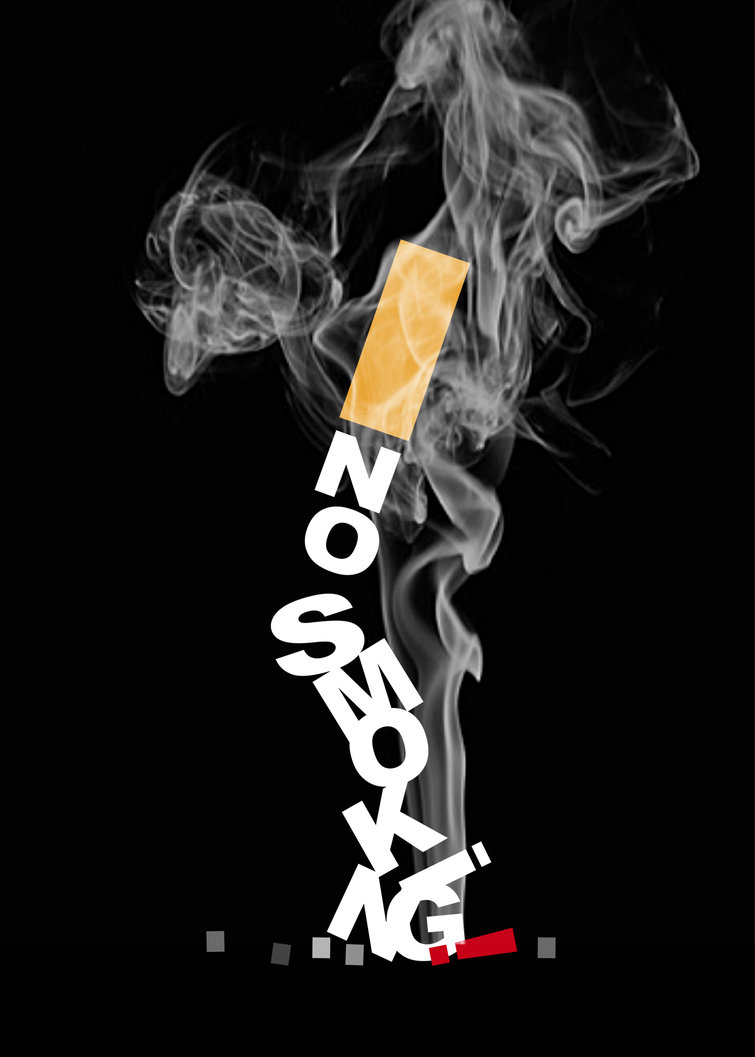
Psilocybin has also been shown to have significant benefits in treatingNo_smoking_Poster_1_by_Sempliok alcoholism and smoking addiction. In fact, one study followed five patients who were given this drug to kick their smoking habit and all five completely quit smoking after one treatment. With follow-up visits of up to one year after treatment, four of the five were biologically confirmed to have continually abstained from cigarettes.

In the past I’ve blogged about a couple of interesting recreational drugs that can be deadly if used indiscriminately: MDMA (commonly called Molly) and DMT (dimethyltryptamine). Both seem to also have beneficial effects when used properly.

MDMA, the psychoactive chemical in the recreational drug ecstasy, has been shown to successfully treat post-traumatic stress disorder (PTSD) in military veterans and to decrease the anxiety associated with cancer treatments.

Interestingly, a slight chemical modification of MDMA has been studied at the University of Birmingham and it’s been shown to have aggressive anti-cancer potential. The study is preliminary and further studies are being conducted regarding this intriguing effect.

Other studies on MDMA support beneficial effects for treating the social anxiety in autistic adults, with a fascinating 77% increase in both ease in social settings and the ability to communicate more effectively with others.

DMT is the psychoactive compound found in a Peruvian Amazon rainforest vine that is used to make a brew called ayahuasca. Ayahuasca is utilized for spiritual and healing purposes in that area of the world, and in recent years DMT is appearing as a recreational street drug for its hallucinogenic effects.

From a medical treatment standpoint, DMT seems to “untangle” complex and unconscious calm-state-of-mindpsychological stresses and is of benefit in treating various depressions, cancer treatment anxiety, and increasing the hopefulness and quality of life for multiple sclerosis patients.

So the silver lining is that these potentially dangerous drugs that are often abused and lead to detrimental, or even lethal outcomes, can have a more benevolent quality to them when channeled properly.

As with most things, both good and bad can result from the decisions we make and the actions we take as humans. What path results from those decisions and actions often make for great story telling.

Thoughts? Comments? I’d love to hear them!
Posted in About James J. Murray, Benefits of Treatments With Magic Mushrooms, Blog Writers, Blogging, Dimethyltryptamine, DMT, DMT Treats Depression and Anxiety and Helps MS Patients, LSD and Anxiety Reduction, LSD and Depression Reduction, Magic Mushroom Treatments, MDMA Treats PTSD and Cancer-Associated Stress, MDMA Use, Medical Benefits of Psychedelic Drugs, Medical Research on Psychedelic Drugs, Medical Treatments Using DMT, Medical Treatments Using LSD, Medical Treatments Using MDMA, Molly Drug Benefits, Molly Drug Use, New Drug Research, Party Drugs, Plot Ideas and Where They Come From, Psilocybin Treats Alcohol and Smoking Addiction, Psychedelic Drugs Used Successfully to Treat Mental Illnesses, Treatments Using Psilocybin | Tagged , , , , , , , , , , , , , , , , , , , , , , , , , , , , , , | 3 Comments

Create An Action-Packed New Year!

Before you roll your eyes at yet another lesson about New Year’s Resolutions, here are some practical suggestions to help you 1) make realistic goals, 2) plan them logically, and 3) keep yourself on track to meet those goals.

First and foremost, take a deep breath and smile! It’s about to be (or already is) 2015 andMH900438811 it’s all fresh and new, and filled with potential. Whatever unfulfilled dreams you had last year is history. Leave them behind and don’t look back.

It’s time to focus on what you want and need to do going forward. And forget about calling them New Year’s Resolutions. It’s a worn out phrase that’s often linked to failure.

Instead, whatever changes you want to achieve should be called New Life Goals. Each New Year is a golden opportunity to make meaningful changes to create a better life. If you’ve read the bio on my website, you’ll know that I’ve had several opportunities to recreate myself. With each one, I’ve had to achieve specific life-changing goals.

MH900430599From those experiences, I’ve learned that deciding on the right New Life Goals can be a daunting experience. You may have one BIG change you wish to make or you may have many small adjustments you’d like to incorporate into your life. The principles of change are the same for both: Plan, Execute, Evaluate, Adjust and Repeat.

*The key word here is REPEAT!*

In order for meaningful change to happen, you must make that change a habit. If it’s a physical change you wish to make, you must get your body used to whatever you want it to do. I’ll use myself as an example. When I’m not writing, I’m passionate about long distance running. I love the sport so much that I became a certified running coach in mid-2013 and now volunteer my time training others to become better runners.

In training runners, we use training cycles to achieve specific goals, such as running faster or longer distances. We achieve those goals in progressive cycles—called the Microcycle, the Mesocycle and the Macrocycle. But these same principles can apply to other endeavors in your life as well.

The Microcycle is that initial 5-7 day period when you push yourself to begin that one thing you want to make a part of your life. This is the Planning and Executing part of change.

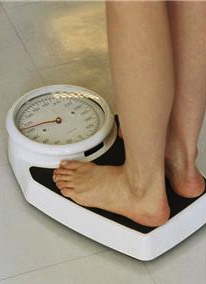
In running, this is when you actually start training regularly on a track or trail. If you want42-15622535 to lose weight, this is when you start passing up dessert and/or join a health club. If you want to improve your outlook on life, this is when you begin to smile more and attempt to interact better with others. In short, you plan what you want to do and then do it.

The next cycle, the Mesocycle, is a longer period, usually a minimum of three weeks and up to ten weeks. This is the cycle where you attempt to make the change a HABIT. In order for something to become a permanent part of our lives, we must make that thing a routine. We have to make it become so much a part of us that we would miss it if it no longer existed in our lives.

MH900400498This is where you evaluate how the change fits into your life and where you make small adjustments to continue the momentum to achieve that goal. If you want to eat less, stop going out to restaurants and control portions. If you have trouble finding time to go to a health club or scheduling a run, get up earlier or give up evening television.

Adjust your life to achieve your goal rather than adjusting your goal. Create a new habit and repeat that as often as possible to make it a part of your life.

The Mesocycle is where you begin to embrace the change to achieve your goal. This is where the runner begins to enjoy the run and the dieter begins to dislike unhealthy foods. The longer you consciously think about what you are changing, the more successful you’ll be.

The last cycle is the Macrocycle and it’s the finishing touch that allows you to own your goals permanently. It can extend for months, years or for life. If you’re trying to lose weight and you achieve that goal, this is where you keep the momentum going to maintain that new weight. If you’re trying to improve a relationship with someone, you don’t stop the process when you feel good about each other. You continue to work at the relationship. You continue to repeat whatever you did to achieve a better relationship, or to maintain whatever specific goal you’ve identified.

Meaningful changes in your life happen by identifying goals, incorporatingMH900423646 them into your life and making that specific change a habit—and it’s a continual process. And keeping the momentum going in the Macrocycle is as important as that initial Microcycle step to identify the new goal.

If you’ve identified multiple goals for 2015, you’ve created an extra challenge for yourself. You can achieve all of your goals, but you simply have to work on one before starting another. Prioritize each goal and tackle them one at a time.

Attempting to achieve multiple goals at once can be overwhelming and it sets you up for failure. Achieving meaningful change takes focus. Don’t dilute your effectiveness by focusing on several changes at once.

The important thing to remember is that this is a New Year. The slate is totally clean and you have all year to achieve the goals you’ve identified.

Tackle the one goal that’s most important to you first. Attack it with gusto! Achieve it! Own it! Then move on to the next most important goal. Make them part of your bucket list for 2015!

Thoughts? Comments? I’d love to hear them!MH900409425

HAPPY NEW YEAR!

MAY ALL YOUR DREAMS

AND HOPES BE REALIZED!

Posted in A Holiday Wish, A New Year's Greeting, A New Year's Wish, About James J. Murray, About Running, About Writing, Achieving Perfection, Blog Writers, Blogging, Changing Your Life in The New Year, Creating Change in the New Year, Developing Better Life Skills, Happy Holidays, Happy New Year, Holiday Cheer, How to Create a Better Life, How to Create a More Enjoyable Life, How to Create a More Productive Life, How to Create a More Satisfying Life, How to Implement New Year's Resolutions, How to Make New Year's Resolutions, Life-Altering Goals, Modern Approach to New Year's Resolutions, New Life Goals, New Year's Resolutions, NEW YEAR'S WISH | Tagged , , , , , , , , , , , , , , , , , , , , , , , , , , , , , , , , , , | 4 Comments