DRUGS and BIOTERRORISM

Terrorism is defined as the use of force or violence against people and property.

MH900407492That action is labeled BIOTERRORISM when the violence involves the intentional release of a biological agent (such as bacteria, viruses or toxins).

Bacteria and viruses are microorganisms that live among us both in harmony and with malice. When these microorganisms cause severe illness or death, they make excellent terrorists tools; and they’re classified as “biological” whether they occur naturally or are modified by humans in a lab.

A toxin is a poisonous byproduct produced by such microorganisms and is as deadly as the organisms themselves. That means the “bug” can be killed but the toxin can linger behind and create substantial havoc on its own, such as contaminated food harboring the botulism toxin.

So we have biological agents (bacteria, viruses or toxins) that can be used asMH900443507 weapons of mass destruction by simply spreading them in the air, our water supply or along the food chain. They can kill instantly upon contact or cause death slowly over several hours or days, making it difficult to detect the origin. And identification of the source can be even more complicated when agents are spread from person to person (a contagious biological agent).
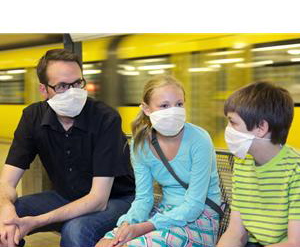
Further hurdles to effective protection occur when we realize how easy it is to use these agents. They’re relatively inexpensive to obtain (as opposed to something like a nuclear weapon), are highly portable and can be disseminated easily among the population.

MH900233116With all the possible types of biologicals and the ways in which they can be spread, it would seem to be a monumental task to plan anything of appreciable value to prevent such an attack. And that’s the central focus of bio-defense, the medical measures in place to protect people against biological agents.

In blockbuster films that have concentrated on bioterrorism, vaccines against the deadly contagion are developed within a few weeks or months, but that’s not reality.

The Transformational Medical Technologies initiative started by the Department of Defense in 2006 set out to identify and develop broad-spectrum therapies that could be effective against multiple bacterial and viral pathogens, specifically to protect soldiers against biological attacks. In reality, the program produced no new specific treatments or antidotes and the program has ceased to exist as envisioned.

Now the U.S. government is focusing its attention on what’s called “The Big Six Biological Threats”. These are identified as anthrax, the plague, tularemia, the botulism toxin, smallpox and viral hemorrhagic fevers (like the Ebola virus). And these threats can be grouped so that a common treatment can be identified for categories of biological threats.MH900321056
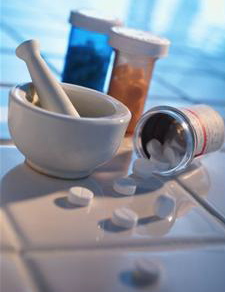
Anthrax, plague and tularemia are all bacterial agents and the fluoroquinolone (like ciprofloxacin and levofloxacin) antibiotic drugs that are already in existence are effective treatments.

Toxins, including botulism, often present as neurotoxins (causing nerve paralysis and respiratory failure) and the lack of any approved drug treatment other than supportive measures leaves a major gap in bio-defense. That’s a considerable area of exposure since the botulism neurotoxin is said to be the most poisonous substance known to man and is 10,000 times more deadly than cyanide poisoning.

MH900422201Effective treatments for viral biological agents also remain elusive. We have a smallpox vaccine for prevention and scientists are working on an Ebola vaccine, but there’s no specific treatment once these viruses cause sickness in those not already vaccinated. Recommended treatments are only supportive, like fluids, antibiotics for secondary infections, etc. – the same as for the common cold.

Presently, our government has been adjusting its approach to bio-defense and focusing on stockpiling currently available antibiotics and antiviral agents without creating shortages for the rest of the population. In essence, we are back to square one regarding treatment protection against biologicals.

Fortunately, increased and more effective intelligence of potential terrorist plots have been successful in keeping us safe to this point. But that safety net is a fragile element in our protection system and provides fertile opportunity to create interesting terror plots in our writing to launch our protagonists into superhero action.

Thoughts? Comments? I’d love to hear them!

Posted in About James J. Murray, Attack of Bacteria, Bio-Defense, Biological Warfare, Biological Warfare Treatments, Bioterrorism, Blogging, Drugs and Bioterrorism, Drugs and Terrorism, Drugs For Murder Plots, Drugs Used For Murder, Drugs Used to Murder, Ideas for Murder Scenes, Murder Weapons, Murdering with Tetrahydralazine, Neurological Poisons, Story Development, Terrorism | Tagged , , , , , , , , , , , , , , , , , , , , , , , , , , , , , , , , , | Leave a comment

Flesh-Eating Horror

Since tomorrow is All Hallows’ Eve, commonly called Halloween, I thought someMH900309567 extra horror was in order.  I won’t bore you with what you already know about Halloween: that it’s the eve of All Saints’ Day in many Christian religions and historically is the Festival of the Dead with deep pagan roots.

In modern times, however, Halloween has evolved into MH900078788a day and night of fun and festivities in which the more outrageous and ridiculous wins over anything normal and real.  Most popular in recent years are zombie festivals to celebrate Halloween with a healthy dose of flesh-eating creatures, and the costumes are enough to scare the most jaded.

But with a clinical pharmacy background and having dealt with many unusual bacterial infections in my career, I know that there are real flesh-eatingMH900442485 creatures out there that can put a zombie wannabe to shame.

The real horror story is that flesh-eating bacteria exist and cases are definitely on the rise.  Medical professionals attribute the increase to two important issues: better diagnostic tools that more accurately identify the culprits and the failure of standard antibiotic therapies due to resistant strains.

About 750 people each year suffer from such infectious attacks and one in five die as a result.  That’s a 20% death rate!  The odds that you could outrun a zombie would be better than escaping these deadly bacteria once they get under your skin.

So what are flesh-eating bacteria and how do they attack us?  Medically, the disease is known as necrotizing fasciitis, a relatively rare infection of the deeper layers of skin and the tissue that lies underneath (the subcutaneous tissue).

Once the offending bacteria invade subcutaneous tissue, they spread easily throughout the layers and cause irreversible tissue damage.

But the term “flesh-eating” is a misnomer because bacteria don’t actually eat flesh.  Instead, they cause destruction by releasing toxins that destroy skin and muscle tissue.  The bacteria attack by entering through a scratch or cut.  Without that entry spot, these bacteria usually remain harmless. But give them an opening to underlying tissue and they can be deadly.

Patients often experience flu-like symptoms initially, and this can delay proper diagnosis.  Progression to localized pain, swelling, a purplish discoloration, scaling and peeling of skin usually signal the patient and caregiver that something more serious is going on—and that’s when it’s almost too late.

MH900403705Early initiation of potent antibiotic therapy is crucial to prevent the spread of the infection to surrounding tissue, but it can take less than 24 hours for these bacteria to invade and produce deadly toxins.  So vital muscle tissue is often destroyed well before the disease is even identified.

When the infectious process gets to that point, the only sure treatment is removal of the infected area to prevent toxin migration into surrounding skin and muscle. When the infection spreads to large muscle areas, amputation is sometimes the only option remaining to prevent further spreading into healthy tissue.

Several types of bacteria are considered flesh-eating entities.  Surprisingly, the most common are those that ARE the most common, and that’s where the real horror lies.

Staphylococcus aureus—the simple bacterium that causes pimples, boils and abscesses—can be quite aggressive and deadly. The medical community is becoming more and more concerned about these bacteria because a certain type, the Methicillin-resistant Staph A (MRSA), is resistant to most antibiotics and few new antibiotics are effective against this strain.

Group A Streptococcus, the bacteria that cause strep throat are the next most common flesh-eating bacteria and they can be as deadly as Staph aureus.MH900444666

So when we’re thinking of all the ghouls and goblins that show up on Halloween, you might think about taking a closer look at your skin to see the real ghouls of nature and, like a vampire, don’t invite them in.

Thoughts? Comments? I’d love to hear them!

Posted in About James J. Murray, About Medications/Pharmacy, CRE, Drug Resistant Bacteria, Flesh Eating Bacteria, Halloween Blog, MRSA, Necrotizing Fasciitis, Pharmacy/Pharmaceuticals, Zombie Wannabe | Tagged , , , , , , , , , , , , , , , , , , , , , , , | 4 Comments

THOMAS RYDDER & HIS NEW BOOK

Thomas Rydder, a good friend and a talented author, announces the release of his new URBAN FANTASY ANTHOLOGY:

RESTLESS SOULSThomas - Restless Souls

3 dark fables

1. “Do Unto Others” (short story) – Jeremy is a street hood, lawless and unchained. When he is wronged by a local businessman, it becomes his mission to seek revenge. But his new enemy has friends – ones that don’t take kindly to intruders.

2. “Colors” (short story) – Harrison Street. attorney, biker wannabe, coward. When he finds the bike of his dreams, it seems too good to be true. It is.

3. “Simona Says” (novella) – Simona has had it rough. Death, disenchantment, and disappointment are all part of her life. She wants to be happy for a change, and she’s willing to do just about anything to find some. Anything.

ABOUT THOMAS:

Thomas has gone “the second mile” to promote me as a writer when my blog was in its infancy and he continually supports other writers every chance he gets. I’m honored to promote his new work.

I knew Thomas was a good writer after reading his first novel The Clearing and I expected this anthology to be equally good. Well the stories are not only good, they’re GREAT and I HIGHLY RECOMMEND the book.

These paranormal fables are perfect reads during the Halloween season. Oh, and in true Thomas fashion, he’s pledging 25% of the book sale royalties to St. Jude Children’s Research Hospital.

So don’t delay, purchase your copy today by clicking on any of the following sites:

AMAZON US

AMAZON UK

SMASHWORDS

Thomas Rydder (the Bio):0-1

I was born in 1957 in a small town in Western Pennsylvania that had – and still has – one traffic light. There wasn’t a whole lot to do there, and we had few neighbors, so I learned to play quite a bit of make-believe – soldiers, cowboys and Indians, that kind of thing. At the same time, I loved to read and watch old movies. On Saturdays, my dad played in a country western band, and I stayed up to wait for him. It was during that stretch that I discovered the horror movie. You know the ones I mean. Karloff, Chaney, Lee. The masters, right?

Fast forward 40 years. I’m now the project manager for a small civil engineering firm in picturesque Charleston, South Carolina with my lovely wife and four rescue pets, two dogs, two cats. Oh – and eight feral cats outside that put up with us because we give them two squares a day.

Anyway, since childhood, I’ve loved to create. I played trumpet, sang, even dabbled in genealogy. Nothing quite did it for me. Over the years, I’d composed quite a few term papers and theses (there are a few ex-teenagers in this world who owe their English grades to yours truly), and unfailingly earned an “A”. My wife knew this, and one day just suggested that I try writing.

What the hey, I thought. So I sat down and found a writing site called Hubpages. Nice little site, and I started getting the basics of writing a little from some of the inhabitants. I wrote a short story, and everyone liked it. So, I wrote another one. Except it kept growing, and I kept getting more ideas, and it lengthened to 20 thousand words, then 30, then 40. By the time I sat back, I had the rough draft of my first novel, except back then it was called “Werewolves and Flapjacks”. Somewhere along the way I decided to submit my work (now called “The Clearing) to three publishers. I was turned down twice, and miraculously was accepted by the gentleman who gently rules this site, Mr. Tim Taylor. And the rest, as they say, is history. By the way, you need to like Tim…he’s a great guy, and I owe him much, which can never be repaid.

I now have a second book availabe – “Restless Souls: 3 dark fables” – an anthology (novella and two short stories) of ghost stories, and life is grand.

Even though I make wise cracks about all of it, this is all like living a dream – and I don’t plan on waking up for a very long time.

Thomas Rydder – writer

For industry news and new author information, follow Thomas at his media sites:

FACEBOOK: https://www.facebook.com/thomas.rydder

BLOG: http://thomasrydder.wordpress.com

GOODREADS: http://www.goodreads.com/author/show/6644323.Thomas_Rydder

‎PINTEREST: http://www.pinterest.com/thomasrydder/

TUMBLR: http://thomasrydder.tumblr.com/

TWITTER: https://twitter.com/ThomasRydder

And don’t forget to read his first novel: The Clearing

0-2After twenty years in the Marine Corps, Major Frank Cutlip comes home to the quiet hills of his beloved Pennsylvania to take up a new life as the sheriff of Allegheny County.

Professor Beth Lowe took up a post at Paxton University because she became enamored with western Pennsylvania’s charms, a more enduring love than she thought she would ever feel for a man.

When Beth’s dog is savaged by wolves, their peaceful lives are shattered, and their fates entwined. On the brink of death, the dog not only survives but grows larger… and more vicious. A thousand-year cycle of carnage is reaching its climax once more, and the peaceful wooded hills will soon be smeared with blood.

Sheriff Cutlip leads his community in a hunt for the hidden terror, but then his own brother is bitten, his blood corrupted by the ancient evil. The sheriff must confront terrible choices, and he can’t do so alone.

‘The Clearing” — a novel of ordinary people thrown together in extraordinary circumstances.

Order it today by clicking on any of the following sites:

AMAZON US

AMAZON UK

SMASHWORDS

thomas blog blits

Posted in About Author Thomas Rydder, About Writing, All About Writing, Colors by Thomas Rydder, Do Unto Others by Thomas Rydder, Paranormal Thrillers, Restless Souls by Thomas Rydder, Simona Says by Thomas Rydder, The Clearing by Thomas Rydder, Urban Fantasy Anthologies, Urban Fantasy Paranormal Thrillers | Tagged , , , , , , , , , , | 4 Comments

Powdered Glass – An Instrument of Death?

Let’s say that you have this particularly nasty villain in your novel and you want to kill him off in some unique way. You have a brilliant idea—crush some glass into fineMH900150563 shards and mix them in food. Your villain will certainly die an agonizingly painful and slow death. I’ve seen it written that a teaspoonful of crushed glass will puree anyone’s intestines.

Well, maybe that could be true. But the science really doesn’t back up that statement, even though the use of finely ground glass covertly mixed in food has been used in murder mystery plots in the past to eliminate a foe.

Simply crush some glass into a fine powder and add the pulverized fragments to whatever your victim is about to ingest. Then you sit back and wait until your victim falls to the floor, writhing in agony and eventually dying a painful death. Supposedly, the victim’s gastrointestinal (GI) tract would shred and he would bleed out internally, eluding all but the most experienced medical examiners.

Unfortunately, the science behind this intriguing method of murder simply doesn’t pan out for the following reasons. In order for the glass not to be detected in food, it would MH900112970have to be ground “powder fine”, so fine that when mixed in food it couldn’t be detected. The problem is that glass ground so fine would not pose much of a threat to the GI tract. There simply would not be enough rough edges left to “chew up” GI tissue.

On the other hand, if the glass particles were crushed into fine pebbles, then the resulting shards would have enough spikes and splintery angles to cause micro-tears to the GI tract and possibly cause enough internal bleeding that the victim would die. However, such gritty nuggets would not be palatable and would be detected when the victim chewed the food.

Hmm! Too finely ground and the glass doesn’t damage enough to kill, and crushing the glass into larger nuggets would kill but could be detected and likely be spit out by the victim before the glass had a chance to do irrevocable damage.

Now that’s a dilemma! This is beginning to seem like a Goldilocks Problem: this one’s MH900116044too finely ground, and this one’s too course and would be detected. So could there be a situation where the glass is ground just right to cause lethal damage but yet not be detected? Probably not, but glass splinters would be a good alternative if used in the proper setting.

Fine glass splinters in food or drink that’s quickly ingested could prove to be lethal and yet not be detected, at least until it’s too MB900241301late to spit out. Think about dropping glass splinters into a shot glass, for instance. A shot of tequila, with some glass splinters discreetly dropped in, would go down in one big gulp—down the gullet and on their way to chewing up GI tissue along the way. How about a second shot? Add more splinters and down the gullet again—lethal glass splinters chasing more lethal glass.

I remember that my father loved to eat raw oysters in hot sauce. He’d open the shell, add some hot sauce, open his mouth wide and let that oyster slide down his throat. Sprinkle glass splinters into that hot sauce or over the top of those oysters and you’d have a lethal dose of glass sliding down the throat along with that oyster.

So powdered glass as a lethal weapon might not work so well, but break the glass into slivers and fine splinters and that might prove to be lethal and as painful a death as expected—a perfect combination for writing an exciting murder scene.

Thoughts? Comments? I’d love to hear them!

Posted in About James J. Murray, All About Murder, All About Writing, Broken Glass and Murder, Crushed Glass and Murder, Glass Shards and Murder, Ideas for Murder Scenes, Instruments of Death, Killing a Villain in a Novel, Murder Weapons, Powdered Glass and Murder, Tools for Murder | Tagged , , , , , , , , , , , , , , , , , , , , , , , , , | 8 Comments

Brain-Eating Amoeba

Of all the infections that one can get from living a so-called ordinary life, this one is about as lethal as any I’ve come across in the past. The disease is called primary amoebicMH900448580 meningoencephalitis, or PAM for short. Fortunately, it’s rare and only 128 cases have been reported in the United States between 1962 and 2012.

The bad news is that of those 128 cases, there was only one survivor. PAM is a devastating infection of the brain caused by the free-living Naegleria fowleri organism. It’s been called the “brain-eating amoeba” in the media because the organism enters the body through the nose and travels up the olfactory nerve to the brain. It then causes the usually fatal PAM.

Before proceeding, however, let me clarify that although the spelling of “amoeba” is used almost exclusively around the world, it’s sometimes spelled as “ameba” in North America. Therefore, in some references you may see this spelling alternative.

The Naegleria fowleri amoeba is commonly found in warm freshwater (such as lakes, MH900430603streams and hot springs) and the infection occurs when people go swimming or diving in these waters. In rare instances, PAM can occur from inadequately chlorinated swimming pools. Infections can even result from contaminated tap water if an individual uses the water to flush out the nose, as in using a neti pot for sinus irrigation.

Most infections occur in southern-tier states, with more than half of the occurrences in Texas and Florida. And cases have been identified in Louisiana after the hurricane Katrina hit the area. Aside from such a natural disaster, the PAM infection disproportionately affects males and children, probably as a result of their more aggressive water sports activities.

The infection presents much like bacterial meningitis. Symptoms include severe headache, fever, vomiting, neck stiffness and seizures. The most important medical clue leading to a proper diagnosis of PAM is if the patient presents with the above-mentioned symptoms and, in the two weeks prior to symptom onset, the patient swam in a freshwater lake, river or stream.

The only certain way to prevent this amoebic infection is to refrain fromMH900442342 swimming in warm freshwater. Barring that, there are several preventive measures one can take to reduce the risk of contracting this disease. Hold your nose shut or use nose clips when swimming or diving into freshwater, or keep your head above water at all times when enjoying outdoor water sports. And never put your head under water when soaking in natural hot spring pools.

Additional advice is to not dig in or stir up the sediment in shallow freshwater. The sediment is a perfect breeding ground for such amoeba. And when irrigating the sinuses with tap water, be sure to first boil the water for at least one minute—or for three minutes at elevations higher than 6,500 feet. And always allow the water to cool before use.

These measures may seem drastic but a PAM infection is nearly ALWAYS FATAL, so act cautiously to ensure your safety against this lethal organism.

Thoughts? Comments? I’d love to hear them!
Posted in About James J. Murray, Attack of Bacteria, Blogging, Brain Eating Ameba, Brain Eating Amoeba, Contaminated Fresh Water, Differences in Generic Drugs, Fatal Amoebic Infections, Fatal Brain Infections, Freshwater Sports Dangers, Infections From Fresh Water, Infections From Katrina, Internet Drugs, Naegleria fowleri, PAM, Primary Amoebic Meningoencephalitis | Tagged , , , , , , , , , , , , , , , , , , , , , , , , | 3 Comments

SARIN GAS – A Deadly Agent!

With the Syrian Civil War prominently in the news recently, we’re reminded of the MH900432133deadly effects of sarin gas. The loss of over 1400 lives in August 2013 is both tragic and horrific, and it calls to mind that sarin has been used as an agent of terror in the past.

Although the chemical is highly controlled by governments, nothing is absolute and some even speculate that the sarin gas used in Syria was homemade and produced by the opposition. Without getting into the politics of the event, it’s safe to say that sarin is an interesting weapon and continues to have the potential to be center stage in thriller and international conspiracy plots.

Sarin was first developed by Germany in 1938 as a pesticide before its full lethal capabilities were understood. From that point, its use as a chemical weapon began to develop.

42-15570013In its purest form, sarin is a clear, colorless, tasteless liquid. Exposure to as little as one to 10 mls of liquid sarin on the skin can be fatal—that’s the equivalent of several drops up to less than a teaspoonful. The liquid form, however, is highly volatile and easily turns into a gas at room temperature. Concentrated vapors readily penetrate skin.

Sarin, like other chemical agents of war, attacks the nervous system and prevents the peripheral nerve endings from switching off. The agent causes overstimulation of the nerves that control muscle and glandular functions and inhibits key neurotransmitters. It’s 26 times more deadly than cyanide. Although sarin has a shelf life of only weeks to months, its storage time can be extended with chemical stabilizers.

This lethal agent can be absorbed into the body by inhalation, ingestion, skin contact or eye contact. Interestingly, clothing exposed to concentrated sarin vapors can absorb the gas and then release it for up to 30 minutes following contact. This exposes not only the person wearing the clothing but also those in the immediate vicinity of the victim.

The initial symptoms of sarin exposure are a runny nose, tightness in the chest andCB011723 constriction of the pupils of the eye. These early symptoms progress to nausea and some drooling as muscle control in the oral and throat area is lost. Without treatment, the symptoms progress to vomiting and loss of bodily functions, twitching and jerking.

Eventually, the person chokes and goes into convulsive spasms. Death usually results from asphyxia (an inability to breath properly) due to loss of control over the muscles involved in breathing.

It has been documented that death from sarin exposure is due to the “Killer B’s” bronchorrhea (excessive watery sputum) and bronchospasm (a sudden constriction of the airways, making breathing impossible).

The lethal effects exhibit within seconds to minutes of exposure and death can occur within one to 10 minutes. Even at low concentrations, death occurs within one minute after direct ingestion and within a few hours after an indirect exposure. Medical literature on sarin states that diagnosis of exposure to the poison is best detected by looking for the symptoms acronym “SLUDGE”: salivation, lacrimation (excessive tear production), urination, defecation, GI distress and emesis.

People can also absorb a non-lethal dose of sarin. But without immediate medical treatment with antidotes (pralidoxime, biperiden or atropine), permanent neurological damage may result.

The proper treatment for sarin exposure includes immediately removing the source of exposure, flushing the eyes with water for five to 10 minutes, quickly isolating any vomited fluids as contaminants, administering one of the antidotes, removing and isolating exposed clothing, and washing the skin with generous amounts of soap and water.

MH900442496In the proper genre, a writer could develop an exiting scene in which a victim is exposed to, and painfully dies from, sarin gas. The quick actions of either the protagonist or the antagonist would determine if the victim lived or died and establish the path in which the story unfolds.

Thoughts? Comments? I’d love to hear them!

Posted in About James J. Murray, Biological Warfare, Bioterrorism, Blogging, Bloodless Death Scene Writing, Bloodless Death Scenes, Drugs and Bioterrorism, Drugs Used to Murder, Sarin and Murder, Sarin as a Weapon, Sarin Exposure Symptoms, Sarin Gas, Sarin Gas and Syria, Ways to Murder, Writing Murder Scenes Using Sarin | Tagged , , , , , , , , , , , , , , , , , , , , , , , | 4 Comments

PROLOGUES – To Use or Not To Use!

Often I blog about using interesting methods to develop murder plots, and sometimes MH900446454murder mystery writers use a prologue to set up their story – possibly with an actual murder scene or with a scene that gives valuable information to help the reader understand the victim or villain.  But are these preambles to the real story necessary?

Some literary experts even question whether the prologue is actually part of the novel. And, if it’s not, then why use it? Does a prologue even begin the novel or is it simply background to be read as a separate piece – or even ignored?

It’s generally said that many readers actually skip a prologue because so many writersMH900411777 misuse prologues. Hints that a writer may be misusing a prologue as a true literary device include the following:

If the only purpose of your prologue is to excite and “hook” the reader, then it’s a misuse of this tool. There must be a proper “hook” at the beginning of your first chapter (where many readers actually start reading your book) in order to interest the reader.

If your prologue has nothing to do with the main story plot, then your prologue is a waste of words. If you can cut the prologue from your story and that action does not affect the story arc or its outcome, then it’s not necessary and should be deleted during your edits.

If your prologue is long, then maybe the prologue is simply masquerading as your first chapter. Prologues, when they’re considered necessary, should be short and to the point.

If your prologue becomes an “info dump”, then I suggest taking a course in plot development. Before beginning the story, the writer must first envision the beginning, the MH900448290middle and the ending of the story in broad strokes to understand the overall plot development. A writer must keep track of key details in the plot and slowly let them unfold. Dumping massive amounts of background at once is never a good idea. When it’s disguised as a prologue, it confuses, disorients and frustrates readers before they have a chance to become invested in your story.

If your prologue is there to set the mood or give reference to the story setting, then it’s unnecessary. Why is that? Because you’ll have to set the mood of the story in your first chapter anyway, and then have to continually build the characters’ worlds as the characters are introduced. Therefore, such a prologue is redundant and a waste of words. The information that sets the mood and introduces your characters should be unfolded only as needed to anchor the reader with the information required to move your story forward.

So now you may question if there is ever a need for a prologue or if it’s a thing of the past to be avoided like a literary plague.

Genre has a lot to do with whether you use a prologue in your writing. Thrillers and mysteries are specific genres where a prologue might work well. If your protagonist is to do battle with an old enemy, a prologue might set the stage for the thrilling chase about to evolve. Or if your protagonist is to solve a crime that’s linked to some past action, a prologue might be necessary to provide valuable information regarding that past event.

The key in either of these situations is to keep the prologue brief and to the point. Reveal too much too soon or go into too much detail and your reader won’t be intrigued enough to continue reading.

Thoughts? Comments? I’d love to hear them!

Posted in About James J. Murray, About Writing, All About Writing, Blog Writers, Blogging, How to Use Prologues, Misuse of Prologues, Plot Development, Prologues, Proper Use of Prologues, Purpose of Prologues, Story Development, When Not to Use Prologues, Why Use Prologues | Tagged , , , , , , , , , , , , , , , , , , , , , , , , , , , , , , | 7 Comments

Synthetic Marijuana – Fact or Fiction?

In last week’s blog, I wrote about an interesting designer drug that could be used as a tool for murder. Today, I’d like to discuss another popular designer drug that’s been in the news recently.

Synthetic marijuana has been reported to be involved in 3 deaths in MH900386083Colorado and a rash of hospitalizations (58 cases at last count) directly related to its use. The symptoms reported include severe agitation and delirium, confusion and extreme sleepiness, kidney damage and seizures.

Having first appeared in the United States around 2009, synthetic marijuana is a psychoactive designer drug created by spraying natural herbs with legal chemicals that imitate the effects of cannabis. The chemicals used in the spray are called cannabinoids because they mimic real cannabis. They’re used to avoid the laws that make cannabis illegal and, although these chemicals do create a psychoactive effect, they don’t produce positive drug test results.

The increased use of synthetic marijuana in Colorado initially puzzled me since the use of real marijuana is legal in that state. But the drug is becomingMH900442261 increasingly popular among the teen crowd, with the biggest users in the 12-17 year-old age category, and that might explain its preference over legal marijuana since the product often is sold in stores as a household item and is sometimes labeled as herbal incense. In other retail establishments, like head shops and convenience stores, the product is marketed as “K2” or “Spice”.

The dangers of synthetic psychoactive drugs, like synthetic cannabis, are that the legal chemicals used to mimic the psychotropic effects of the real drug often create a psychosis; that is, they facilitate the onset or worsening of an MH900427604existing psychiatric disorder and therefore can produce enhanced hallucinations, delusions, violence and impaired insight. So anyone with a predisposition to a psychotic episode could be pushed over the edge by using these legal alternatives.

When a product is designed to mimic the effects of an illegal drug but is made with legal ingredients, the DEA must create a specific law to make that product illegal. Until that happens, the drug is considered “unofficial but legal” in many jurisdictions. And as soon as the DEA outlaws a specific drug, a new variation is often designed and marketed as the next big thrill.

Statistics show that there’s a growing parallel market, called the grey market, for these alternatives to illegal drugs, and as soon as their use is made illegal new ones become available. The DEA has identified over 200 such new substances in the last four years alone.

It would seem possible to stem their growth by heightened laws andMH900439326 enforcement, but I continue to wonder if a more prudent approach would be public education starting at an early age regarding the dangers of using these “pop up drugs”.

Thoughts? Comments? I’d love to hear them!

Posted in About James J. Murray, Deadly Drugs in America, Designer Drug Deaths, Drug Abuse, Drug Misadventures, Drugs For Murder Plots, Drugs Used For Murder, Euphoric Party Drugs, K2 Use, Marijuana and Colorado, Marijuana Deaths, Psychoactive Designer Drugs, Spice and Recreational Drugs, Synthetic Cannabis, Synthetic Marijuana, Synthetic Marijuana and Colorado, Synthetic Marijuana and Teenagers, Synthetic Marijuana and Teens | Tagged , , , , , , , , , , , , , , , , , , , , , , , , , , , , , , | 1 Comment

MOLLY – It’s Not Just a Girl You Used to Know!

The experience starts with a slightly bitter taste as it passes over the tongue. In a matterMH900431163 of minutes, a feeling of euphoria washes over you like waves. Soon a prolonged high kicks in (said to be like a long-term adrenaline rush) and you begin to feel loose and comfortable with those around you and feel like you belong wherever you are. In a few hours, that good feeling gradually diminishes and you return to normal with no withdrawal or depressed feeling. This is what a “MOLLY TRIP” feels like.

Sounds pretty great really, but that experience of ultimate belonging comes with a price. Molly” is the term used currently for the pure chemical in Ecstasy that’s responsible for Ecstasy’s euphoric high.

As we’ve seen in the news recently, it’s become a popular party drug alternative because Ecstasy pills are now being laced with everything from caffeine to pure methamphetamine, and these (and other more dangerous) contaminants are giving Ecstasy a bad reputation and causing thrill-seekers to look elsewhere.

MH900422879That’s where MOLLY comes in as a safer replacement. “Molly” (a name shortened from “molecule) is actually 3, 4-methylenedioxy-N-methylamphetamine (commonly known as MDMA) and it’s the colloquial name for the psychoactive chemical in Ecstasy that produces those distinctive emotional and social effects without the addictive properties that come from the additives usually now laced into Ecstasy pills.

According to statistics published by the United Nations, an estimated 10-25 million people globally used MDMA at least once in the previous year (2008 data). And its use is about the same as that of cocaine and methamphetamine compounds, but far less than cannabis use.

Although MDMA is considered a safer alternative than other psychoactive drugs, it does have its drawbacks and lethal potential. As the drug produces its signature euphoria, diminished anxiety and its unique feeling of mental and psychological intimacy with others, the drug also produces a distorted view of reality. This distortion is central to creating a strong potential for overuse (and lethal overdosing).MH900431161

With an overdose of MDMA, or Molly as it’s called on the dance floor, the user experiences a lethal increase in body temperature (partially from hyperactivity) and the hyperthermia could result in seizures, brain damage, cardiac arrest, or at the very least a temporary coma as the brain is flooded with serotonin (the feel-good neurotransmitter), norepinephrine and dopamine.

For my writer friends, this drug would make an excellent killing tool and a marvelous new twist for a murder mystery plot. The drug is usually found in powder or crystalline form and is either inhaled or eaten. Since the drug is bitter and can leave a nasty aftertaste, the drug is often “parachuted”—that is, it’s folded into a tissue and swallowed. Once the euphoric effects kick in, real time can become distorted for the user and repeated doses can be suggested or given to overdose.

MH900431111Interestingly, MDMA has therapeutic benefits as well, particularly in cognitive and psychiatric treatment settings. Studies have shown that MDMA can relieve PTSD (post-traumatic stress disorder), relieve the anxiety associated with terminal cancer and can be used to treat certain addictions. There again, I see additional potential for murder plots to be developed by a writer’s fertile mind.

MDMA (Molly) is criminalized in most countries and is found as a street drug. In the United States, it’s classified as a Schedule 1 drug by the DEA (like heroin) because of its high abuse potential and limited medical use.

It should be noted that the Global Commission on Drug Policy has considered a recommendation that educating the public about this drug might be more important than curtailing its supply. Now that’s an interesting thought for an international conspiracy plot if I ever saw one!

Thoughts? Comments? I’d love to hear them!

Posted in A New Street Drug, About James J. Murray, Blogging, Drugs For Murder Plots, Drugs Used to Murder, Ecstasy Replacement, Euphoric Party Drugs, MDMA Use, Molly Drug Use, Molly Trip, Motion Sickness Drugs, Party Drugs, Thrill-Seeker Drugs, Ways To Kill, Ways to Murder | Tagged , , , , , , , , , , , , , , , , , , , , , , , , , , , , | 5 Comments

Why Do People Kill?

It’s a simple question, but people have been struggling to find the answer for centuries.MH900202201  In last week’s blog I discussed the core legal definition of murder but asked this very question as I researched the subject.

And law enforcement officials are burdened with this question as they search for the core reason why a person commits murder. It’s an important legal step in determining how the accused will be charged with, and eventually convicted of, the crime.

In this enlightened age of science and technology, there are numerous methods to identify a murderer and to determine how the murderous deed was accomplished, but the “Why” of killing still baffles manyProfiling a murderer has gained much ground as a science, but it falls short of definitively answering the question, “Why do some kill to accomplish a specific goal and others choose less lethal methods?”

It’s been documented that the central reasons people kill are for POWER and CONTROL.  Yet we have many influential, successful professionals who don’t murder and never say, “The devil made me do it”.

MH900387938Of the numerous personality disorders, statistics show that almost 50% of Americans fit into one or more of the anti-social personality disorder classifications at one time in their lives.  So is it a coincidence that the US has the highest rate of serial killers than any other country in the world?  But what makes specific people turn to murder?

Dr. Pete Ash states that people decide to kill because of a psychological build-up of physical or emotional trauma over time.  He further states that the initial triggers are numerous but considers the major ones are fear, anger, desperation, greed and religious fanaticism.

A noted criminologist, Dr. Lonnie Athens, believes that no one is born a bad person.  HeMH900442299 states that psychopaths are not born; they are created.  He further states that mental illness is often not a factor in killing people, an opinion shared by special agents in the FBI’s Behavioral Science Unit (BSU).    Dr. Athens concludes that some brutalization in the killer’s lives (possibly the triggers suggested in Dr. Ash’s research) is responsible for the initiation of the specific psychopathology.

Dr. Ash also explains that these initial triggers can be exacerbated when ones natural inhibitions are removed (as with alcohol or mind-altering drugs).  For instance, an otherwise rational person could act out inappropriate anger in the form of road rage while under the influence of a psychotropic drug.

Dr. Paul Mattiuzzi has lectured that individual personality traits play a key role in how MH900438653certain triggers can evolve into acts of violence and murder.  Chronically aggressive individuals as well as those with opposite traits, such as overly suppressed hostility, can react similarly in threatening situations.  And those that are emotionally resentful from a past severe hurt or trauma can become similarly and inappropriately aggressive in specific situations.

So we have to dig deeper to find the emotional triggers that motivate people to murder.  A person may not like his or her significant other, but why does one seek a separation or divorce while another plans a murder?  Why does one person work harder to outperform a competitive coworker while another plans an intricate murder?  Does it all come down to an evolution of a personality disorder?  That certainly makes for interesting murder mystery writing, but is there more involved?

Last week’s blog suggested that three factors influence a person to kill: genetics, brain malfunctions and various forms of abuse. Experts in criminology usually agree that a specific event in a killer’s life triggers the psychology that eventually preoccupies the mind to act out criminally.  And without proper psychological and pharmaceutical intervention, the need for a specific inappropriate act can eventually becomes an obsession.  This is what leads to the development of major criminals, and certainly serial killers.

The mind and its manipulation, either intentionally or accidentally, is interesting subject matter and allows for unique character development. And it’s those unusual characters that make a story interesting and give value to you as their creator.

Thoughts? Comments? I’d love to hear them!

Posted in a killer gene, About James J. Murray, About Writing, Character Development Techniques, Characteristics of Killing, Characteristics of Murder, Defining Murder, Murder is Defined, Reasons Why People Kill, Reasons Why People Murder, Story Development, The Definition of Murder, The Psychology of Murder, The Science of Murder, The Warrior Gene, Why People Kill | Tagged , , , , , , , , , , , , , , , , , , , , , , , , | 24 Comments