Do Fictional Characters Evolve or Is It the Writer?

MH900448464When developing a fictional character, there are several methods that writers can use. The first thing that usually happens, however, is that writers picture a person in their minds and that first impression of a character often sticks with them throughout the story.

But this first impression is a one-dimensional view. It’s the equivalent of a cardboard cutout of a cartoon character. Layers of personality and history must be added to a character, even before starting to write the story, in order to properly develop how the character acts and moves within the written scenes.

In general, there are five aspects of a character, besides appearance, that a writer must think about before introducing a major character into a storyline.

The first is to consider personal details of the character. These include the finer aspects of the character’s appearance. The writer might imagine an older man as a protagonist, but decisions like how old, how much grey hair or any hair, glasses or no glasses, weather worn skin with wrinkles or not, or other specific physical features further define the character for the reader.

Next in consideration is the character’s background. The character’s history regarding family, childhood memories and experiences, sibling order, past schooling and special skills learned help determine how that character will react within specific scenes.

MH900438653Other things to consider are the specific characteristics of your character. These are the things that drive your character to do the things you want to write about. They include good and bad habits, temperament and attitude, as well as fears and interesting secrets that make a character unique.

The next step is to decide if your character has specific likes and dislikes. We all have things we like and dislike, but a strong positive or negative view gives a character depth and helps the reader identify with the character. Consider topics such as music, sports, political affiliations and social beliefs to further define your character’s likes and dislikes.

Finally, the last aspect of your character to be considered, and possibly the mostMH900443241 important, is your character’s current lifestyle or situation. This specific aspect becomes the general setting for your character but will also include specifics like the character’s home environment, the town in which the character resides, the involvement of a marriage or life partner and children, a special job and specific friends that influence the character.

Remember no one in real life is perfect and therefore no fictional character is either. Often, experienced writers will say that the flaws in their protagonists are what propel the story forward and help create the conflict for the story arc.

The question that remains on the table, so to speak, is this: As the story progresses, is it the protagonist or the writer who evolves as the story unfolds?

Certainly, the character evolves purposefully as the story unfolds and conflict is introduced, but does the character change decisively as the writer adds more conflict into the character’s world or is it more of an unconscious evolution?

That’s the specific question—the unconscious evolution of character development. That would insinuate that the writer is actually evolving as he or she becomes more familiar with the protagonist. Just as we become more familiar and more comfortable with a new friend as times goes on, the same is true of a writer and their characters.
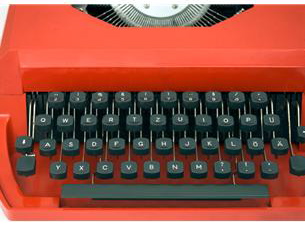
MH900444369As the story progresses and continues to unfold, often writers will detour from a preconceived plot or from their original outline. It may be because of an “aha” moment to refine or even redefine the plot, but this detour happens at times only because the writer begins to understand the protagonist better and is more comfortable with the character’s personality.

In a sense, the writer has finally become friends with the protagonist and the writer evolves into letting the character take charge and direct the action, simply because that’s what would be natural for the character if he or she were a real person in real life situations.

And that’s when the act of writing transitions from technique to an art form.

Thoughts? Comments? I’d love to hear them!

Posted in About James J. Murray, About Writing, Accuracy in Writing, All About Writing, Antagonist Development, Blog Writers, Blogging, Character Development Techniques, Characteristics of a Fictional Character, Developing a Writing Career, Developing Better Writing Skills, Developing Writing Skills, Fictional Character Development, Protagonist Development, Steps to Developing Great Fictional Characters, Story Development, The Art of Writing, Tools of Fiction Writing | Tagged , , , , , , , , , , , , , , , , , , , , , , , , , | 5 Comments

Hydrofluoric Acid – The Flesh Eater!

42-15570013Hydrofluoric acid is a colorless liquid that mixes readily in other fluids. It’s highly corrosive and is classified as an acute poison that immediately begins to degrade tissue on contact.

If you’re a fan of the Breaking Bad TV series, you might remember that this was the acid that Jess Pinkman used to dissolve a body in his bathtub, the tub that eventually was eroded by this acid and came crashing through the ceiling.

Ironically, when hydrofluoric acid comes into contact with skin, it initially causes painless burns. Several hours after exposure, however—even after washing the skin—deep, irreversible and painful damage can result and tissue death follows shortly after.

But the damage doesn’t stop at the skin’s surface. After contact, the acid interrupts the body’s calcium metabolism and causes systemic toxicity. As the body’s calcium balance is further disturbed, systemic calcium metabolism is halted. This can lead to cardiac arrest and death. And it doesn’t take much to create this cascading lethal effect. As little as 25 square inches (a 5”x5” area) of affected skin can lead to death.

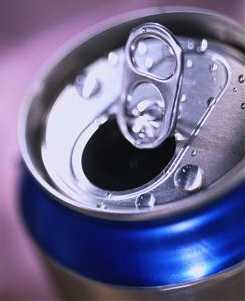
For example, a drink laden with hydrofluoric acid spilled on someone’s clothing could beMH900425314 considered accidental and easily forgotten. But, over a period of a few hours, the person’s skin would begin to dissolve, calcium metabolism would be interrupted and the person could die from a heart attack.

It’s easy to see how this acid could be an intriguing method of killing off a character in your novel and still not have it link back to the murderer since visible damage may not appear until hours after exposure.

As one might expect, the degree of tissue damage and the resulting lethal effects of this acid depend on the amount, the route, and length of time of exposure.

CB011723For instance, if this acid were added to someone’s eye drops or a nasal spray, the systemic damage would be accelerated due to the greater absorption rate of the acid into ocular tissue and mucous membranes.

If used as a nasal spray, lung tissue damage is assured. Lung tissue swelling and fluid accumulation could cause an irreversible pulmonary edema and the victim would essentially drown in his or her own fluids—thereby allowing a writer to create a rather dramatic murder scene.

And swallowing only a small amount of highly concentrated hydrofluoric acid will cause major organ damage and, more often than not, result in a painful death.

Furthermore, if the person suspects that he or she has been poisoned and vomiting is MH900040199induced, then the tissue damage is enhanced throughout the upper GI tract. This results in even greater absorption of the chemical into mucosal tissue and a more effective shutdown of systemic calcium metabolism. In short, the end result of induced vomiting is a more rapid advancement to cardiac arrest.

One of the reasons this poison would make such a great murder weapon is that hydrofluoric acid is readily available in auto parts stores. It’s one of the main ingredients in aluminum wheel cleaners.

I have not yet had the chance to use this interesting chemical as a death tool in a murder scene, but the possibilities are intriguing and as numerous as the routes of administration for this versatile poison.

Thoughts? Comments? I’d love to hear them!

Posted in About James J. Murray, About Writing, Acids and Tissue Damage, Acids and Tissue Death, Acids Used to Murder People, Acids with Systemic Toxicity, Acute Poisons, All About Murder, All About Writing, Blog Writers, Blogging, Breaking Bad Acids, Breaking Bad Poisons, Contact Poisons, Flesh Eating Acids, Hydrofluoric Acid, Hydrofluoric Acid and Murder, Ideas for Murder Scenes, Instruments of Death, Interesting Murder Weapons, Killing a Villain in a Novel, Murder Weapons, Murdering with Visine, Plotting Murder Scenes, Poisons Used to Murder, The Science of Murder | Tagged , , , , , , , , , , , , , , , , , , , , , , , , , , | 20 Comments

Medication Shortages Continue To Plague the US

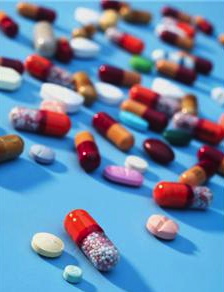
At one time or another, we may have gone to a doctor to receive help with a medicalMH900448643 condition. More often than not the medical issue has been resolved when the physician writes a prescription for some wonder drug.

You take that order to your local pharmacy, get the medication filled and administer it as prescribed. In due time, the medical issue either goes away or at least becomes manageable.

MB900409125But what would happen if you stopped at your local pharmacy and your pharmacist handed the prescription right back to you and said, “This drug is unavailable. There’s a severe shortage.” We, as patients, rarely give medication supply issues a thought. In our advanced medical system, the pharmaceuticals we require always seem available.

What if they weren’t? Pharmaceutical shortages in the United States are becoming a major medical issue. The number of new and long-term medication shortages has increased by almost 300% between 2007 and 2012, and the shortages are being viewed as a permanent part of the American medical system structure.

The drug categories most affected are those involved in treating severe medicalMH900308894 conditions. The most common shortages were for generic sterile injectable pharmaceuticals, particularly IV fluids and chemotherapy drugs.

Other formulas in dangerous short supply include the heart medication nitroglycerin and cisatracurium, a drug that is used to paralyze muscles during surgery and for patients on ventilators. Without these medications, such life-saving procedures would not be possible.

Erin Fox, the director of the University of Utah’s Drug Information Service and a contributor of data for this analysis, stated, “We are at a public health crisis when we don’t have the medicines to treat acutely ill patients…” In some cases, doctors have had to ration chemotherapy drugs in their clinics or have been forced to use less effective alternatives.

There are several contributing factors that create drug shortages: 1) There are only three manufacturers that produce 71% of this country’s sterile injectable cancer drugs and any production issues (like raw material delays or quality control issues) result in production delays that become more difficult to eventually overcome, 2) many of the factories that make generic sterile injectable medications are aging and this makes the production lines prone to quality control problems that result in either temporary manufacturing shutdowns or closings of entire factories, 3) pharmaceutical companies that manufacture these drugs have not expanded production adequately to account to the increased need of these specific life-saving drugs, and 4) changes in Medicare reimbursements and group purchasing organization’s negotiated rates have driven down prices that pharmaceutical makers receive for their products, making production of these medications less profitable.

MH900321056So, as a nation, what are we doing about this pharmaceutical shortage crisis? In 2012, the US Food and Drug Administration was given additional power to manage the shortages and the US Government Accountability Office was designated to evaluate the FDA’s response to this problem.

With this new law, drug manufacturers were then required to alert the FDA of potential shortages before they become critical so that the industry as a whole could react more effectively to increase production of a medication on the verge of being unavailable.

A recent Congressional hearing on this matter discovered that the number of new shortages actually declined in 2012 for the first time in several years. Additionally, it was shown that the 2013 data indicated similar downward trends in medication shortages.

Ultimately, the solution to this problem is to require that the various entities in the nation’s healthcare system be responsible for maintaining adequate pharmaceutical supplies, and the recent data analysis suggests that this is happening.

Thoughts? Comments? I’d love to hear them!

Posted in About James J. Murray, About Medications/Pharmacy, Blog Writers, Blogging, Cheap Generic Drugs, Chemotherapy Supply Shortage Issues, Drug Shortages in the US, FDA and Drug Supply Shortages, Generic Drug Safety, Generic Drugs, Generic Drugs in the US, IV Medication Supply Issues, Medication Safety Issues, Medication Shortages in the US, Pharmaceutical Shortages in the US, Pharmacy/Pharmaceuticals, Prescription Trends, Reasons for Medication Shortages in the US, Shortages in the US Drug Distribution Chain, The Pharmacy Profession | Tagged , , , , , , , , , , , , , , , , , | 8 Comments

When a Murder Is Not Really a Murder!

Yes, the title messes with my mind also. When someone dies at the hand of another, that’s 42-15655456labeled a murder. Sure, there are various degrees of murder—ranging from intentional to unintentional with legal terms such as 1st degree, 2nd degree, negligent homicide, etc—but what if the dead person walks out of the morgue?

Well, that’s just crazy. You’re either dead or you’re not, and dead people don’t just get up and walk away—or do they?

First, let me say that there is a difference between mostly dead and all dead. A near death experience (NDE) is considered mostly dead, but it’s reversible. A truly dead person does not come back, at least not in the real world. But what about a person who appears dead with all the diagnostic clues: no tendon, corneal or gag reflexes? They may be pronounced dead, but are they truly dead beyond a shadow of a doubt?

In my current work in progress, the premise is just that—the murdered person gets up theMH900241229 next morning and simply walks out of the morgue. Impossible, you say? Maybe, but there is science to explain such an event and there are pharmaceuticals to mimic death that could make such a thing possible.

The first such drug that can be administered to mimic death is called dimethyltryptamine (DMT). DMT is a psychedelic compound that produces intense hallucinations when administered. In the first few seconds after administration, the experience is said to be “mind-blowing” and then it progresses to a complete loss of all senses and the ability to move. People who have survived stated that they were certain that they were dead, yet felt comfortable and peaceful about it.

DMT is classified as a Schedule 1 narcotic in the United States and as such is an illegal, banned substance. The chemical is normally present, however, in minute quantities in the brains of all mammals and there are plant sources for this drug. DMT is a natural serotonin (a mood enhancer) and the science suggests that the drug can “clean” damaged brain cells.

A large dose of DMT can create a comatose state such that the user appears dead with virtually no signs of life. The drug can be inhaled, injected or ingested to produce such an effect. The appearance of death is short acting, but that can be prolonged with very specific dosing and further enhanced by concurrent use of certain antidepressant drugs.

MH900308894Baclofen is another drug that, in specific doses, can create a virtual coma to mimic death. Baclofen is a common prescription medicine that has a variety of uses. It’s mainly prescribed as a muscle relaxant specifically for spastic behavior, especially those involving spinal cord injuries. This drug is also involved in early stage research as a drug to treat alcoholism.

The drug is rapidly absorbed and is widely distributed throughout the body to produce muscle relaxation. In cases of overdose, patients have had no significant brain stem reflexes and were thought to be brain dead. In some cases, organ procurement was arranged by hospitals, the staff thinking the person was brain dead, when suddenly the patient began to have purposeful movements and the medical personnel realized their mistake.

Large doses of the baclofen will not only result in a coma, but the user will also experience hypothermia, bradycardia and hyporeflexia—in other words, the person will be cool to the touch, have no detectable pulse and no reflex activity as indicators of life. The dose must be specific and large enough to mimic death, yet the dose cannot be so large as to actually cause death to occur.

Other drugs can mimic death and the list is actually longer than one would think, but mostMH900321090 have the problem of being short acting and larger doses produce violent reactions like extreme nausea and vomiting. Because of these GI side effects, not enough drug remains in the body long enough to create the comatose state and the appearance of death.

However, a creative writer could use one or more of these drugs in combination to produce a unique death scene. Now it’s time to let your imagination take over and create the perfect murder scene. The question is, will your victim stay dead?

Thoughts? Comments? I’d love to hear them!

Posted in A Non-Murder Plot, About James J. Murray, About Medications/Pharmacy, About Writing, Administering Baclofen to Mimic Death, Administering DMT To Mimic Death, All About Murder, All About Writing, Baclofen, Baclofen for Near Death Experience, Baclofen Overdose, Blog Writers, Blogging, Bloodless Death Scene Writing, Bloodless Death Scenes, Botanical Murder Weapons, Defining Murder, Dimethyltryptamine, DMT Overdose, Drugs For Murder Plots, Drugs That Mimic Death, Drugs Used For Murder, Drugs Used for Near Death Experiences (NDE), Killing a Villain in a Novel, Murder is Defined, Murder Weapons, Murder With Drugs, Pharmacy/Pharmaceuticals, Plot Development, Plotting Murder Scenes, Tools of Murder, Walking Dead in Writing, Writing Death Scenes | Tagged , , , , , , , , , , , , , , , , , , , , , , , , , , , , , , , , , | 8 Comments

Am I Possessed or Just Becoming a Better Writer?

My guess is that the headline question has you thinking that I might be crazy instead. Well, that’s possible, but I’d like you to reserve judgment until you’ve read further.

Something happened a few days ago that has me thinking about the direction and evolution of my writing career.

MH900299691Let me start with the middle of last week and explain. I attend a writing critique class every Wednesday that consists of a group of 10-15 published and unpublished writers. The focus of the group is improvement of one’s writing ability and the format is that of a critique workshop—the attendees bring in up to a 10-page sample of their current work in progress. This may be in the form of a chapter from an evolving novel, a short story, an essay or even a poem.

This semester, as well as the last, my offering to the class has been short stories. Because of this class, I’ve published three rather good (according to the class) short stories in the last year.

This is how it works. You volunteer to bring in a portion of your work in progress every 2-3 weeks, provide copies to the group and then read aloud what you’ve brought while the class follows along and makes notes.

That’s when the fun begins! Each of the classmates gets about three minutes to say whatever they want about your work: from praise to complete teardown of the work—usually it’s a combination of both and the result is that they identify the strong points of my writing as well as the weak points that require more thought and probable rewrites. The opinions vary from grammatical changes to content shifting.

I’ve grown as a writer because of this class and I value every word that comes out of my fellow writers’ mouths whether it is good or bad. Each critique is honest and constructive and has to be taken as such.

Unfortunately, other parts of my life have been getting in the way of my writing lately and42-15622535 I’ve brought nothing to read for a bunch of weeks. So last week the class moderator looked at me and asked, “So do you have something you’d like us to look at?” My short answer was, “No.” The longer and more correct answer was, “Of course! I’ll have something ready for the next class.”

My intention was to create another short story (with a long range goal of having enough short stories to publish my own anthology of murder mystery shorts later this year).

So two days ago, I sat at my desk in my quiet writing alcove and stared at a blank computer screen for what seemed like hours—nothing burst forth from my mind, nothing went on the page—with no seed of a plot, no interesting or devious character came to mind, I thought of no interesting murder weapon to create a central theme and I couldn’t even generate an opening paragraph. (Sigh!!)

dreamstime_xs_2932007As I rested my chin on one clenched fist, I suddenly realized something that struck me as funny at first: what about a story of a murder that was actually not a murder?

The creative juices started to flow: Homicide detectives realize that a murder victim is not only alive but has walked out of the morgue overnight, literally freaking out the ME and the detectives the next morning when they find an empty gurney. But I didn’t envision a zombie story, nor did I want to write a near death experience story. The victim had to be a real person who comes back from the edge of death and mystifies science…there has to be a villain…there has to be a believable, scientific explanation for what happens.

So I finally had a plot for my short story—and about 3,000 words later I would have something great to read for the next class.

I did a character profile workup of two interesting homicide detectives, added a quirky ME, and slipped in a “normal” victim with an overprotective mother. So, I had characters and a workable plot—and about 3,000 words later I would have another short story, both for my critique group and for a future anthology.

I started writing, but the story kept evolving. I kept writing and the characters began to take on personalities of their own. I kept writing and the story got more involved. I kept writing until I had 2,887 words and a great beginning of a story, but I was at my ten-page limit for a class read.

Could I shorten it? Absolutely not! The facts were that I had a great opening line, a great opening paragraph and the beginning of an interesting story, but I had no middle and no ending. What I had was a good first chapter—but a first chapter of what?

The answer is, “I’m not sure at this point.” I really like the storyline and I like theMH900448290 direction it’s taking, but the characters keep telling me there’s so much more story to be told. It’s as if they’re whispering to me what to write next. For three hours yesterday afternoon, I was in another world with no perception of real time. The scenes and dialogue seemed to come from the characters themselves.

If I had to guess where the characters take me, I would say I’m nowhere near addressing the real conflict. I think this piece is going to end up as a novella and I should continue to let the characters dictate the arc of the story and the eventual conflict resolution—if there is even one out there.

I’ve named this work Almost Dead, and there’s specific science behind the pivotal event that precipitates the story arc. But I’m not going to talk about that part just yet. I’ll leave that bit of pharmacology for next week’s blog.

Thoughts? Comments? I’d love to hear them!

Posted in A Non-Murder Plot, About James J. Murray, About Medications/Pharmacy, About Writing, Achieving Perfection, All About Murder, All About Writing, Blog Writers, Blogging, Character development, Characteristics of Murder, Defining Murder, Developing a Writing Career, Developing Better Writing Skills, Developing Writing Skills, Drugs For Murder Plots, Growing As A Writer, Ideas for Murder Scenes, Instruments of Death, Interesting Murder Weapons, Mastering Your Craft, Murder Weapons, Murder With Drugs, Overcoming Writer's Block, Plot Development, Plotting Murder Scenes, Plotting Novellas, Plotting Short Stories, Protagonist Development, The Art of Writing, Ways To Kill, Writing Critique Groups, Writing Workshops | Tagged , , , , , , , , , , , , , , , , , , , , , , , , , , , , , , | 10 Comments

To Replicate or Not – That’s The Question!

What do the words MakerBot, Cupcake CNC, Thing-O-Matic and Replicator have in common?

MH900216680They all refer to some of the latest technology in 3D printing – a cutting edge technology to say the least. I’ve been a fierce Star Trek fan for a long time and I’ve always dreamed of the day when I could replicate my favorite meal (dessert included!) in a matter of seconds.

I realize we’re still light years away from that, but the reality of today is that many household items and devices are being duplicated with 3D printing technology that just a few years ago was an unattainable dream.

In some of the latest 3D printers on the market, a 3D scanner component can turn almost any object into a digital design and then produce a usable 3D copy of that item. The digitizer I’m referring to allows for someone to place an item on a turntable in which lasers scan the object, turn it into a digital entity and then immediately print a usable 3D copy.

There’s also now an option to edit the scan in however fashion the user imagines before the printing begins and thereby creating new, different, unique items. That fact alone makes my writer’s imagination “hum” with all sorts of deviant plot possibilities.

Additionally, scanned items can be put into the “Thingiverse”—a marketable collection of MH900390535scanned items that can then be downloaded (like shared clip art) onto your desktop 3D printer for creation of anything from art objects to everyday items such as eyeglass cases, wrenches, scissors or even ties.

We may still be a long way from creating a tasty, nutritional food item like the characters in the Star Trek series were able to do, but today’s technology can produce everyday items that are usable, sustainable and inexpensive—and even produce them from a digital memory rather than using an actual object as the model.

How inexpensive you ask? Although an average portable 3D replicator can cost around $2,200 and complicated models can run over $10,000, some desktop kits can be had for under $1,000.

About now, my “murder mystery imagination” is running wild with the possibilities of MH900341713such technology in the hands of an adversarial character. I can imagine all sorts of weapons being duplicated with materials that are not only effective in a kill but totally undetectable by current screening technology, especially since these items are duplicated with high quality thermoplastic polymers such as high density polyethylene (HDPE) and polyvinyl alcohol (PVA).

These polymers have amazing strength to density ratios and excellent adhesive qualities,MH900294987 allowing for duplication of a wide variety of items. Life-saving medical devices, such as 3D materials that resemble and function as human tissue, have been duplicated and used successfully. On the other hand, the production of precision weapons, including workable guns, has made this technology a source of controversy.

Such a variety of 3D printing applications can initiate arguments both for and against the legalities of this technology since it has the ability to both save, as well as take away, lives.

As a murder mystery writer, I welcome this technology into my world of make believe, but the sobering fact is that I’m a bit nervous about the widespread use of such duplicating equipment—particularly since it could be used maliciously, lethally and as a further means of property piracy.

Thought? Comments? I’d love to hear them!

Posted in 3D Gun Printing, 3D Imaging Technology, 3D Printing, 3D Replicators, 3D Scanner Technology, 3D Weapon Printing, About James J. Murray, About Writing, All About Murder, All About Writing, Cupcake CNC, Desktop 3D Printers for Weapons, Desktop Replicators, Digital 3D Printing, MakerBot Technology, Object Duplication, Thing-O-Matic, Thingiverse | Tagged , , , , , , , , , , , , , , , , , , , , , , , , , , , , , , , , , , , , | 3 Comments

GUNS – The New Pink Accessory

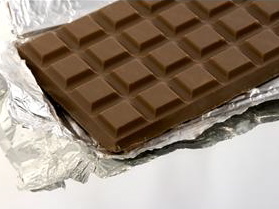
In my limited expertise of what women love (according to my wife, that is), there are many things that make a woman feel special: chocolate, the occasional bouquet of flowers MH900448355for no reason, chocolate, that special birthday card, chocolate, thoughtful jewelry, chocolate, a rub on the back, chocolate, a tender kiss for no reason…chocolate!

You might think chocolate was the big news here, but it’s not. It’s GUNS!

The NRA states that women represent the largest demographic increase in gun???????????????????????????????????????? ownership over the past three years. According to USA Today, gun retailers experienced a 61% increase in female shoppers between 2009 and 2010 alone. And the National Sporting Goods Association reports that female target shooters grew over 46% between 2001 and 2010. An October 2010 Gallup Poll identified that 23% of women owned a gun. Of the estimated 200 million guns in the United States, about 17 million belong to women.

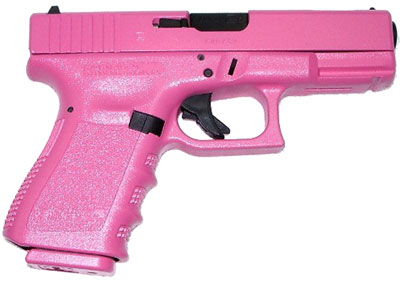
While those trends may be thought provoking, the increased feminine interest in weaponry has sparked another trend: If it shoots, it must be PINK!

Yes, pink is the latest fashion in weaponry. All 1203043415-duracoatpinkglock111107things lethal must also be available in pink. There are pink guns, pink ear protectors, pink shell pouches and (my favorite) the pink “Pistol Packing Princess” sticker for your car or home window. There are even purses with pistol holsters as the perfect accessory for that special night out.

Gun and gun accessory manufacturers are scrambling to make their products more appealing to the female market segment. Protection is the primary reason a lady owns a gun, but gray or black is no longer acceptable as a color choice.

Statistically, we own guns for protection against crime, target shooting and for hunting (in that order). More women than men claim to own a gun for crime protection, whereas it’s nearly equal for men and women owning a gun for target shooting. And more men report owning a gun for hunting than do women, but it’s only by an 18% margin.

I know women who carry pistols in their purses, but I’ve never seen a pink one. As a writer,MH900448464 my first thought was that I would use a pink gun as the usual accessory for one of my characters. I’m sure some of my friends who write crime novels are thinking the same thing.

Thoughts? Comments? I’d love to hear them!

Posted in About James J. Murray, About Writing, All About Murder, All About Writing, Blogging, Character Development Techniques, Guns and Women, Ideas for Murder Scenes, Pink Guns, Pink Guns and Women, Why Women Own Guns, Women and Gun Statistics | Tagged , , , , , , , , , , , , , , , , , , , , , , | 10 Comments

The Post-Antibiotic Era

In late 2013 the Centers for Disease Control released a report on the escalating lethalMH900442282 threat of antibiotic resistance—specifically, the increasing number of bacterial infections that are resistant to conventional antibiotic therapy.

The antibiotic resistance problem is complex and the medical community is increasingly concerned about the catastrophic potential of this issue.

In fact, the World Economic Forum, which surveys over 1,000 global experts each year regarding the top 50 global risks, has highlighted antibiotic resistant bacteria as one of the primary global risks facing the modern world.

During this winter season, respiratory infections are a particular concern. Awareness of early and appropriate treatment can make a difference between a minor inconvenience MH900427618and a serious, long-term sinus or bronchial infection.

Each year over two million people in the United States experience a drug-resistant bacterial infection, and at least 23,000 each year die as a result of untreatable infections.

In a recent press conference, CDC Director Tom Frieden, MD, MPH, described the present world as approaching “the post-antibiotic era”.

Civilization has already experienced a pre-antibiotic era and an antibiotic era.  A post-antibiotic era would be that time in which antibiotics are no longer effective as primary tools used to fight and cure infections.

At that point in time, multidrug-resistant (MDR) bacterial strains, also called “superbugs”, would run rampant and kill indiscriminately. A post-antibiotic era would look much like the world of the past (the pre-antibiotic era) when illnesses such as a common strep throat or scratched elbows could evolve into super infections that progressed to death, as these illnesses often did before antibiotic use became common practice.

The CDC has developed a multi-part solution to prevent such a dire medical future and is working with the medical community to implement these four important life-saving steps: infection prevention, tracking antibiotic resistance patterns, practicing antibiotic stewardship, and developing new antibiotics/diagnostic tests.

Infection Prevention: This is a primary practice to reduce antibiotic use. Remaining healthy, infection free and isolating ourselves away from those who are sick are important steps to limit our need for antibiotics. At no time is this more important than during the winter season.

Tracking Antibiotic Resistance Patterns: Antibiotic resistance, a problem previously seen only in hospitals and associated with critically ill patients, has extended to the outside world. Community-acquired bacterial infections have developed resistance to all different classes of antibiotics currently available.

Practicing Antibiotic Stewardship: The CDC estimates that half of antibiotic use is unnecessary. Antibiotics are only effective against bacterial infections. Colds and flu MH900185160illnesses are viral in origin. Unless a secondary bacterial infection is involved, an antibiotic drug is ineffective. Indiscriminate use of antibiotics for viral infections creates a perfect storm for bacterial resistance when the next bacterial infection occurs in a person.

The molecular mechanisms for drug resistance are complex and can simultaneously create resistance to several antibiotic classes at once, creating very dangerous multidrug-resistant bacterial strains, also known as “superbugs”, which I wrote about in previous blogs (here, here and here). Indiscriminate use of antibiotics in outpatient clinics, hospitals, and in the food industry makes up the leading factors for antibiotic drug resistance.

Developing New Antibiotics and Diagnostic Tests: Presently, there is an “Antibiotic Discovery Void”—new antibiotic research is minimal at this time. The pharmaceutical industry, academic institutions and the government—mostly because of economic factors—are not investing enough financial resources into the research necessary to produce the next generation of newer, safer, and more effective antibiotic drugs.

The potential lethal consequences of this lack of research put the world’s population at risk for the spread of serious MDR bacterial infections, resulting in unnecessary deaths from once easily cured infections.

MH900422879Hopefully, the world of the future will not involve routine self-isolation from others in order to prevent or survive a bacterial attack.

Thoughts? Comments? I’d love to hear them!
Posted in About James J. Murray, About Medications/Pharmacy, Antibiotic Discovery Void, Antibiotic Overuse, Antibiotic Resistance, Antibiotic Resistant Bacteria, Antibiotics in Agriculture, Attack of Bacteria, Blogging, CDC Plan to Prevent Superbugs, CRE, Drug Resistant Bacteria, Flesh Eating Bacteria, Ineffective Antibiotic Therapy, MDR Bacterial Strains, Misuse of Drugs, MRSA, Multi-Drug Resistant Bacteria, Pharmacy/Pharmaceuticals, Prescription Trends, Superbug Epidemic, Superbugs, The Post Antibiotic Era, The Top Global Risk of 2013 | Tagged , , , , , , , , , , , , , , , , , , , , , , , , , , , | 4 Comments

Murder At 30,000 Feet!

Modern pharmaceuticals are excellent alternatives to more invasive procedures when aMH900400871 medical cure is required. And these medications not only prolong life but also enhance it in the process.

Ironically, those same wonder drugs can become instruments of death when their mechanisms of action are used in an ill-intended fashion. An example of such a sinister effect includes the misuse of the entire class of coagulant drugs.

Coagulant drugs are those that cause blood to clot, essentially preventing excessive MH900308894bleeding. These drugs specifically effect the coagulation of blood when bleeding is uncontrolled to prevent further blood loss. The cause could be a sudden trauma, such as an accident; or it could be from a bleeding disorder, such as hemophilia.

Whatever the cause of the excessive bleeding, the ominous blood loss is stopped and normal clotting initiates as a result of three general types of drugs: Blood products (such as clotting factors), injectable Vitamin K or a number of antifibrinolytic drugs.

Each of these drugs helps regulate blood coagulation and saves lives in the process.42-16083573 But, when there is no essential need, the use of these drugs causes excessive coagulation of blood and creates life-threatening blood clots that circulate within the body’s blood vessels searching for tissue to destroy.

An artificially created blood clot could be fatal if it lodged in the heart, lungs or the brain, creating either a heart attack, a pulmonary embolism or a strokeany of which could be deadly if the clot were large enough to cut off blood flow to a vital organ.

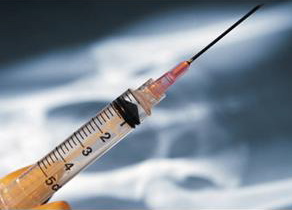
So, where is that murder aspect I spoke about initially—the sinister part? Well, it’s really very simple. Coagulant drugs are readily available in any hospital pharmacy, from certain pharmaceutical manufacturers and from many drug wholesalers. Misdirect a vial of one of these life-saving medications and inject a healthy dose into a normal individual with no bleeding issues, and you have a perfect murder scene.

About now, you should be questioning if the injection would leave trace evidence. Well, Vitamin K and certain blood-clotting factors would be the least likely since they’re already present in a normal person’s chemistry, but admittedly the levels would be elevated. Therefore, you’d have to use some imagination to create a much more believable scene, something with a blood clot as a possible outcome.

Many studies indicate that high altitudes and remaining sedentary for long periods of time—such as travel on an international flight, for example—can create the perfect storm for a deep vein thrombosis—a blood clot, commonly referred to as a DVT. It happens more often than one would think on long flights. In fact, it happens so much more than one would imagine that each seat pocket has instructions for stretching and exercising the legs during a long flight to prevent DVTs.

So if you need to kill off one of your characters in an unusual manner, have your victim MH900442499take a long international flight. An accidental bump into the shoulder of the victim by an attacker and a quick injection of a lethal dose of Vitamin K would insure a very painful and deadly outcome for your victim by the time the plane could land.

Thoughts? Comments? I’d love to hear them!

Posted in 000 Feet, About James J. Murray, About Medications/Pharmacy, About Writing, Airplane Murders, All About Murder, Coagulant Drugs and Murder, Misuse of Blood Coagulation Drugs, Misuse of Drugs, Murder With Drugs, Plotting Murder Scenes | Tagged , , , , , , , , , , , , , , , , , , , , , , , , , , , , , , , | 2 Comments